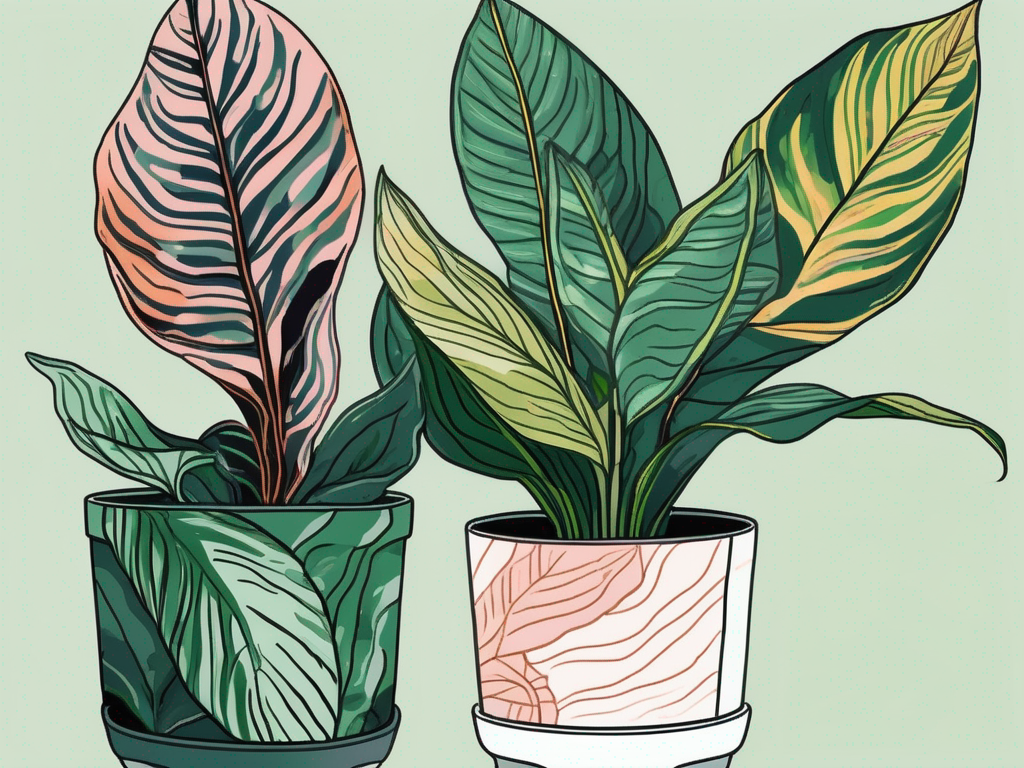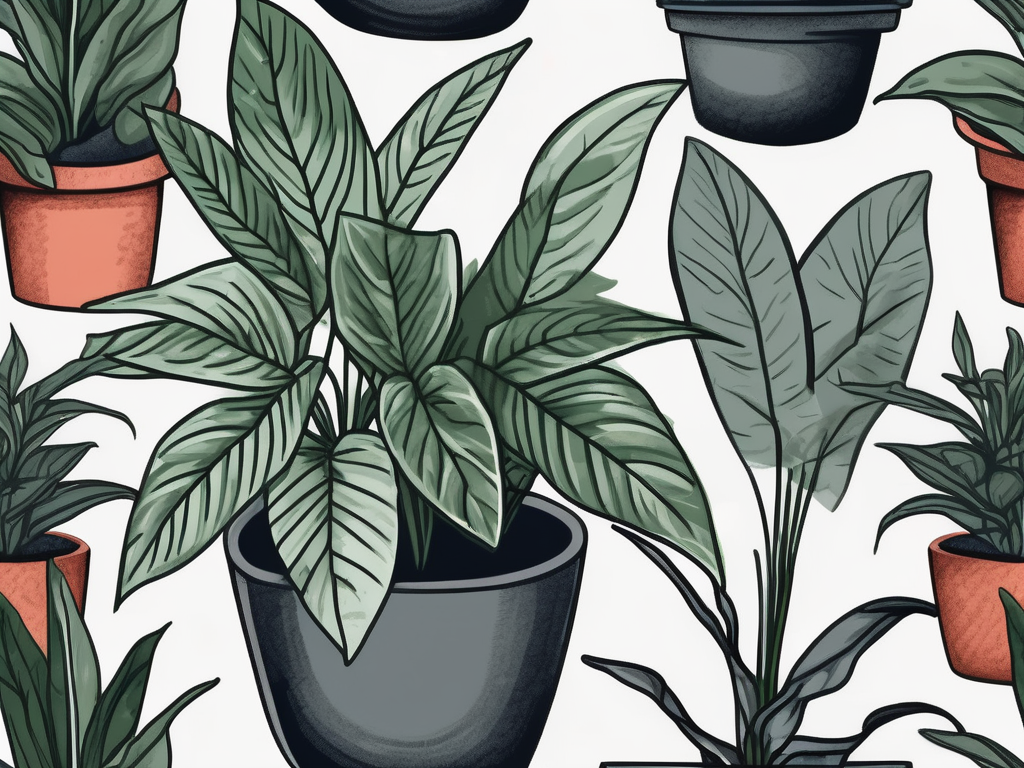
ZZ plants are a favorite among plant lovers for their striking appearance and resilience. But if you've noticed your ZZ plant's leaves curling, it can be a bit alarming. What could be causing this? And more importantly, how can you fix it?
In this article, we'll talk about the various reasons why ZZ plant leaves might curl. From watering habits to environmental factors, we'll cover it all. Whether you're a seasoned plant parent or just starting out, you'll find valuable insights to help your ZZ plant thrive.
Understanding ZZ Plants
Before we dive into the causes of leaf curling, let's take a moment to appreciate what makes the ZZ plant so special. Native to Eastern Africa, the ZZ plant, or Zamioculcas zamiifolia, is known for its glossy, dark green leaves and its ability to survive in low-light conditions. This plant is a popular choice for homes and offices because it's low-maintenance and forgiving, even if you occasionally forget to water it.
ZZ plants store water in their rhizomes, which means they can go for weeks without needing a drink. This characteristic makes them quite drought-tolerant. However, despite their hardiness, they can still experience issues like leaf curling if their basic needs aren't met.
It's essential to understand that while ZZ plants are forgiving, they also have specific preferences. Their resilience doesn't mean they're immune to stress. So, when you notice curling leaves, it's a sign that something in their environment isn't quite right.
Overwatering: The Usual Suspect
One of the most common reasons for leaf curling in ZZ plants is overwatering. ZZ plants are drought-tolerant and prefer their soil to dry out between waterings. Overwatering can lead to waterlogged soil, which suffocates the roots and leads to root rot. This, in turn, can cause the leaves to curl as the plant struggles to survive.
To avoid overwatering, it's crucial to let the top inch or two of the soil dry out completely before watering again. A good rule of thumb is to water your ZZ plant once every two to three weeks, depending on the humidity and temperature of your environment. Always check the soil moisture level with your finger or a moisture meter before watering.
Another tip is to ensure your pot has drainage holes. This allows excess water to escape, preventing water from pooling at the bottom. If you suspect overwatering is the issue, you might want to repot your plant in fresh, well-draining soil to give it a fresh start.
Underwatering: The Other Side of the Coin
While overwatering is a frequent issue, underwatering can also cause ZZ plant leaves to curl. If the plant doesn't receive enough water, its leaves may curl as a way to conserve moisture. This is the plant's defense mechanism to reduce water loss through transpiration.
If you notice the leaves are curling and the soil is bone dry, it's time to give your ZZ plant a good drink. Water it thoroughly until you see water draining from the bottom of the pot. After watering, make sure to empty the saucer under the pot so the plant isn't sitting in water.
Consistency is key when it comes to watering. Find a routine that works for you and stick to it. Remember, it’s better to underwater than to overwater, given the ZZ plant's ability to store water in its rhizomes.
Lighting Conditions: Too Much or Too Little?
ZZ plants are known for their ability to thrive in low-light conditions. However, this doesn't mean they don't enjoy some indirect sunlight. In fact, too little light can lead to leggy growth and curling leaves as the plant stretches towards the light source.
On the flip side, too much direct sunlight can scorch the leaves, causing them to curl and even turn yellow or brown. Finding the right balance is crucial. Ideally, place your ZZ plant in a spot where it receives bright, indirect light. A north-facing window or a few feet away from a south or west-facing window usually works well.
If you're dealing with low-light conditions, consider using a grow light to supplement natural light. This can help provide the energy your ZZ plant needs to flourish without the risk of sunburn.
Temperature and Humidity: Keeping It Just Right
ZZ plants prefer temperatures between 65-75°F (18-24°C) and moderate humidity levels. Extreme temperatures and humidity fluctuations can stress the plant, leading to leaf curling.
In winter, keep your ZZ plant away from cold drafts and heaters, as these can dry out the air and the soil too quickly. Similarly, during summer, avoid placing the plant in areas with intense heat or direct air conditioning.
If you live in a very dry climate, increasing humidity can help. Consider using a room humidifier or placing a tray of water near the plant to add some moisture to the air. Just be cautious of overdoing it, as too much humidity can also encourage fungal issues.
Soil Conditions: Getting the Mix Right
A well-draining soil mix is a must for ZZ plants. If the soil retains too much moisture, it can lead to root rot, which, as we discussed, can cause leaf curling. On the other hand, soil that's too sandy or dry can cause the plant to become dehydrated, leading to the same issue.
For the best results, use a potting mix that includes components like perlite or pumice, which promote drainage. You can also add some orchid bark to improve aeration. A cactus or succulent mix often works well for ZZ plants, as it provides the right balance of nutrients and drainage.
When repotting, make sure to use a pot that's appropriate for the size of your plant. A pot that's too large can retain excess moisture, while a pot that's too small can restrict root growth.
Pest Problems: Tiny Invaders
Although ZZ plants are generally pest-resistant, they can occasionally fall victim to insects like aphids, spider mites, or mealybugs. These pests can cause damage to the leaves, leading to curling as the plant tries to protect itself.
Regularly inspect your plant for any signs of pests. Look for sticky residue, webbing, or small insects on the leaves and stems. If you notice any, treat the plant with insecticidal soap or neem oil, which are effective and safe options for indoor plants.
Additionally, keeping your plant clean by wiping down the leaves with a damp cloth can help prevent infestations. This not only keeps the plant looking good but also allows you to spot any issues early on.
Nutrient Deficiencies: Feeding Your ZZ Plant
ZZ plants don't require a lot of fertilization, but they do benefit from occasional feeding during the growing season. A lack of essential nutrients can cause the leaves to curl and lose their vibrant color.
Use a balanced, water-soluble fertilizer once every two months during spring and summer. Be cautious not to over-fertilize, as too many nutrients can burn the roots and cause more harm than good.
If you're unsure about the nutrient levels in your soil, consider getting a soil test done. This can provide insights into what your plant might be lacking and help you adjust your fertilization routine accordingly.
Final Thoughts
To wrap up, if your ZZ plant's leaves are curling, consider the possibilities of overwatering, underwatering, lighting issues, temperature changes, or even pest invasions. Each factor plays a significant role in the health of your plant.
At Cafe Planta, we're passionate about supporting you on your plant journey. Whether you're looking for a new plant, accessories, or have questions, feel free to email us or connect with us on Instagram. We're here to help you create a space where you and your plants can thrive together.