Seeing brown spots on your beloved houseplant can be as alarming as finding a mysterious stain on your favorite shirt. What happened, and how can you fix it? If your leafy friends are sporting some unexpected brown speckles, don't panic. You're not alone, and there are ways to set things right.
This article walks you through the common reasons your plant might be developing brown spots and what you can do about it. From watering woes to pest problems, we'll uncover the usual suspects and offer some practical solutions to bring your plant back to its vibrant self.
Watering Issues: Too Much or Too Little?
Watering is both an art and a science in plant care. Too little water can make your plant look like it's wilting away, while too much can drown it. Brown spots might be the plant's way of waving a little white flag, asking for help. So, how do you know if water is the culprit?
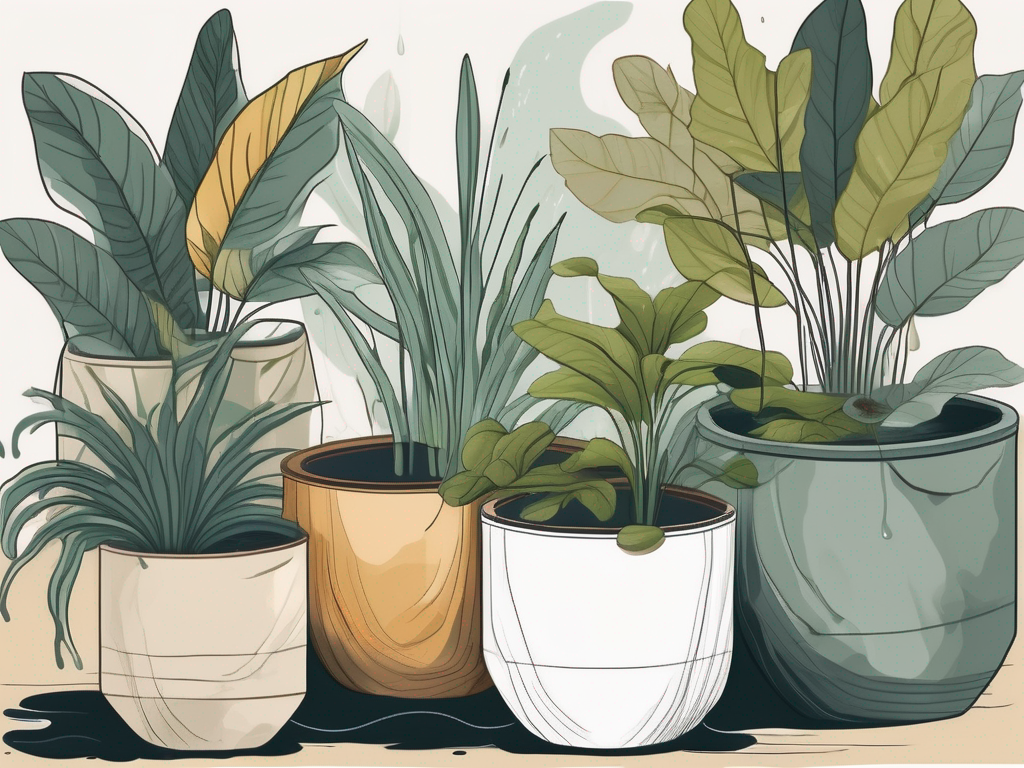
First, let's talk about overwatering. If your plant's roots are constantly sitting in water, they're not getting enough oxygen, leading to root rot. This can cause brown spots on leaves as the plant struggles to transport nutrients from its compromised roots. It's a bit like trying to run a marathon while wearing weights.
To check if overwatering is the issue, gently remove your plant from its pot and take a look at the roots. Are they mushy and brown? If so, you've got a case of overwatering. The solution? Repot your plant in fresh soil, cut away the damaged roots, and water only when the top inch of soil is dry.
On the flip side, underwatering can also lead to brown spots. Without enough water, your plant can't sustain its leaves, and they begin to brown and crisp at the edges. This is especially common in plants that prefer consistently moist soil, like ferns or peace lilies. If the soil feels dry several inches down, it's time to give your plant a good drink.
Sunlight Sensitivity: Too Much Brightness?
Just like us, plants have their preferences when it comes to sunbathing. Some love to bask in bright light, while others prefer a shady retreat. Brown spots can be a sign of sunburn, especially if your plant has been moved to a sunnier spot than it's accustomed to.
If your plant is showing signs of sunburn, you'll notice the brown spots are often on the leaves that get the most sun exposure. The fix here is simple: move your plant to a spot with indirect sunlight. You can also use sheer curtains to diffuse the light if moving the plant isn't an option.
For plants that thrive in bright light, make sure they're gradually introduced to their new sunny spot. Just like we wouldn't sunbathe for hours on our first day at the beach, plants need time to adjust to brighter conditions.
Nutrient Deficiencies: Missing the Good Stuff?
Plants need a balanced diet to stay healthy, just like we do. If they're missing essential nutrients, they might develop brown spots as a cry for help. Each nutrient plays a different role, and deficiencies can manifest in various ways.
For instance, a lack of potassium can cause the edges of leaves to turn brown and crispy. Iron deficiency, on the other hand, might lead to yellowing with small brown spots forming later. To diagnose nutrient issues, consider using a general-purpose fertilizer to cover all bases or get a soil test for more specific information.
When feeding your plant, it's important to follow the recommended guidelines. Over-fertilization can be just as harmful as under-fertilization, leading to nutrient burn, which also causes brown spots. Think of it as giving your plant too much chocolate—tempting, but not a good idea.
Pests and Diseases: Unwanted Visitors
Brown spots can sometimes indicate that your plant has become a buffet for pests or is battling a disease. Common pests like spider mites, aphids, or thrips can leave brown or yellow stippling on leaves as they feed on the plant's sap.
To check for pests, examine the undersides of leaves and stems closely. You might see tiny dots or a fine webbing. A magnifying glass can be helpful here. If you find pests, treat your plant with insecticidal soap or neem oil, following the instructions carefully.
Fungal diseases, such as leaf spot or blight, can also cause brown spots. These often appear as circular lesions with a darker border. To manage fungal issues, ensure good air circulation around your plants, water at the base rather than the leaves, and remove affected foliage promptly.
Humidity Levels: Too Dry for Comfort?
Some plants are native to tropical environments and crave humidity. If your home is on the drier side, especially in winter when the heat is on, your plant might develop brown edges or spots due to low humidity.
To remedy this, consider misting your plant regularly, using a humidifier, or placing a tray of water with pebbles near the plant. Grouping plants together can also help create a micro-environment with higher humidity. Remember, though, that not all plants love humidity, so it's important to know your plant's preferences.
Soil and Potting Mix: Getting the Right Balance
The soil your plant lives in is its foundation, and if it's not right, your plant will let you know. Brown spots can arise if the soil is too compacted, poorly draining, or lacking in organic matter.
Consider repotting your plant if the soil seems off. Choose a potting mix that suits your plant's needs. For example, succulents and cacti prefer a gritty, well-draining mix, while tropical plants often enjoy something more moisture-retentive. Make sure your pot has proper drainage holes to prevent water from pooling at the bottom.
When repotting, it's also a good time to check the plant's root system. If the roots are tightly bound or circling the pot, gently loosen them and consider moving up to a larger pot to give them room to spread.
Temperature Fluctuations: Keeping It Cozy
Plants are sensitive to temperature changes, much like we are when someone decides to crank up the AC unexpectedly. Drastic shifts in temperature can cause stress, leading to brown spots on leaves.
Keep your plants away from drafts, heaters, and air conditioning units. Aim for a stable temperature that's comfortable for both you and your plants. Most houseplants thrive in temperatures between 65°F and 75°F, but it's always best to research your specific plant's ideal range.
If you live in a climate with cold winters or hot summers, consider moving your plants to more temperate areas of your home during these seasons. Consistency is key here, as plants prefer gradual changes over sudden shifts.
Chemical Sensitivity: Avoiding Harsh Solutions
Sometimes, brown spots can appear if your plant is sensitive to chemicals. This can happen if you've used a cleaning product near your plants or if your water contains high levels of chlorine or fluoride.
To minimize chemical exposure, consider using distilled or rainwater for your plants. If tap water is your only option, let it sit out overnight so chemicals can dissipate before watering. Additionally, be cautious when using household cleaners near your plants, and opt for natural alternatives when possible.
If you suspect chemical sensitivity, rinse your plant's leaves with lukewarm water to remove any residue and monitor for improvement.
Final Thoughts
Brown spots on your plants are often a sign that something's amiss, but the good news is, with a bit of detective work and some TLC, most issues can be resolved. Whether it's adjusting your watering routine, tweaking the light exposure, or tackling pests, you now have a toolkit of solutions to help your plants thrive.
At Cafe Planta, we love helping plant parents like you keep your leafy companions happy and healthy. We offer a wide variety of houseplants, care accessories, and even plant-themed apparel for fellow plant lovers. If you have questions or need advice, feel free to email us or reach out on Instagram. We believe in the power of plants to bring joy and connection to our lives, and we're here to support you on your plant journey.