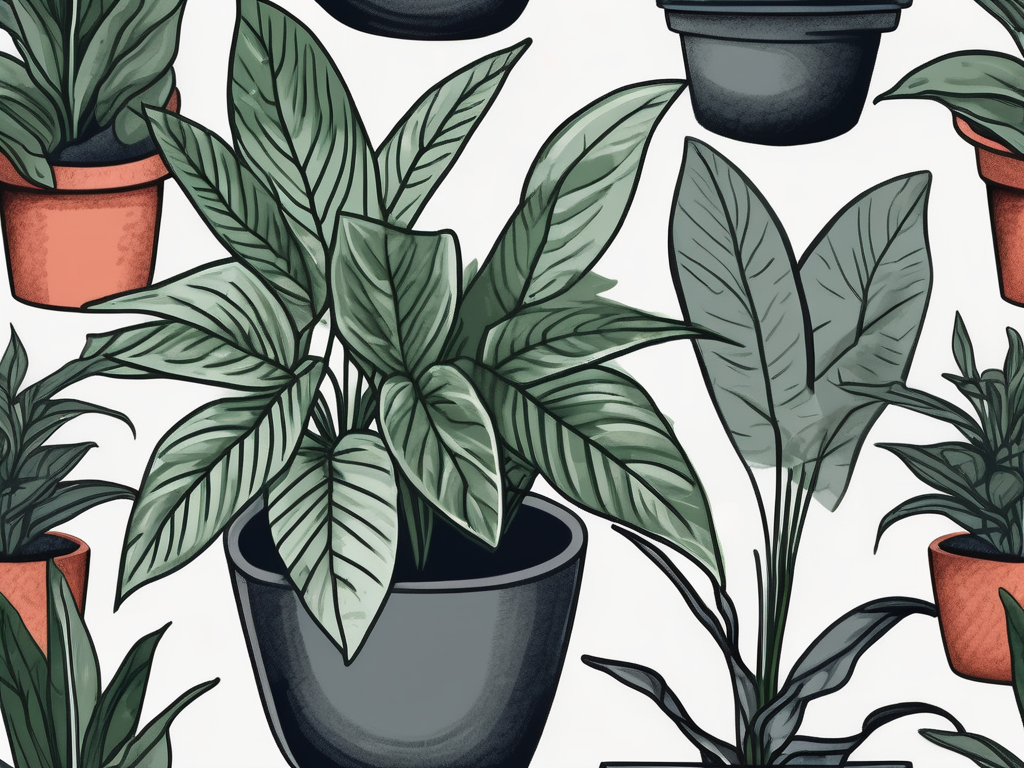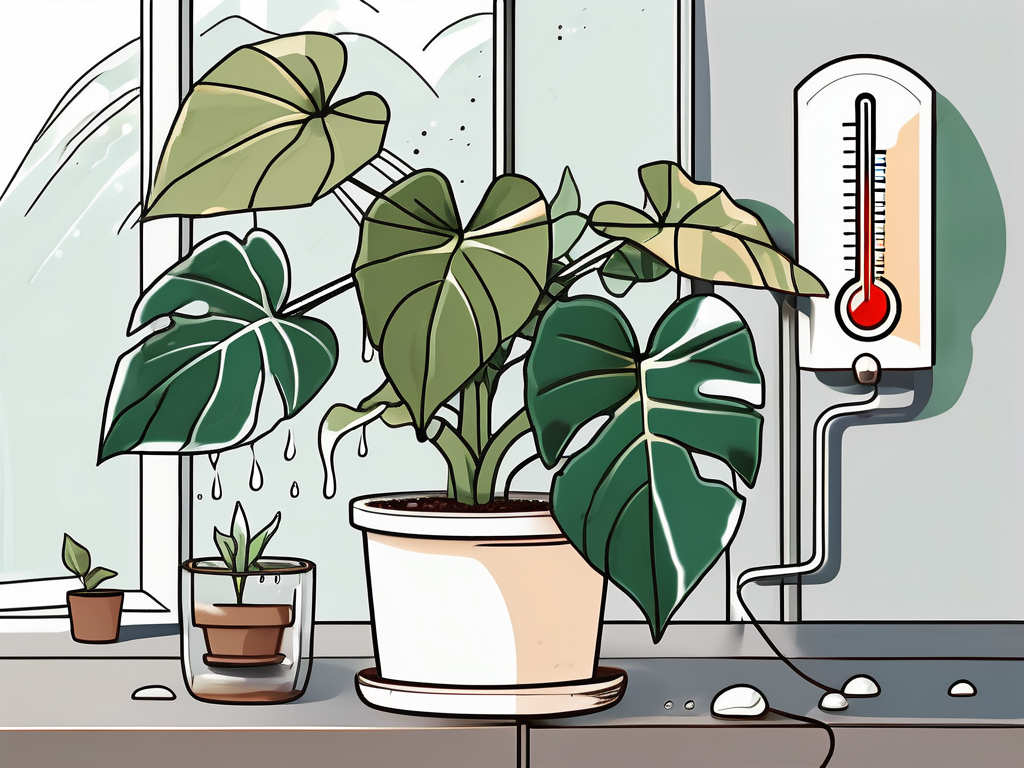
Ever walked by your Heartleaf Philodendron and noticed it looking a bit droopy? You're not alone. These popular houseplants are usually quite forgiving, but when they start to wilt, it can be a bit of a head-scratcher for any plant lover.
In this article, we'll explore why your Heartleaf Philodendron might be wilting and how you can bring it back to its former glory. From watering habits to light conditions, let's get into the nitty-gritty of keeping your green friend happy and healthy.
Understanding Wilting: What Does It Mean?
Wilting is the plant's way of signaling distress. While it’s tempting to panic at the first sign of droopiness, it’s crucial to understand what’s really happening. Typically, wilting occurs when a plant loses more water than it can absorb. But why is your Philodendron struggling with this balance?
Before jumping to conclusions, consider the context. Did you just move your plant? Has the weather changed recently? These factors can temporarily affect your plant's appearance. However, if wilting persists, it’s time to investigate further.
Think of wilting as a cry for help. Your plant is trying to tell you something, and it’s up to you to listen carefully. The good news? Most causes are fixable with a few simple adjustments. So, let’s dive into what might be causing your Heartleaf Philodendron to wilt.
Watering Woes: Too Much or Too Little?
One of the most common reasons for wilting is improper watering. Both overwatering and underwatering can lead to a droopy plant. But how can you tell which one is the culprit?
If you're overwatering, the roots might be drowning. The soil will feel soggy, and the leaves may turn yellow before wilting. This happens because the roots can't get enough oxygen in waterlogged soil. On the other hand, if your plant is underwatered, the soil will be dry, and the leaves might curl before they droop. In this case, the plant isn’t getting enough water to sustain its leaves.
- Check the soil moisture: Stick your finger about an inch into the soil. If it feels dry, it's time for a drink. If it's wet, hold off on watering.
- Use the right pot: Ensure your pot has drainage holes. This helps prevent water from sitting at the bottom and causing root rot.
Balancing your watering routine might take some trial and error, but your plant will thank you for it. Remember, a consistent schedule is often more important than how much water you give at one time.
Light Levels: Finding the Sweet Spot
Your Heartleaf Philodendron’s lighting needs can also play a role in wilting. These plants thrive in bright, indirect light but can tolerate low light conditions. However, too much direct sunlight can scorch the leaves, leading to wilting.
Imagine lounging on a sunny beach without sunscreen—ouch, right? Your plant feels the same way under harsh direct sunlight. Conversely, too little light can cause it to stretch toward the source, resulting in weaker stems and droopy leaves.
- Find a bright spot: A north or east-facing window is ideal. If your only option is a south or west-facing window, use sheer curtains to filter the harsh rays.
- Rotate regularly: Give each side of your plant equal exposure to light by rotating it every few weeks.
Remember, your plant is like a solar panel—it needs light to convert into energy. Finding the right balance will help it stay vibrant and perky.
Temperature and Humidity: Keeping It Cozy
Temperature and humidity can significantly affect your plant's health. Heartleaf Philodendrons prefer a cozy environment, much like the tropical rainforests they originate from. If the air is too dry or the temperature fluctuates too much, your plant might start to wilt.
Imagine going from a sauna to an igloo; it’s not comfortable for anyone, including your plant. These changes can stress your Philodendron, leading to droopy leaves.
- Maintain stable temperatures: Keep your plant away from drafts, heating vents, and air conditioners.
- Boost humidity: Use a pebble tray or a humidifier to increase moisture in the air, especially during the winter months.
Your plant will thrive in temperatures between 65-85°F (18-29°C). Keeping these conditions stable will help it bounce back from wilting.
Soil and Potting: The Right Foundation
The soil your Philodendron sits in can make all the difference. These plants prefer well-draining soil to prevent root rot, which can lead to wilting.
If your plant’s roots are sitting in compacted or nutrient-poor soil, it might struggle to absorb water and nutrients, leading to droopy leaves. Think of it as wearing shoes that are too tight—uncomfortable and restrictive.
- Choose a suitable potting mix: A mix that includes peat, perlite, or orchid bark is ideal for good drainage.
- Repot when necessary: If the roots are growing through the drainage holes, it's time for a bigger pot.
Giving your plant the right foundation will support its growth and help it recover from wilting.
Pests and Diseases: Unwelcome Guests
Sometimes wilting can be a sign of pests or diseases. Common culprits include spider mites, aphids, and root rot. These issues can sap your plant’s strength and cause wilting if not addressed promptly.
Think of pests as tiny thieves sneaking into your home. They might be small, but they can cause a lot of damage if left unchecked.
- Inspect regularly: Check the undersides of leaves and the soil for signs of pests.
- Treat with natural solutions: Use neem oil or insecticidal soap to keep pests at bay.
If you suspect root rot, it’s crucial to act fast. Remove the plant from its pot, trim away any mushy roots, and repot in fresh soil.
Nutrient Needs: Feeding Your Philodendron
While Heartleaf Philodendrons aren’t heavy feeders, they do appreciate a little nourishment now and then. A lack of nutrients can lead to weak growth and wilting.
Imagine trying to run a marathon on an empty stomach—it’s not easy, and your plant feels the same way without proper nutrients.
- Use a balanced fertilizer: A general-purpose houseplant fertilizer every 4-6 weeks during the growing season can do wonders.
- Avoid over-fertilizing: Too much fertilizer can burn the roots and cause more harm than good.
Feeding your plant the right nutrients will help it grow strong and resilient, reducing the risk of wilting.
Stress and Shock: Sudden Changes
Just like how sudden changes in our environment can stress us out, your plant can feel stressed too. Moving it to a new location, repotting, or even a drastic temperature change can cause shock, leading to wilting.
Think of it as suddenly switching to a new job or moving to a new city. It takes time to adjust, and your plant needs that grace period too.
- Minimize changes: Try to keep your plant’s environment as consistent as possible.
- Give it time: If you’ve recently repotted or moved your plant, it may just need a little time to adjust.
Patience is key. Often, your plant will bounce back once it settles into its new environment.
Monitoring and Maintenance: Keeping an Eye Out
Finally, regular monitoring and maintenance are essential for preventing wilting and keeping your Heartleaf Philodendron in top shape. Regular check-ups can catch potential issues before they become big problems.
Think of it as taking your car in for routine maintenance. It’s much easier to address minor issues before they turn into costly repairs.
- Check in weekly: Look for signs of pests, discolored leaves, or changes in soil moisture.
- Prune as needed: Remove any yellow or dead leaves to direct energy to healthy growth.
Keeping a close eye on your plant will help you catch any issues early and keep your Philodendron thriving.
Final Thoughts
We've covered quite a bit about why your Heartleaf Philodendron might be wilting and how to address it. From adjusting your watering habits to finding the right spot in your home, a little attention can go a long way in reviving your plant.
At Cafe Planta, we believe that plants bring joy and beauty into our lives. If you have questions about plant care, feel free to email us or reach out on Instagram. We're here to help you grow a thriving plant collection and connect with nature in your home.