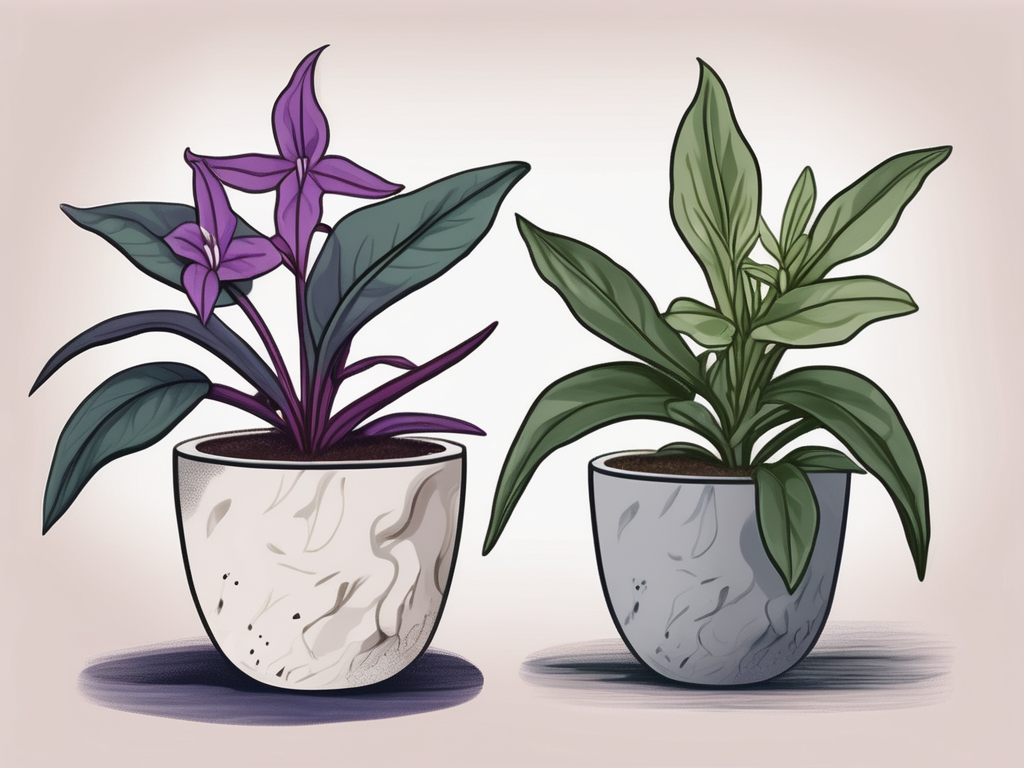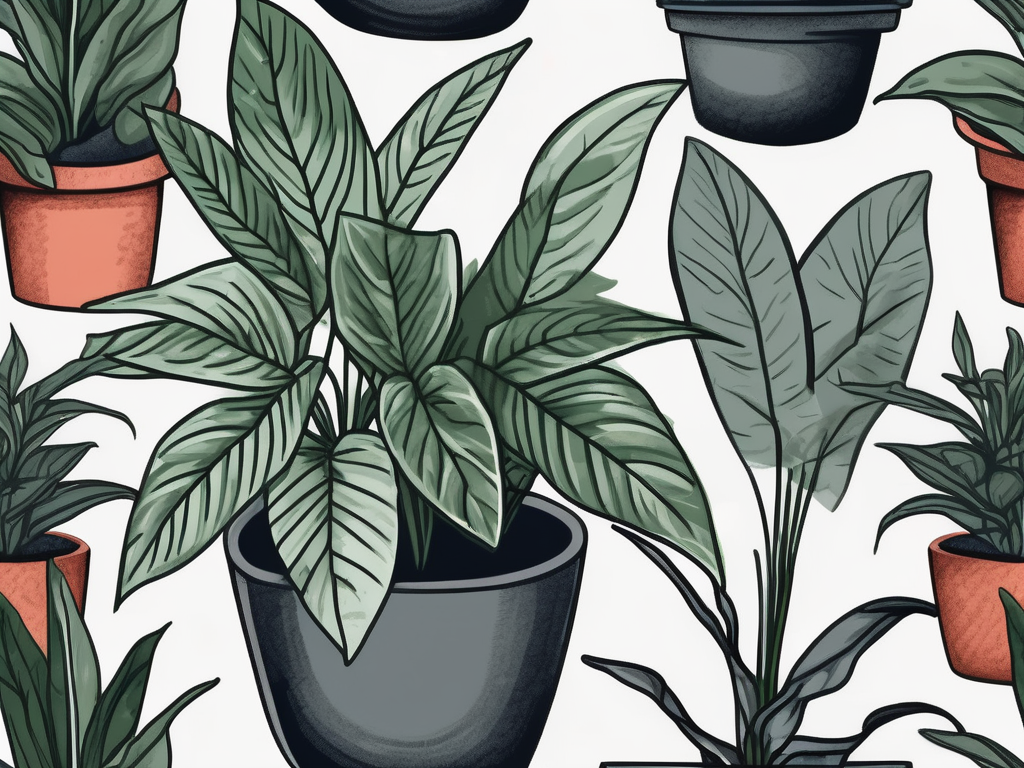
Having a Hoya Linearis that's not thriving can be quite distressing, especially since these unique plants are often cherished for their cascading greenery and delicate appearance. It's like when your favorite sweater starts to unravel—unexpected and unwelcome. But don't worry, figuring out what's going wrong with your plant doesn't have to be a guessing game.
In this article, we'll journey through the common reasons your Hoya Linearis might be struggling and offer some practical advice to breathe life back into your beloved plant. From watering mishaps to lighting dilemmas, we'll cover everything to get your plant back in shape.
Watering Woes: Finding the Right Balance
One of the most common culprits behind a dying Hoya Linearis is improper watering. It's easy to under or over-water your plant, but finding the sweet spot is crucial. These plants are native to the Himalayas, so they're used to a specific environment. Too much water can lead to root rot, while too little can cause dehydration.
Signs of Overwatering
If your Hoya Linearis is looking a tad droopy or the leaves are turning yellow, you might be overwatering. Look for signs like:
- Yellowing leaves
- Wilting even when the soil is damp
- Mushy roots or a foul smell from the soil
Signs of Underwatering
On the flip side, underwatering can make your plant look crispy and drained. Watch out for:
- Dry, brittle leaves
- Leaf drop
- Soil pulling away from the pot edges
For the best results, water your Hoya Linearis when the top inch of the soil feels dry to the touch. Use well-draining soil to prevent water from sitting at the roots and ensure your pot has drainage holes.
Lighting Issues: Giving Your Hoya the Right Glow
Light can be a tricky factor for many plant parents. Hoya Linearis prefers bright, indirect light, mimicking the dappled sunlight it would naturally receive in its native habitat. Too much direct sunlight can scorch the leaves, while too little light can stunt its growth.
Signs of Too Much Light
When your plant gets too much sun, it might display:
- Scorched or sunburned leaves
- Faded or bleached appearance
Signs of Insufficient Light
If your Hoya Linearis isn't getting enough light, you'll notice:
- Slower growth
- Pale or small leaves
- Leggy or stretched stems
Position your plant near a window that gets plenty of light but not direct sun, like a north or east-facing window. If natural light is limited, consider supplementing with a grow light.
Temperature and Humidity: Mimicking Natural Conditions
Your Hoya Linearis would probably write you a thank-you note if it could, for providing the right temperature and humidity. These plants thrive in moderate to warm temperatures, ideally between 60-80°F (15-27°C), and they love a bit of humidity.
Temperature Fluctuations
Sudden changes in temperature can stress your plant. Keep it away from drafty windows, heating vents, or air conditioning units. Consistency is key!
Humidity Needs
Hoya Linearis enjoys humidity levels of around 40-60%. If your home is on the drier side, especially in winter, consider:
- Using a humidifier nearby
- Placing the plant on a pebble tray with water
- Misting the plant occasionally
Pest Problems: Keeping Unwanted Guests at Bay
Even the best plant parents encounter pests from time to time. Hoya Linearis can play host to a variety of pests, including spider mites, mealybugs, and aphids. Recognizing the signs early can save your plant from further damage.
Common Pests and Symptoms
- Spider Mites: Look for tiny webbing on the undersides of leaves.
- Mealybugs: These appear as white, cottony masses on leaves and stems.
- Aphids: Small, sap-sucking insects that can cause curling leaves.
Dealing with Pests
If pests are spotted, act promptly:
- Isolate the plant to prevent spreading.
- Use a gentle insecticidal soap or neem oil spray.
- Wipe leaves with a damp cloth to remove pests manually.
Regularly inspecting your plant can help catch pests before they become a major issue.
Nutrient Deficiencies: Feeding Your Hoya Right
Just like us, plants need a balanced diet to stay healthy. If your Hoya Linearis isn't getting the nutrients it needs, it could start showing signs of distress.
Common Nutrient Deficiency Symptoms
- Yellowing of older leaves (Nitrogen deficiency)
- Poor growth or pale new leaves (Iron deficiency)
- Leaves with brown edges or tips (Potassium deficiency)
To keep your plant well-fed, use a balanced, water-soluble fertilizer diluted to half strength once a month during the growing season (spring and summer). Avoid over-fertilizing, as this can do more harm than good.
Potting Problems: Is Your Plant Root-Bound?
Hoya Linearis doesn't like being cramped. If your plant has been in the same pot for a while, it might be time for a change. Being root-bound can limit growth and lead to nutrient and water uptake issues.
Signs Your Plant Needs Repotting
- Roots growing out of the drainage holes
- Soil drying out very quickly after watering
- Stunted growth
When repotting, choose a pot that is just one size larger. Make sure it has good drainage, and use a well-draining mix, like a blend of orchid bark, perlite, and potting soil.
Pruning and Grooming: Keeping Your Hoya Healthy
Regular pruning and grooming can keep your Hoya Linearis looking its best. Not only does it improve the plant's appearance, but it also encourages healthy growth.
Tips for Pruning
- Use clean, sharp scissors or pruning shears.
- Remove dead or yellowing leaves to promote new growth.
- Trim back long, straggly stems to encourage bushier growth.
Don't be afraid to give your plant a haircut! It will thank you with more robust growth.
Stress Factors: Environmental Changes
Sometimes, stress can come from the unexpected. Moving your plant to a new location or a sudden change in its environment can cause it to react negatively.
Signs of Stress
Look for signs like:
- Drooping leaves
- Leaf drop
- Slow growth
If you've recently moved your plant, give it some time to adjust. Ensure the new location meets its light and temperature needs.
Final Thoughts
Reviving a struggling Hoya Linearis is often a matter of identifying the root cause and making a few adjustments. By addressing watering, lighting, temperature, and other care aspects, you can help your plant thrive once more.
At Cafe Planta, we love helping you bring more green into your life. Whether you're looking for a new plant friend or some advice, we're here to support you. Feel free to email, message us on Instagram, or visit our shop to see what we have in store. Let's grow together!