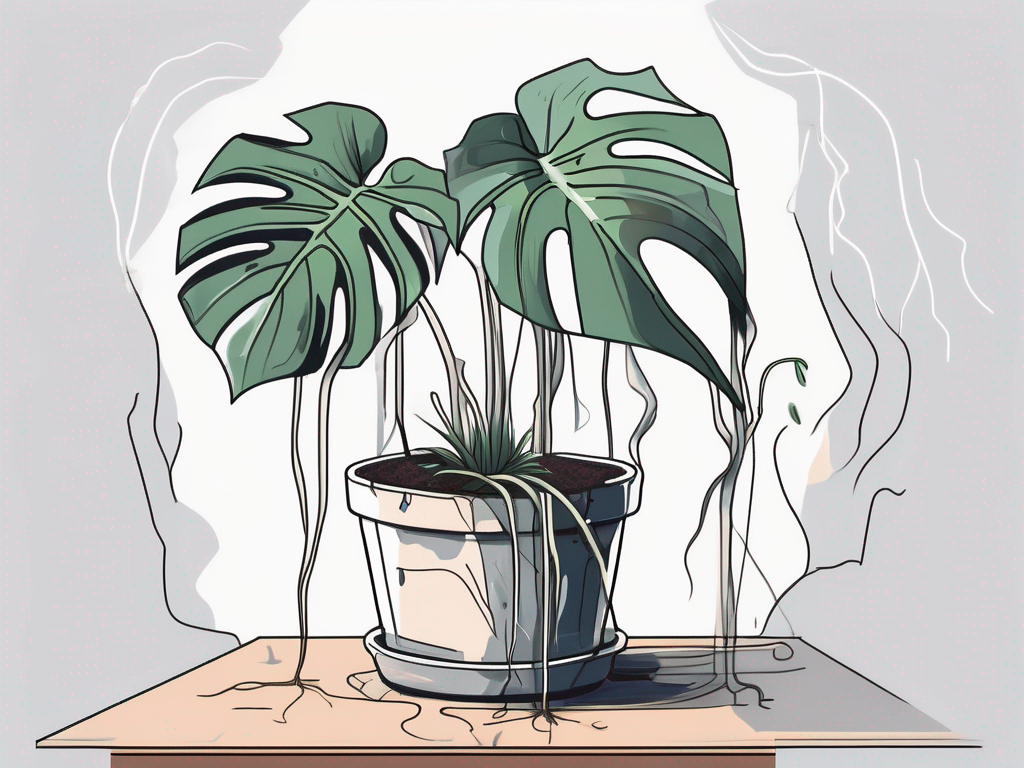
Have you ever repotted your Monstera, only to find it wilting miserably soon after? It's like a heartbreaking scene straight out of a plant drama. One minute your Monstera is thriving, and the next, it's drooping as if it's lost its zest for life. Don't worry, you're not alone in this struggle, and there's hope for your leafy friend yet.
This article will walk you through some common reasons why your Monstera might be wilting after repotting and offer practical solutions to help it bounce back. We'll cover everything from root shock and watering issues to the importance of the right soil mix. By the end, you'll have the know-how to nurse your Monstera back to health and prevent future wilting woes.
Understanding Root Shock
Root shock is one of the most common culprits behind post-repotting wilting. When you repot a Monstera, its roots are suddenly exposed to a lot of change. This can stress the plant, much like how we might feel after an unexpected move to a new city.
During the repotting process, roots can get disturbed or damaged. This disruption makes it difficult for the plant to absorb water and nutrients effectively, leading to wilting. Think of it as the plant's way of saying, "Hey, I'm a little shaken up here!"
To help your Monstera overcome root shock, consider these tips:
- Be gentle: Handle the roots with care during repotting to minimize damage.
- Water wisely: Ensure the plant gets enough water, but don't overdo it. The soil should be moist but not soggy.
- Provide stability: Stake the plant if it seems wobbly. This can help reduce stress on the roots.
Patience is key here. It may take a few weeks for your Monstera to adjust and perk up again. Consider giving it some time before making any drastic changes.
Water Woes: Too Much or Too Little
Watering is an art form in the world of plant care. Too much or too little can both lead to wilting, especially after repotting. Striking that perfect balance can feel like a moving target, but it's possible with a bit of attention and care.
After repotting, the roots might be more susceptible to water stress. Overwatering can lead to soggy soil, which suffocates the roots and promotes root rot. On the flip side, underwatering can leave the plant parched and desperate for moisture.
Here's how you can keep your Monstera's watering needs in check:
- Check the soil moisture: Stick your finger about an inch into the soil. If it feels dry, it's time to water. If it's still moist, wait a bit longer.
- Use the right pot: Make sure your pot has drainage holes to prevent water from pooling at the bottom.
- Adjust to the environment: Consider factors like humidity and light in your home. A dry, sunny room may require more frequent watering.
Remember, it's easier to add water than to take it away. When in doubt, err on the side of caution and water less frequently, checking for moisture regularly.
The Importance of Soil Mix
The soil your Monstera sits in is like the foundation of a house—it needs to be just right for everything else to function smoothly. After repotting, if the soil isn't suitable, it could contribute to wilting.
Monsteras prefer a well-draining soil mix that retains some moisture but doesn't stay soggy. A mix that's too dense or compact can lead to poor drainage, suffocating the roots.
Here's a reliable soil mix recipe for your Monstera:
- 1 part potting soil
- 1 part perlite or pumice
- 1 part orchid bark
This combination allows for excellent drainage while retaining enough moisture for the plant's needs. If you're using store-bought potting mix, make sure it's designed for tropical plants or aroids.
When repotting, take the opportunity to refresh the soil mix. This not only provides better drainage but also replenishes nutrients that your Monstera will need to thrive.
Light Exposure: Finding the Sweet Spot
Post-repotting, a Monstera's light exposure can make all the difference in its recovery. Monsteras are native to the tropical rainforests, where they thrive under filtered light. If your plant is wilting, consider whether it's getting the right amount of light.
Too much direct sunlight can scorch the leaves, causing them to wilt and possibly even turn yellow. Conversely, not enough light can leave the plant sluggish and unable to photosynthesize effectively, leading to droopiness.
Here are some tips to find the right lighting conditions:
- Bright, indirect light: Place your Monstera near a window where it gets plenty of light without direct sun exposure.
- Rotate the plant: Turn your Monstera occasionally to ensure all sides receive balanced light.
- Consider artificial lighting: In darker homes, a grow light can supplement natural light and help the plant thrive.
Finding the right balance of light can take some trial and error. Keep an eye on your Monstera's leaves; they can be great indicators of whether the lighting is just right.
Temperature and Humidity: Creating a Comfort Zone
Monsteras, like most tropical plants, prefer warm, humid conditions. After repotting, ensuring the right temperature and humidity levels can help your Monstera recover and thrive.
If your plant is wilting, it might be due to an uncomfortable environment. Cold drafts, sudden temperature changes, or low humidity can stress your Monstera, leading to droopiness.
To create a cozy environment for your Monstera, consider these tips:
- Maintain a warm temperature: Keep your home between 65°F and 85°F (18°C to 29°C). Avoid placing the plant near cold drafts or heating vents.
- Boost humidity: Use a humidifier or place a tray of water near the plant to increase humidity. Misting the leaves can also help, but don't overdo it.
- Monitor with a hygrometer: A hygrometer can help you keep track of humidity levels, ensuring they're in the optimal range of 60% to 80%.
By tweaking the environment to mimic its natural habitat, you can give your Monstera the best chance to bounce back after repotting.
Fertilizer: When and How to Feed
Feeding your Monstera the right nutrients at the right time can make a significant difference in its recovery from repotting. However, it's crucial to get the timing and dosage just right.
After repotting, your Monstera might not need an immediate boost of fertilizer. In fact, over-fertilizing can lead to nutrient burn, which can exacerbate wilting. It's best to wait a few weeks before introducing any additional nutrients.
When you're ready to fertilize, keep these tips in mind:
- Use a balanced fertilizer: A balanced, water-soluble fertilizer with equal parts nitrogen, phosphorus, and potassium is ideal.
- Follow the label: Always follow the instructions on the fertilizer package to avoid overfeeding.
- Feed during the growing season: Fertilize every 4-6 weeks during the spring and summer. Reduce or stop feeding in the fall and winter when growth slows down.
Fertilizing your Monstera properly can support its growth and help it recover from the stress of repotting, but remember that a little goes a long way.
Checking for Pests and Diseases
Sometimes, wilting after repotting might not be just about the shock or environment—your Monstera could be dealing with pests or diseases. These unwelcome guests can stress your plant and make recovery more challenging.
Common pests like spider mites, mealybugs, and aphids can attack your Monstera, sucking the sap and weakening the plant. They often hide under leaves or in the crevices of the plant, making them easy to miss at first glance.
To keep your Monstera healthy, consider these pest management tips:
- Regular inspections: Check your plant for signs of pests, such as webbing or sticky residue.
- Use neem oil: Neem oil is a natural insecticide that can help manage pests. Apply according to the product's instructions.
- Isolate the plant: If you notice an infestation, move the affected plant away from others to prevent spreading.
Diseases like root rot can also cause wilting. If you suspect root rot, check the roots for mushiness or a foul smell and trim away any affected areas.
The Role of Patience and Observation
Last but not least, patience and observation are your best allies when dealing with a wilting Monstera after repotting. Plants often need some time to adjust to their new homes, and rushing the process can sometimes do more harm than good.
Take the time to observe your Monstera's condition and make gradual adjustments to its care routine. You might need to experiment with different watering schedules, lighting conditions, or humidity levels to find what works best for your plant.
Here are a few final tips to keep in mind:
- Track changes: Keep a journal of your plant's care routine and any changes you make. This can help you identify patterns and adjust accordingly.
- Stay positive: Remember, plants are resilient, and your Monstera is no exception. With time and care, it can bounce back.
- Seek advice: Don't hesitate to reach out to fellow plant lovers or experts if you're unsure about your Monstera's needs.
By staying patient and attentive, you'll be well-equipped to help your Monstera thrive in its new pot.
Final Thoughts
Repotting a Monstera can sometimes lead to wilting, but understanding the root causes and addressing them can make all the difference. From managing root shock and perfecting your watering routine to ensuring optimal light and soil conditions, you've got a range of strategies to help your plant recover and flourish.
At Cafe Planta, we're passionate about helping you care for your plants. Whether you're looking for new houseplants or need plant care accessories, we're here for you. Feel free to email us or reach out on Instagram. We believe that plants connect us to nature and each other, and we're excited to support you on your plant journey.