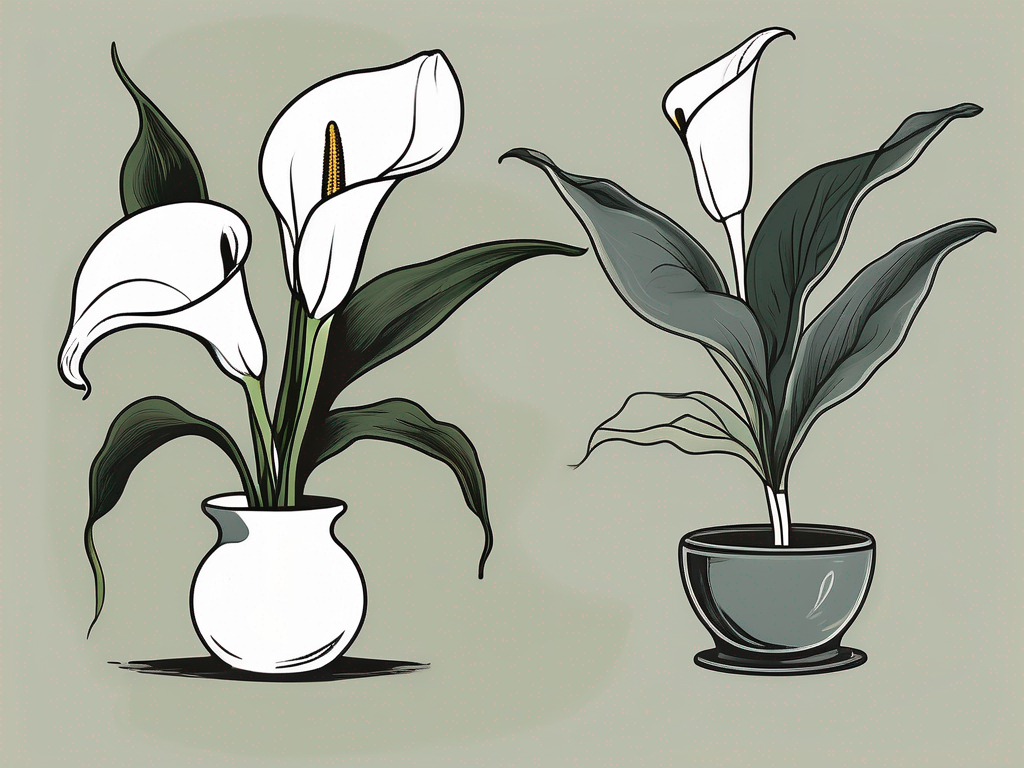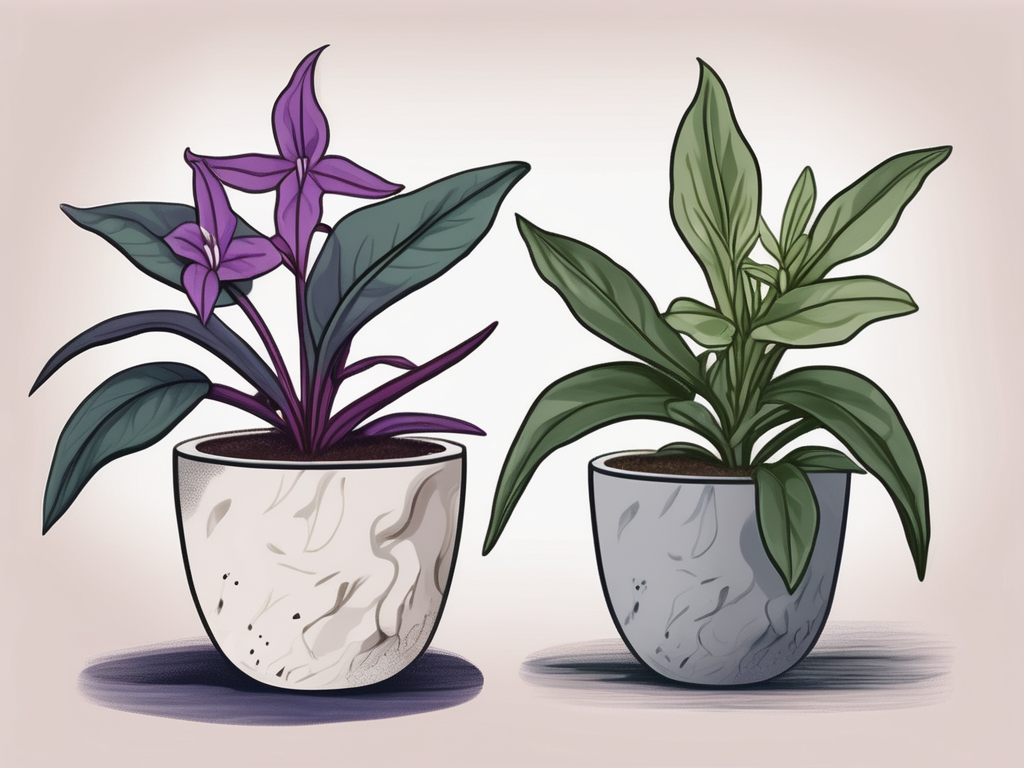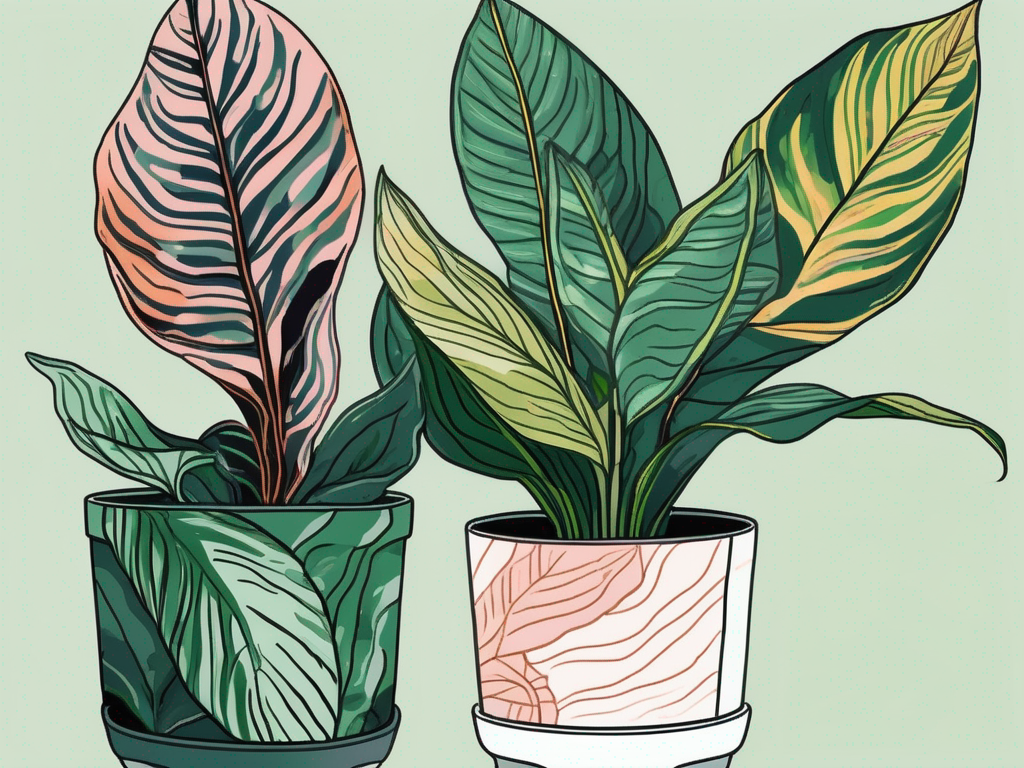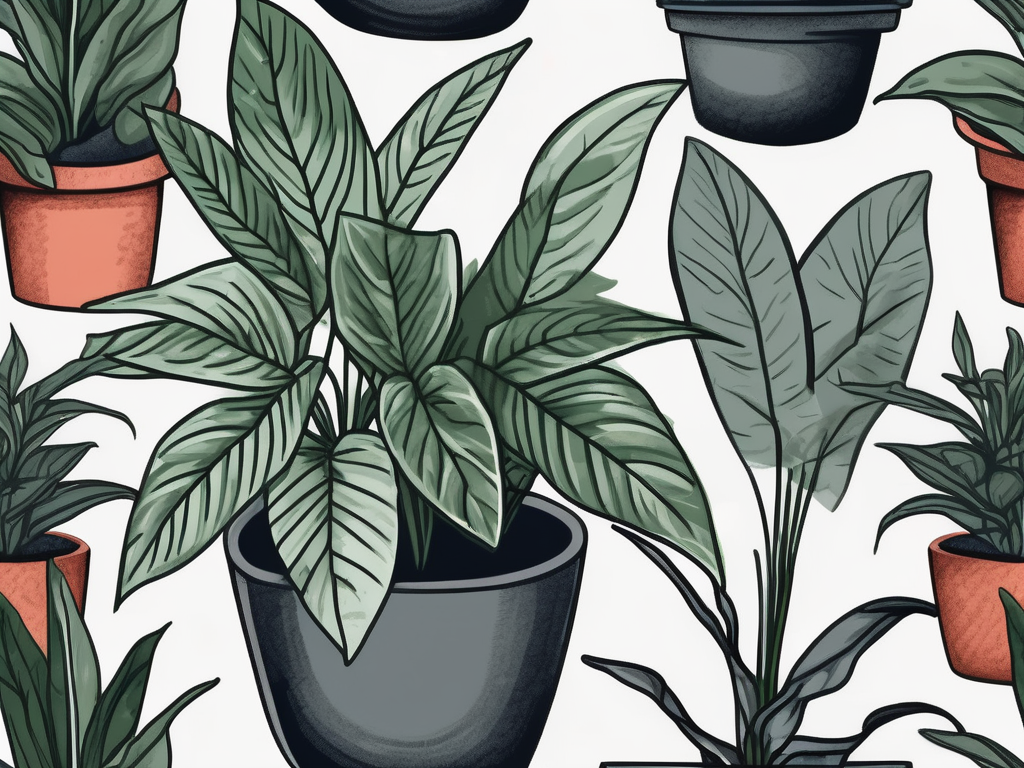
Peacock plants, with their vibrant, intricate patterns, are like living art pieces in your home. But, when they start to wilt, it can feel like your masterpiece is fading. Don't worry, though! Understanding why your peacock plant is wilting is the first step to reviving it and keeping it looking its best.
In this article, we're going to explore the possible reasons behind a wilting peacock plant and offer practical solutions for each issue. From watering habits to light conditions, we'll cover everything you need to know to bring your plant back to life and keep it thriving. Let's dig in and get your peacock plant back to its glory!
Improper Watering Practices
One of the most common culprits for wilting peacock plants is improper watering. Like many houseplants, they have specific needs, and striking the right balance can be a bit of an art. Overwatering or underwatering can both lead to wilting, so let's break each down.
Overwatering: Peacock plants don't appreciate sitting in waterlogged soil. If you're noticing your plant looking droopy and the soil feels consistently damp, overwatering might be the issue. Roots need oxygen, and too much water can suffocate them, leading to root rot.
- Check the soil moisture by sticking your finger about an inch deep. If it's wet, hold off on watering.
- Ensure your pot has a drainage hole to let excess water escape.
- Consider repotting with fresh soil if you suspect root rot has set in.
Underwatering: On the flip side, if your peacock plant's soil is too dry, it can also cause wilting. These plants prefer consistent moisture but not to the point of sogginess.
- Water your plant when the top inch of soil feels dry.
- Use room temperature water to avoid shocking the roots.
- During warmer months, you might need to water more frequently.
Light Conditions
Light is another crucial factor for a healthy peacock plant. These plants thrive in bright, indirect light, but too much or too little can cause wilting and other issues.
Too Much Light: Peacock plants can get stressed in direct sunlight, leading to scorched leaves and wilting. If your plant is near a south-facing window without any filter, it might be getting too much light.
- Move your plant to a spot with filtered or indirect light.
- Sheer curtains can help diffuse direct sunlight.
- Watch for signs of leaf scorch, like browning edges, which indicate too much light exposure.
Too Little Light: On the other hand, insufficient light can also cause your peacock plant to lose its vibrancy and wilt.
- Consider moving your plant closer to a window but out of direct sunlight.
- Artificial lights can supplement natural light, especially in darker rooms.
- Regularly rotate your plant to ensure even light distribution.
Humidity Levels
Peacock plants love humidity, which can sometimes be challenging to maintain indoors, especially during the winter months when heaters are on full blast.
Low Humidity: Dry air can cause the leaves to curl and eventually wilt. If you notice crispy leaf edges, your plant might be craving more humidity.
- Use a humidifier to increase the humidity level around your plant.
- Mist the leaves regularly, but be cautious not to leave them too wet for too long.
- Grouping plants together can naturally increase humidity through transpiration.
Signs of Excess Humidity: While rare, too much humidity can also be a problem, potentially leading to mold or fungal issues.
- Ensure proper ventilation in the room to prevent stagnant air.
- Avoid placing your plant in very damp areas like bathrooms without sufficient airflow.
Temperature Fluctuations
Peacock plants prefer stable temperatures and are sensitive to sudden changes or extreme conditions.
Cold Drafts: If your plant is near a window or door that lets in cold air, it might be wilting as a result.
- Keep your plant away from drafty areas.
- Ensure it's not placed directly in front of air conditioning vents.
- Check windows for leaks and seal them if necessary to protect your plant.
Heat Stress: High temperatures can also cause wilting, especially if paired with low humidity.
- Move your plant away from direct heat sources like radiators or fireplaces.
- Maintain a consistent room temperature between 65°F and 75°F (18°C-24°C).
Soil and Nutrient Issues
The right soil and nutrients are vital for a thriving peacock plant. Poor soil quality or nutrient deficiencies can lead to wilting and other problems.
Soil Quality: Peacock plants need well-draining soil to allow for proper root health.
- Use a high-quality potting mix that retains moisture but drains well.
- A mix of peat, perlite, and compost can provide the right balance.
Nutrient Deficiencies: Lack of essential nutrients can cause your plant to wilt and lose its vibrant colors.
- Feed your plant with a balanced, water-soluble fertilizer every 4-6 weeks during the growing season.
- Be cautious not to over-fertilize, which can harm the roots.
Pests and Fungal Issues
Pests and fungal infections can also be sneaky causes of wilting. These issues often require close inspection and a steady approach to resolve.
Common Pests: Spider mites, aphids, and mealybugs are common pests that might attack your peacock plant, causing it to wilt.
- Regularly inspect your plant, especially the undersides of leaves, for signs of pests.
- Wipe leaves with a damp cloth or use insecticidal soap for infestations.
- Isolate affected plants to prevent spreading pests to others.
Fungal Infections: Overwatering can lead to fungal issues, like root rot, which can cause wilting.
- Ensure good air circulation around your plant to prevent mold growth.
- Use a fungicide if you notice any signs of infection.
- Repotting in fresh soil can help if root rot is suspected.
Repotting Stress
Repotting can sometimes be stressful for a peacock plant, leading to temporary wilting as it adjusts to its new environment.
Transition Period: It's normal for your plant to experience some wilting after repotting as it adapts to the change.
- Be gentle when handling the roots during repotting.
- Water thoroughly after repotting to help settle the soil and eliminate air pockets.
- Give your plant some time to adjust before making other changes to its care routine.
Natural Aging
Sometimes, wilting can simply be a part of a plant's natural aging process. Older leaves will naturally die off to make way for new growth.
Identifying Natural Aging: If the wilting is limited to one or two older leaves, it might just be a normal cycle of growth.
- Trim off dead or yellowing leaves to encourage new growth.
- Monitor the overall health of the plant to ensure new leaves are developing.
While it might be disheartening to see your peacock plant wilting, remember that it's often a sign that something needs a little adjustment. With some patience and care, you can bring your plant back to its vibrant self.
Final Thoughts
We’ve covered a lot of ground, from watering and light conditions to pests and natural aging. Each of these factors can contribute to a wilting peacock plant, but with the right care, your plant can thrive again.
At Cafe Planta, we’re here to support you in your plant care journey. Whether you’re looking for new plants or need advice, don’t hesitate to email us or reach out on Instagram. We love connecting with plant lovers and helping you create a beautiful, thriving plant collection at home!