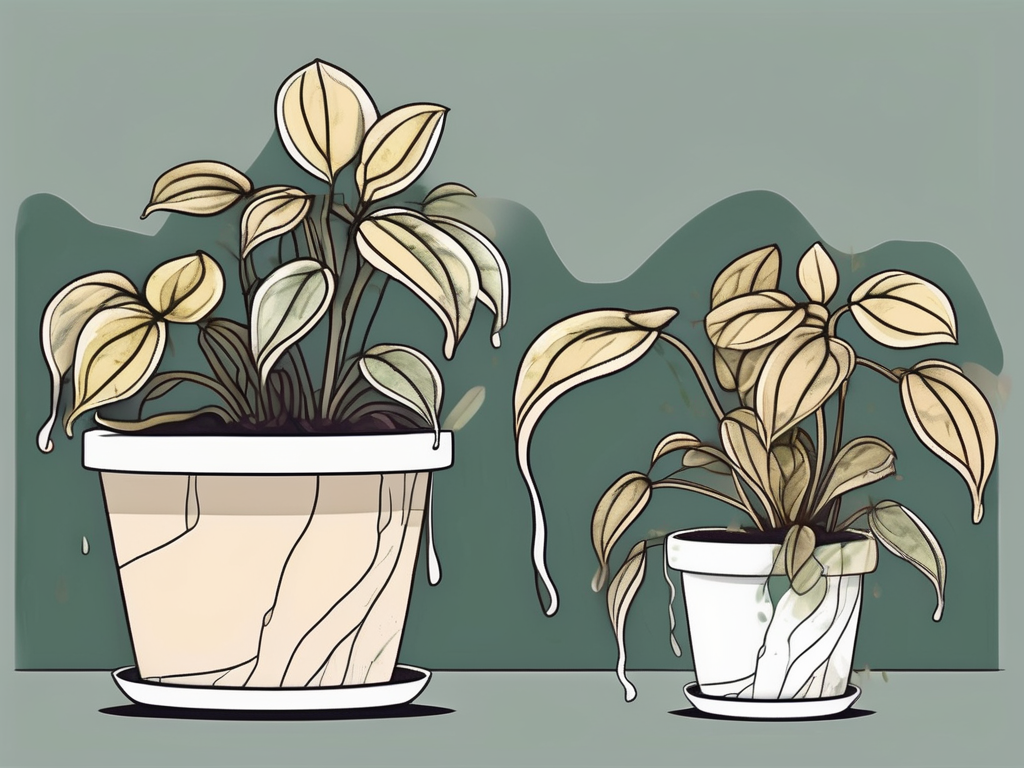
Have you ever found yourself staring at your once-thriving Peperomia and wondering where it all went wrong? These charming little plants are known for their resilience and easygoing nature, but even the hardiest houseplants can have their off days. If you're feeling a bit lost about why your Peperomia is looking less than happy, you're not alone.
Today, we'll explore some common reasons why your Peperomia might be struggling and what you can do to nurse it back to health. From watering mishaps to pest invasions, we'll cover a variety of potential issues and offer practical solutions to help your plant bounce back to its vibrant self.
Water Woes: Too Much or Too Little?
One of the most frequent culprits behind a sad-looking Peperomia is improper watering. It's a balancing act that many plant parents struggle with. Peperomias prefer their soil to dry out slightly between waterings, making them more drought-tolerant than many other houseplants. Overwatering can lead to soggy soil, root rot, and yellowing leaves, while underwatering can cause wilting and dry, crispy foliage.
So, how do you hit that sweet spot? First, check the moisture level of the soil by sticking your finger about an inch deep. If the soil feels dry, it's time to water. If it's still moist, give it a few more days. Using a pot with drainage holes and a well-draining soil mix will also help prevent water from lingering around the roots.
When you do water, make sure to do so thoroughly, allowing the water to flow through the drainage holes. This ensures that all the roots get a good drink without leaving excess water sitting around. Remember, a little attention goes a long way when it comes to watering!
Light Levels: Finding the Right Spot
Peperomias are pretty adaptable when it comes to light, but they have their preferences. They're happiest in bright, indirect light. Too much direct sunlight can scorch their leaves, while too little light can cause them to become leggy as they stretch towards the light source.
If your Peperomia is looking a bit droopy, consider its current location. Is it sitting in a spot where it receives direct afternoon sun? If so, try moving it a few feet away from the window or providing a sheer curtain to diffuse the light. On the flip side, if it's tucked away in a dim corner, relocating it to a brighter spot might just do the trick.
Interestingly enough, some Peperomia varieties can tolerate lower light conditions better than others. However, if you're noticing slow growth or pale leaves, it might be time to reevaluate its lighting situation. Finding that perfect spot can make all the difference in your plant's health.
Temperature and Humidity: Keeping Things Cozy
Just like us, Peperomias have their comfort zone when it comes to temperature and humidity. They thrive in temperatures between 65°F and 75°F and enjoy a bit of humidity, although they're generally quite forgiving if the air is on the drier side.
Cold drafts or sudden temperature changes can stress your plant and lead to its decline. If your Peperomia is near a drafty window or in the path of an air conditioner, it might be time for a change of scenery. Similarly, if you live in an area with low humidity, consider grouping your plants together to create a more humid microenvironment or using a pebble tray with water.
While Peperomias are pretty resilient, keeping them cozy and stable in terms of temperature and humidity can go a long way in maintaining their health and vitality.
Soil Quality: The Foundation of Health
The soil your Peperomia is planted in can have a big impact on its overall wellbeing. These plants prefer a well-draining potting mix, often a combination of peat moss, perlite, and pine bark. A mix that retains some moisture while still allowing excess water to drain away is ideal.
If your Peperomia is planted in heavy, compacted soil, it may struggle to breathe and absorb the nutrients it needs. Over time, this can lead to root rot and other issues. Consider repotting your plant if you suspect the soil is not up to par. When repotting, gently remove as much of the old soil as possible and replace it with a fresh, suitable mix.
Don't forget about the importance of fertilization, either. While Peperomias aren't heavy feeders, a balanced, water-soluble fertilizer applied during the growing season can give them a nice boost. Just be careful not to overdo it, as too much fertilizer can do more harm than good.
Pests: Unwanted Visitors
Pests can be a real headache for any plant lover, and Peperomias are no exception. Common pests like spider mites, mealybugs, and aphids can wreak havoc on your plant if left unchecked. These tiny invaders can cause leaf damage, discoloration, and wilting.
If you suspect pests might be the issue, take a close look at your plant. Check both sides of the leaves and the stems for any signs of bugs or sticky residue. If you find any, don't panic! There are several ways to tackle the problem.
- Manual Removal: Use a damp cloth to gently wipe off the pests. This works well for mild infestations.
- Insecticidal Soap: This is a safe and effective method for dealing with a variety of pests. Follow the instructions on the product label for best results.
- Neem Oil: A natural pesticide that can help control pest populations without harming your plant.
Regularly inspecting your plants and keeping them clean can help prevent pests from making themselves at home in the first place.
Signs of Disease: Spotting Trouble Early
Diseases can also affect Peperomias, leading to symptoms like leaf spots, wilting, and discoloration. Fungal infections, often caused by overwatering, are a common issue. If you notice any unusual spots or growths on the leaves, it's a sign that something may be amiss.
To manage fungal infections, start by removing any affected leaves to prevent the spread of the disease. Ensure your plant has good air circulation and isn't overcrowded with others. You might also consider using a fungicide if the problem persists.
Prevention is always better than cure, so try to maintain a consistent watering routine and keep an eye on the humidity levels to minimize the risk of disease.
Repotting Concerns: When and How to Do It
Repotting can be a stressful event for plants, and if not done correctly, it might lead to some temporary decline. Generally, Peperomias don't need frequent repotting since they prefer to be a bit root-bound. However, if you notice roots growing out of the drainage holes or the plant seems stunted, it might be time for a new pot.
When repotting, choose a pot that's only slightly larger than the current one. Make sure it has drainage holes to prevent water from pooling at the bottom. Gently remove the plant from its pot, loosen any tangled roots, and place it in the new pot with fresh soil.
After repotting, give your Peperomia some time to adjust to its new environment. It might look a bit droopy for a week or two, but with proper care, it should bounce back stronger than ever.
Environmental Stress: Moving and Changes
Peperomias, like many plants, can be sensitive to changes in their environment. Moving them to a new location, altering their light exposure, or changing the temperature suddenly can all lead to stress. If you've recently made a change and noticed your plant isn't looking its best, consider whether the move might be the cause.
A little patience goes a long way. Give your Peperomia some time to acclimate to its new surroundings. Keep an eye on its water and light needs, and avoid making too many changes at once. Sometimes, just letting your plant settle in is the best course of action.
Root Health: The Hidden Factor
Sometimes, the issues with your Peperomia may stem from what's happening below the surface. Root health is crucial for plant vitality. Roots that are rotting or bound too tightly can lead to signs of stress above ground.
If you've tried everything else and your Peperomia still seems unhappy, consider checking the roots. Carefully remove the plant from its pot and examine the roots. Healthy roots should be white and firm. If you find mushy, discolored roots, it's a sign of root rot.
Trim away any damaged roots with clean scissors, repot the plant in fresh soil, and adjust your watering habits to prevent the issue from recurring. With some attention to these hidden details, your Peperomia can thrive once more.
Final Thoughts
Peperomias are delightful plants that bring a touch of green to any space, but like all plants, they have their quirks. By understanding their needs and keeping an eye out for common pitfalls, you can help your Peperomia flourish. From getting the watering just right to ensuring it's basking in the right light, a little care goes a long way.
At Cafe Planta, we're passionate about plants and eager to help you on your plant journey. Whether you're looking for new houseplants, care accessories, or just a friendly chat about your plant's needs, we're here for you. If you have any questions, feel free to email us or send a DM on Instagram. Let's grow together!