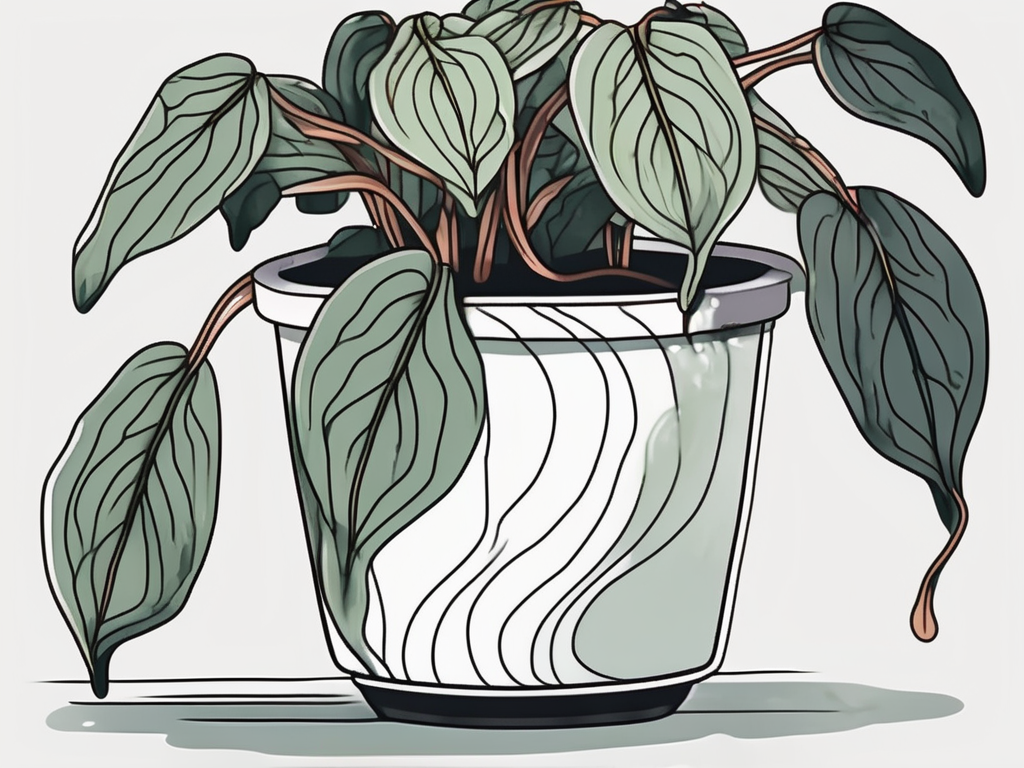
Peperomias are the adorable little plant companions many of us adore for their diverse foliage and easygoing nature. But what happens when your peperomia starts wilting, despite your best efforts? It can be quite concerning, especially when you're not sure what went wrong.
In this article, we'll explore the common causes of wilting in peperomias and guide you through the steps to revive your plant. Whether you're dealing with water woes, pest problems, or environmental issues, we've got helpful tips and tricks to get your peperomia back to its perky self.
Understanding Peperomia Basics
Before we dive into the possible reasons your peperomia is wilting, let's take a moment to understand what makes these plants so unique. Peperomias belong to the Piperaceae family and boast a wide variety of shapes, sizes, and colors. They're native to tropical and subtropical regions, which means they thrive in warm, humid environments.
While peperomias are relatively easy to care for, they have specific needs that must be met to keep them healthy. They prefer indirect sunlight, a well-draining potting mix, and moderate watering. Because they have succulent-like leaves, they can store water, making them somewhat drought-tolerant. However, this doesn't mean they can go without water for long periods.
Understanding these basic needs is crucial when diagnosing why your peperomia might be wilting. Now, let's look at some of the common culprits behind wilting and how you can address them.
Water Woes: Overwatering and Underwatering
Water issues are perhaps the most common cause of wilting in peperomias. Striking the right balance can be tricky, but it's essential for your plant's health.
Overwatering
Peperomias are sensitive to overwatering. Their roots need oxygen, and too much water can suffocate them, leading to root rot. Signs of overwatering include yellowing leaves, a mushy stem, and wilting. If you suspect overwatering, here's what you can do:
- Check the soil: Stick your finger into the soil about an inch deep. If it's consistently wet, it's time to let it dry out before watering again.
- Improve drainage: Ensure your pot has drainage holes and consider adding materials like perlite or sand to the soil to enhance drainage.
- Repot if necessary: If root rot has set in, you may need to repot your peperomia in fresh soil, trimming away any rotten roots.
Underwatering
On the flip side, underwatering can also cause wilting. Peperomias can tolerate some dryness but will eventually start to droop if left too long without water. Here's how to fix it:
- Water thoroughly: When you water, do so until it drains from the bottom of the pot, ensuring the roots get adequate moisture.
- Keep a schedule: While peperomias don't need frequent watering, it's helpful to establish a routine. Check the soil moisture weekly.
Finding the right balance takes practice, and it might involve a bit of trial and error. Be patient, and soon you'll have a healthy watering routine that suits your peperomia's needs.
Pest Problems
Even though peperomias aren't usually pest magnets, they can occasionally suffer from infestations. Common pests like spider mites, mealybugs, and aphids can cause wilting by sapping the plant's nutrients and moisture.
Spider Mites
These tiny pests are hard to see but can cause significant damage. Look for fine webbing on the underside of leaves and tiny, moving dots. Here's how to tackle them:
- Isolate the plant: Move your peperomia away from other plants to prevent the mites from spreading.
- Wash the leaves: Use a gentle stream of water to wash off as many mites as possible.
- Apply insecticidal soap: Use a store-bought or homemade insecticidal soap to treat the leaves.
Mealybugs and Aphids
Mealybugs appear as white, cottony masses, while aphids are small and green. Both can be managed similarly:
- Manual removal: Use a cotton swab dipped in rubbing alcohol to remove visible pests.
- Neem oil or insecticidal soap: Treat the plant with neem oil or a gentle insecticidal soap to get rid of the remaining pests.
Regularly inspecting your plants can help catch pest problems early before they cause significant wilting or damage.
Environmental Factors
Peperomias are sensitive to their environment. Changes in light, temperature, and humidity can all lead to wilting if not addressed.
Light
Peperomias love bright, indirect light. If they're not getting enough light, they might start to droop. On the other hand, too much direct sunlight can scorch their leaves. Here's how to find the right balance:
- Adjust placement: Place your peperomia near a window with filtered light or use a sheer curtain to diffuse direct sunlight.
- Rotate regularly: Turn your plant occasionally to ensure even light exposure.
Temperature and Humidity
These plants prefer a consistent temperature between 65-75°F (18-24°C) and moderate humidity. Sudden changes can cause stress and wilting:
- Avoid drafts: Keep your peperomia away from drafty windows or air conditioning vents.
- Increase humidity: If the air is too dry, consider using a humidifier or placing a tray of water near the plant.
By creating a stable environment, you can help your peperomia thrive and reduce the risk of wilting.
Soil and Potting Mix
Peperomias need a well-draining potting mix to prevent water from sitting around their roots. If the soil is too compact, it can lead to root rot and wilting.
Choosing the Right Mix
The ideal potting mix for peperomias is light and airy. You can either buy a mix specifically designed for succulents or create your own by combining regular potting soil with perlite, sand, or orchid bark.
Here's a simple recipe for a homemade mix:
- 2 parts potting soil
- 1 part perlite
- 1 part orchid bark or sand
Repotting Tips
Repotting can give your peperomia a fresh start, especially if it's been in the same soil for a while. Here's how to do it:
- Choose a pot: Opt for a pot with drainage holes and that's only slightly larger than the current one.
- Gently remove the plant: Carefully loosen the soil around the roots and lift the plant out.
- Refresh the soil: Fill the new pot with the fresh potting mix, place the peperomia in, and fill any gaps with more soil.
Repotting every couple of years can help keep the soil fresh and prevent issues with water retention.
Signs of Stress: Transplant Shock
Transplant shock can occur after repotting, causing your peperomia to wilt temporarily. It's a natural reaction to being moved, and with proper care, your plant should bounce back.
Here's how to help your peperomia recover:
- Water carefully: Only water when necessary to avoid overwatering.
- Keep it comfortable: Ensure the plant is in a stable environment with the right light and temperature.
- Be patient: Give your peperomia time to adjust to its new pot, and avoid fertilizing until it shows signs of new growth.
Transplant shock is usually temporary, so with a little patience, your peperomia should perk up in no time.
Fungal and Bacterial Issues
Fungal and bacterial infections can also cause wilting in peperomias. These issues often arise from overwatering or poor air circulation.
Common Fungal Infections
Fungal infections like root rot or leaf spot can lead to wilting. To prevent and treat these problems:
- Ensure proper drainage: Use well-draining soil and pots with drainage holes.
- Improve air circulation: Avoid overcrowding plants and consider using a fan to increase airflow.
- Treat infections: Remove affected leaves and use a fungicide if necessary.
Bacterial Infections
Bacterial infections are less common but can still occur. Symptoms include wilting, leaf spots, and a foul smell. To manage bacterial issues:
- Remove affected parts: Trim away any infected leaves or stems.
- Improve hygiene: Sterilize tools and pots to prevent the spread of bacteria.
Maintaining healthy plants with proper care can minimize the risk of fungal and bacterial infections.
Nutrient Imbalances
While peperomias don't require heavy feeding, nutrient imbalances can sometimes cause wilting. Both deficiencies and excesses can affect plant health.
Deficiencies
A lack of essential nutrients like nitrogen, phosphorus, or potassium can lead to wilting. Signs include yellowing leaves and stunted growth. Here's how to address deficiencies:
- Use a balanced fertilizer: Apply a balanced, water-soluble fertilizer every month during the growing season.
- Follow instructions: Avoid over-fertilizing, as this can harm your plant.
Excess Fertilizer
Over-fertilizing can cause salt buildup in the soil, leading to wilting. If you suspect this issue:
- Flush the soil: Water thoroughly to wash away excess salts.
- Cut back on feeding: Reduce the frequency and amount of fertilizer used.
By providing the right nutrients in moderation, you can support your peperomia's overall health and prevent wilting.
Final Thoughts
Wilting in peperomias can stem from various issues, including water problems, pests, environmental factors, and more. By understanding and addressing these potential causes, you can help your plant recover and thrive.
At Cafe Planta, we believe that caring for plants is a joyful journey. Whether you're looking for new plant additions or need advice, we're here to help. Feel free to email us or reach out on Instagram. Let's nurture our love for plants together!