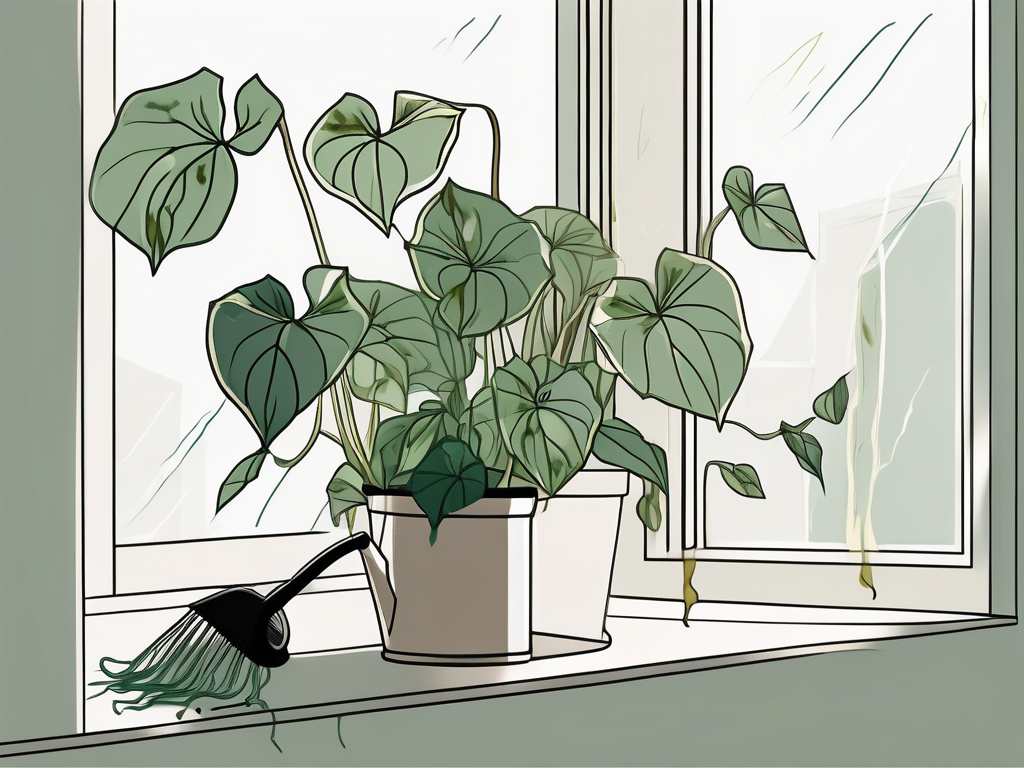
If you've noticed your pothos looking a bit sad lately, you're not alone. Many plant owners have faced the mystery of wilting leaves, and it can be pretty unsettling. But don't worry! Figuring out why your pothos is wilting is totally doable, and with a little bit of detective work, you can get your plant back to its vibrant self in no time.
In this article, we'll walk through the common causes of wilting in pothos plants and provide you with some practical solutions. From watering mishaps to lighting issues, we'll cover it all, offering you the knowledge and tips needed to get your pothos thriving again.
Understanding Wilting: What Does It Mean?
First things first, let's chat about what wilting actually means for your pothos. Wilting is essentially your plant's way of telling you it's not happy with something in its environment. It's like when we feel a bit under the weather – something's off, and it needs to be addressed.
Wilting can manifest as droopy leaves, a lack of firmness, or even a change in leaf color. It's a sign that the plant's internal water balance is disrupted. This can happen for a variety of reasons, and identifying the cause is the first step in helping your pothos recover.
Interestingly enough, wilting isn't always bad news. It can be a temporary response to a change in conditions, like a sudden drop in temperature or a missed watering session. However, persistent wilting usually indicates a more chronic issue that needs your attention.
Watering Woes: Too Much or Too Little?
Watering is often the first area to investigate when your pothos starts wilting. Both overwatering and underwatering can cause similar symptoms, so it's essential to assess your watering routine.
Overwatering
Let's start with overwatering, a common pitfall for many plant parents. If your pothos is wilting and the soil feels soggy, you might be giving it too much love. Pothos prefers to dry out a bit between waterings, so constantly wet soil can lead to root rot, which prevents the plant from taking up water effectively.
- Check the soil: Stick your finger about an inch into the soil. If it feels wet, hold off on watering.
- Consider the pot: Make sure your pot has drainage holes. Without them, excess water can accumulate, leading to root issues.
- Adjust your watering schedule: Let the top inch or so of soil dry out before watering again.
Underwatering
On the flip side, underwatering can also lead to wilting. If the soil is bone dry and the leaves feel crispy, your pothos is probably thirsty.
- Soak thoroughly: When you water, make sure to water deeply so that the roots can absorb moisture.
- Establish a routine: Try to water your pothos on a consistent schedule to prevent the soil from drying out completely.
Finding the right balance can be a bit of trial and error, but once you've nailed it, your pothos will thank you!
Lighting Issues: Too Much or Too Little Light?
Lighting is another crucial factor in your pothos' well-being. These plants are quite adaptable, but they do have preferences when it comes to light.
Too Much Light
If your pothos is sitting in direct sunlight for extended periods, the leaves can scorch, leading to wilting. Pothos prefers bright, indirect light – think of it as the plant version of sitting in the shade with a good book.
- Relocate if needed: Move your plant to a spot where it gets filtered light, like near a north or east-facing window.
- Use sheer curtains: If moving isn't an option, using curtains to diffuse the sunlight can help.
Not Enough Light
On the other hand, if your pothos is in a dimly lit area, it might not be getting the energy it needs for healthy growth, leading to wilting.
- Brighten up: Consider moving your plant closer to a light source, or use a grow light to supplement natural light.
Remember, finding the right light balance is like finding the perfect seat in a coffee shop – not too bright, not too dark.
Temperature Fluctuations: Keeping It Cozy
Pothos plants are pretty forgiving, but they have their limits when it comes to temperature. Extreme fluctuations can cause stress, leading to wilting.
These tropical beauties prefer temperatures between 65-85°F (18-29°C). Sudden drops or spikes outside this range can cause the leaves to droop.
- Avoid drafts: Keep your plant away from drafty windows or doors, especially during winter.
- Mind the AC: Air conditioning can dry out the air, so try to keep your pothos away from direct airflow.
Think of your pothos as a cozy houseguest – it likes to be comfortable, not too hot, not too cold.
Humidity Levels: Embracing the Tropics
As tropical plants, pothos thrive in humidity. If the air in your home is too dry, especially during the winter months, your plant might start to wilt.
Increasing humidity can help your pothos feel more at home:
- Use a humidifier: This is one of the best ways to boost humidity for your plants.
- Group plants together: Placing plants close to each other can naturally increase humidity as they release moisture through their leaves.
- Mist occasionally: Light misting can help, but be cautious not to overdo it, as excess water on the leaves can lead to fungal issues.
Creating a humid environment is like giving your pothos a spa day – it helps them relax and thrive.
Pests and Diseases: Unwanted Guests
Sometimes, wilting can be a sign that your pothos has some unwanted visitors. Pests like spider mites, mealybugs, and aphids can sap the energy from your plant, leading to droopy leaves.
Identifying Pests
Check under the leaves and along the stems for any signs of pests. You might notice small webs, sticky residue, or tiny crawling insects.
- Spider mites: Look for tiny webs and speckled leaves.
- Mealybugs: These look like small, white cottony masses on the plant.
- Aphids: Small green insects that cluster on new growth.
Treating Pests
If you find pests, it's time to take action:
- Wash them off: A gentle spray of water can remove many pests.
- Use insecticidal soap: This is a more targeted approach if the infestation is severe.
Think of pest control as setting boundaries – you're just telling those bugs that your pothos is off-limits.
Soil Quality: The Foundation of Health
The soil your pothos sits in can greatly affect its health. Poor soil can lead to nutrient deficiencies, drainage issues, and ultimately, wilting.
Checking Soil Quality
Take a closer look at the soil:
- Compaction: If the soil is too compacted, it can restrict root growth and water absorption.
- Nutrient content: If your plant hasn't been repotted in a while, the soil might be depleted of nutrients.
Refreshing the Soil
If you suspect soil quality is an issue, consider these steps:
- Repotting: Refresh the soil by repotting with a quality potting mix designed for houseplants.
- Fertilizing: Use a balanced houseplant fertilizer during the growing season to provide essential nutrients.
Good soil is like a comfortable bed for your pothos – it needs to be supportive, well-draining, and full of the right nutrients.
Root Health: The Hidden Factor
Sometimes, the cause of wilting lies beneath the surface. Root health is crucial for your pothos, as roots are responsible for absorbing water and nutrients.
Signs of Root Problems
Check for signs of root issues, such as:
- Root rot: Mushy, brown roots often indicate rot, usually caused by overwatering.
- Root-bound: If the roots are circling tightly around the pot, they might not be able to absorb enough water.
Addressing Root Issues
If you find root problems, try these solutions:
- Prune damaged roots: Trim off any rotten or excessively tangled roots.
- Repot to a larger container: If your plant is root-bound, move it to a slightly bigger pot with fresh soil.
Think of healthy roots as the foundation of a happy plant – they need space and care to support lush growth.
Stress from Changes: Giving Your Plant Time to Adjust
Plants don't love change as much as we do, and stress from changes in their environment can lead to wilting. Maybe you've recently moved your plant to a new spot, repotted it, or made a significant change to its care routine.
Here's how to help your pothos adjust:
- Be patient: Give your plant some time to settle into its new environment.
- Maintain consistency: Try to keep other care aspects stable, like watering and light.
Think of this phase as your pothos' adjustment period – just like how we need time to settle into a new home or job.
Final Thoughts
We've covered a lot of ground, from watering and lighting to pests and soil quality. Understanding these factors will help you pinpoint why your pothos might be wilting, allowing you to take the right steps to bring it back to health.
At Cafe Planta, we're here to support you on your plant journey. Whether you're looking for new houseplants, plant accessories, or just some plant-themed apparel to show off your love for greenery, we've got you covered. If you have any questions, don't hesitate to email us or send a DM on Instagram. We believe in the power of plants to bring people together, and we're excited to help you create a thriving plant collection!