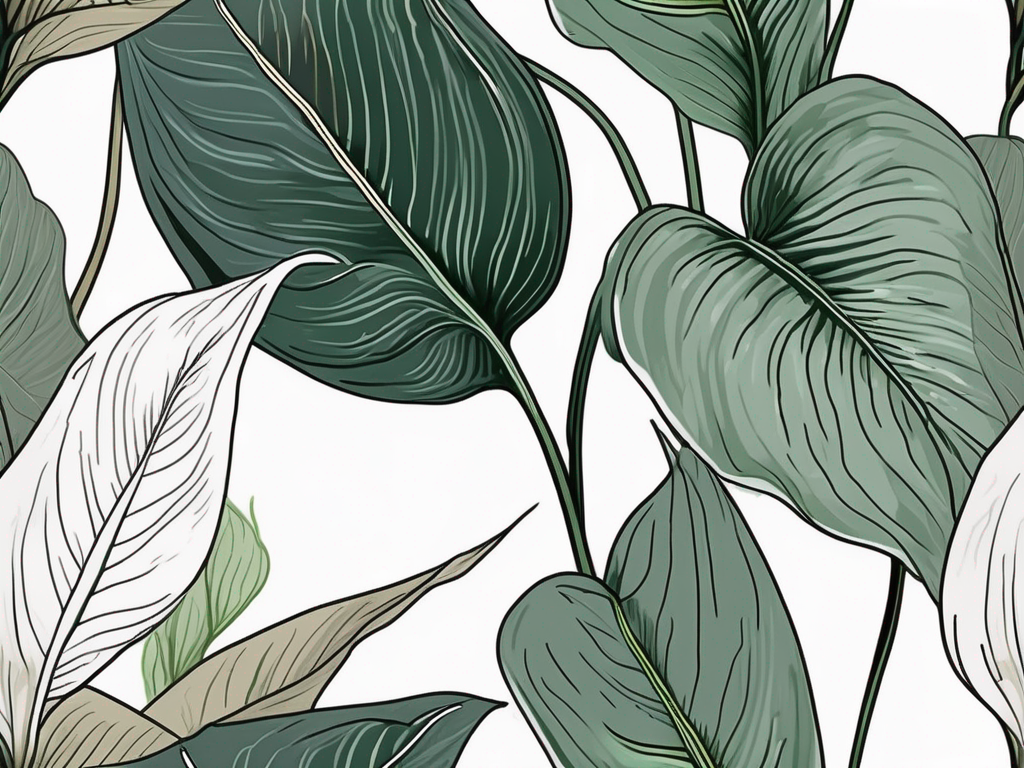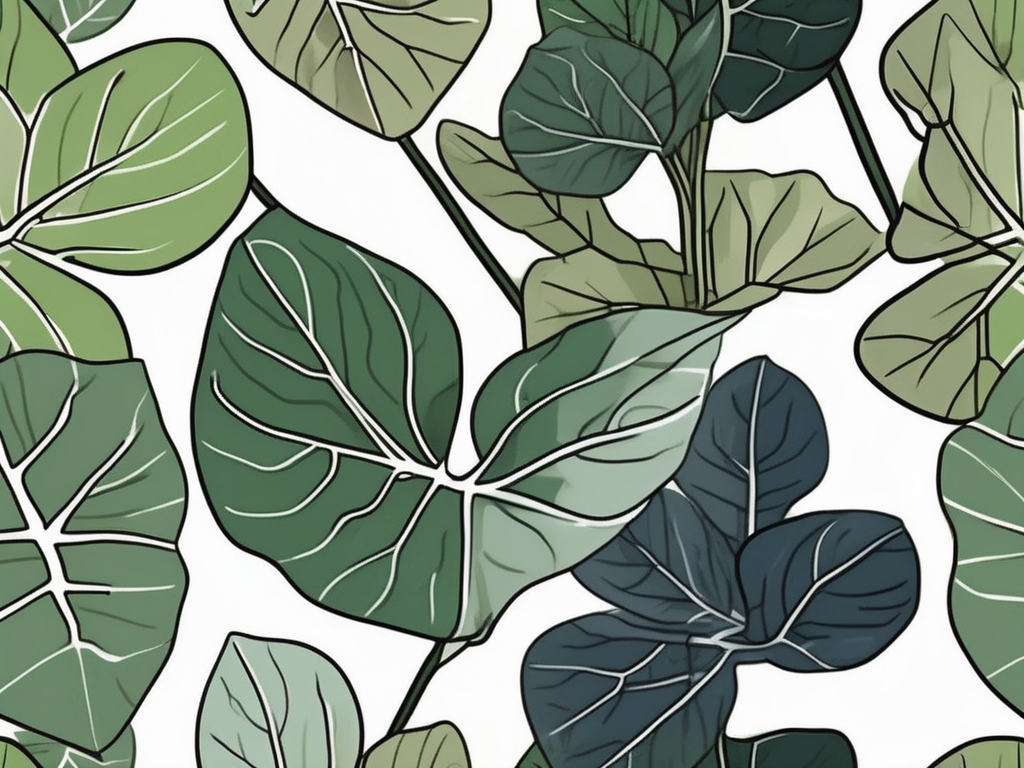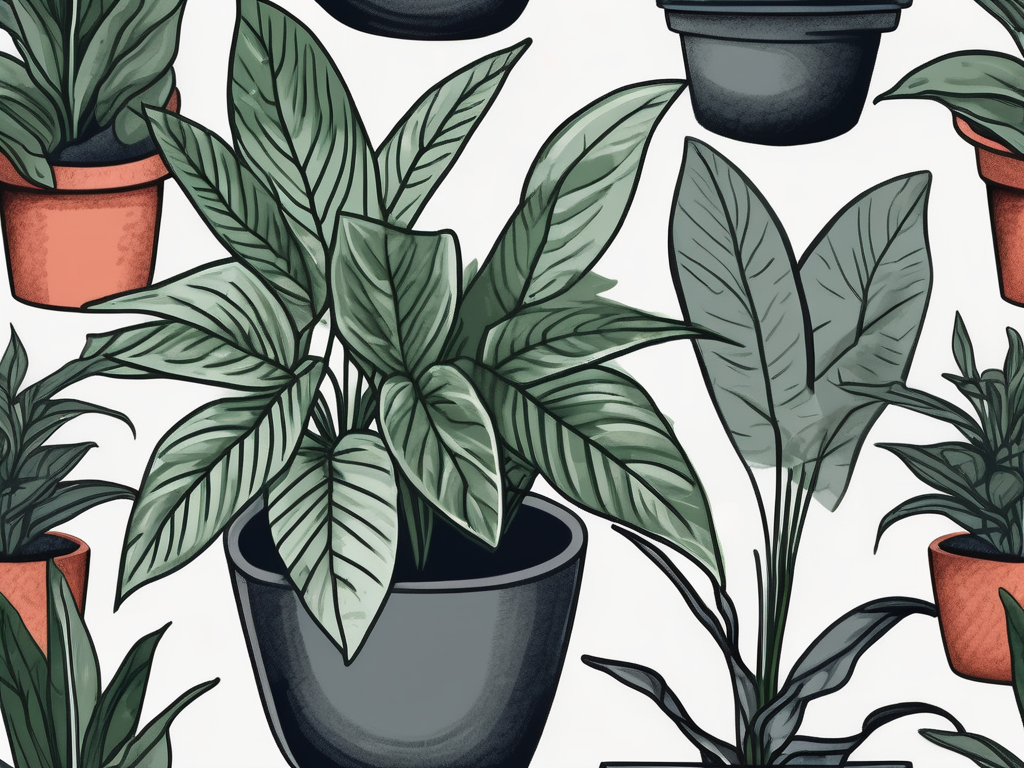
Heartleaf Philodendron, or Philodendron hederaceum, is a beloved houseplant known for its lush, trailing vines and beautiful heart-shaped leaves. Yet, sometimes this easygoing plant seems to hit a standstill, leaving plant lovers puzzled over its lack of growth.
If you’ve been wondering why your Heartleaf Philodendron isn't thriving the way you'd hoped, stick around. We’re going to explore some common reasons for this and offer some practical tips to get your plant back on the path to vibrant growth.
Understanding Your Heartleaf Philodendron
Before we get into the troubleshooting, let’s take a moment to appreciate what makes the Heartleaf Philodendron tick. This plant is native to tropical regions, where it thrives in humid environments with filtered light. It’s adaptable and resilient, which is why many plant parents love it. But even the hardiest plant can face challenges when the conditions aren’t quite right.
Heartleaf Philodendrons are known for their ability to grow in various light conditions, but they do have their preferences. They enjoy bright, indirect light and can even tolerate low light, though they might not grow as vigorously. Understanding these basic needs will help you pinpoint potential issues with growth.
Light: Too Much or Too Little?
Light is a critical factor in plant growth, acting like food for our green friends. Your Heartleaf Philodendron needs enough bright, indirect light to photosynthesize and produce energy for growth. If it’s not getting the right amount, you might notice stunted growth or legginess.
- Too much light: If your plant is in direct sunlight, it might get scorched. You’ll notice browning or yellowing leaves, which is a sign to move it to a spot with filtered light.
- Too little light: On the flip side, if your plant isn’t getting enough light, it will struggle to photosynthesize efficiently. You might see longer spaces between leaves, indicating it's reaching for more light.
To fix light issues, try moving your plant to a brighter spot, like near a window with sheer curtains. Remember, it’s all about balance!
Watering Woes
Watering is another crucial aspect of plant care that can be tricky to get right. Too much or too little water can both lead to growth issues. Heartleaf Philodendrons prefer their soil to dry out slightly between waterings. Overwatering can lead to root rot, while underwatering can cause dehydration.
- Signs of overwatering: Yellowing leaves, mushy stems, and a musty smell in the soil can indicate your plant is getting too much water.
- Signs of underwatering: If the leaves are wilting, crispy, or browning at the edges, it might be thirsty.
To strike the right balance, water your plant when the top inch of soil feels dry. Adjust your watering schedule based on the season, as plants typically need less water during the winter months.
The Soil Situation
Soil might not seem like the most exciting topic, but it’s one of the key elements in a plant’s well-being. The right soil provides the necessary nutrients and structure for roots to grow and thrive. Heartleaf Philodendrons prefer a well-draining potting mix to prevent water from pooling around their roots.
If your plant isn’t growing, checking the soil is a good place to start. Compact or poor-quality soil can restrict root growth, leading to stunted plants. Consider repotting your Philodendron into fresh potting mix every couple of years to ensure it’s getting the nutrients it needs. A mix of potting soil, perlite, and orchid bark can create a well-draining environment that these plants love.
Humidity and Temperature
Remember, Heartleaf Philodendrons hail from tropical climates, which means they love humidity. While they’re adaptable to indoor environments, they might not flourish in dry conditions. If your home is particularly dry, especially during winter, this could be affecting your plant’s growth.
Aim for humidity levels of around 40-60% for optimal growth. If your air is dry, consider:
- Using a humidifier to increase moisture in the air.
- Grouping plants together to create a microclimate.
- Placing a tray of water near the plant to evaporate and increase humidity.
Additionally, keep your plant away from drafts and sudden temperature changes, which can stress it out.
Nutrient Needs
Just like us, plants need a balanced diet to grow strong and healthy. Your Heartleaf Philodendron might be missing out on essential nutrients if it’s not growing. While they don’t need a lot of fertilizer, a little boost during the growing season can make a difference.
Consider feeding your plant with a balanced, water-soluble fertilizer every 4-6 weeks during spring and summer. Be careful not to overdo it, as too much fertilizer can burn the roots and do more harm than good. Always follow the instructions on the fertilizer package, diluting it to about half strength.
Pests and Diseases
Pests can be sneaky and might be the culprits behind your plant’s stagnation. Common pests like spider mites, aphids, and mealybugs can sap the energy from your plant, affecting its growth. Check the undersides of leaves and along the stems for any signs of infestation.
If you find pests, try gently washing them off with water or using insecticidal soap. Regularly wiping the leaves with a damp cloth can also help prevent infestations. As for diseases, root rot is a common issue caused by overwatering. If you suspect root rot, it might be time to repot your plant in fresh soil and trim any mushy roots.
Pot Problems
Believe it or not, your pot could be holding your plant back. If your Heartleaf Philodendron is root-bound, meaning the roots have filled the pot and have nowhere else to go, it won’t grow as it should. You might notice roots growing out of the drainage holes or circling around the base of the pot.
To solve this, consider repotting your plant into a slightly larger pot. Choose one that’s about 1-2 inches bigger in diameter to give the roots room to spread out. Be sure it has drainage holes to prevent water from sitting at the bottom.
Patience is Key
Lastly, let’s talk about patience. Sometimes, plants simply take their time to adjust to new environments or seasons. If you’ve checked all the above factors and your Heartleaf Philodendron still isn’t growing, it might just need some time.
Plants have their own rhythms, and growth spurts can happen unexpectedly. Keep providing consistent care, and don’t be discouraged if progress seems slow. Your patience and attention will pay off in lush, trailing vines.
Final Thoughts
In summary, if your Heartleaf Philodendron isn’t growing, consider factors like light, water, soil, humidity, nutrients, and potential pests. By addressing these elements, you can help your plant reach its full potential.
At Cafe Planta, we’re passionate about connecting people with beautiful plants. Whether you're an experienced plant parent or just starting out, we’re here to help. Got questions? Feel free to email us or message us on Instagram. Let’s grow together!