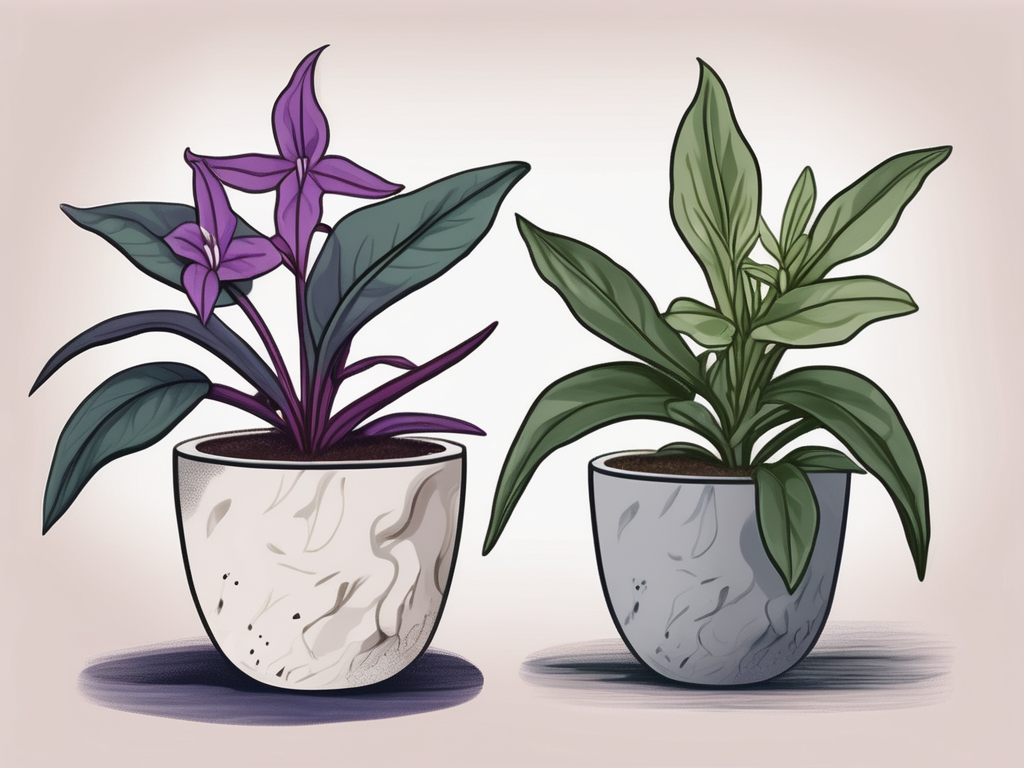
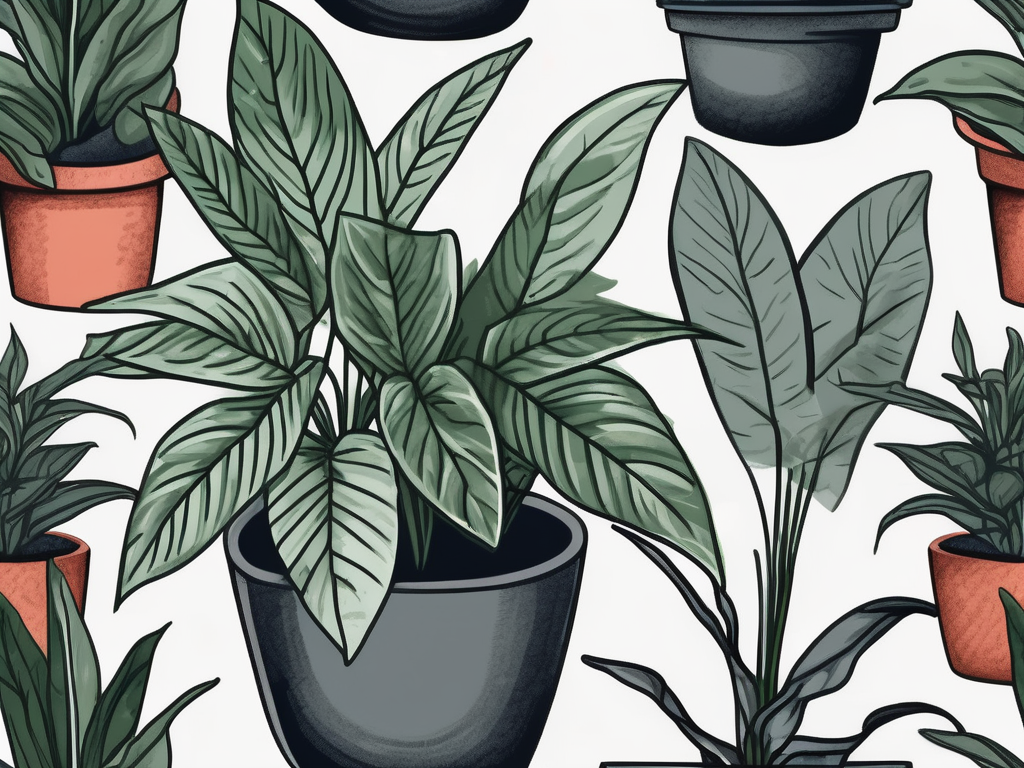
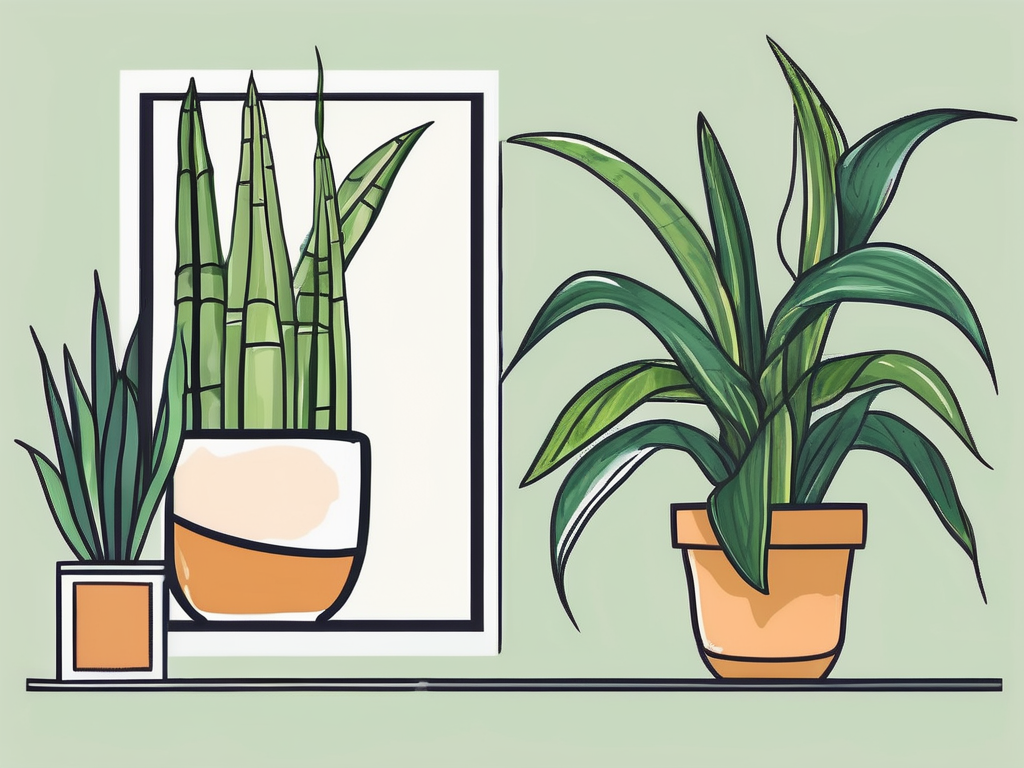
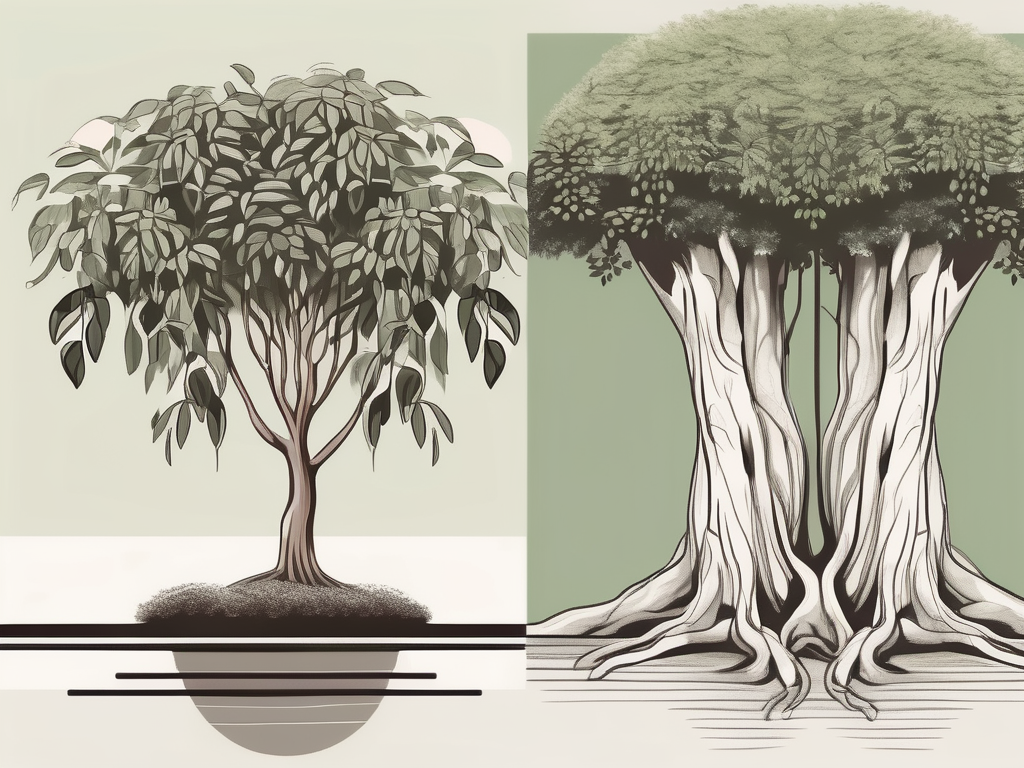
When it comes to houseplants, choosing the right one can feel like picking a new friend to invite into your home. The Yucca and the Dragon Tree are two popular choices for plant lovers who want something both striking and straightforward to care for. But what makes these two plants different? Let's explore their unique characteristics and why one might be a better fit for you than the other.
This article will provide a detailed comparison of the Yucca and the Dragon Tree, covering everything from their appearance to care requirements and how they can fit into your home decor. By the end, you'll have a clear understanding of each plant's needs and charms, helping you decide which one deserves a spot in your living space.
Yucca: The Desert Beauty
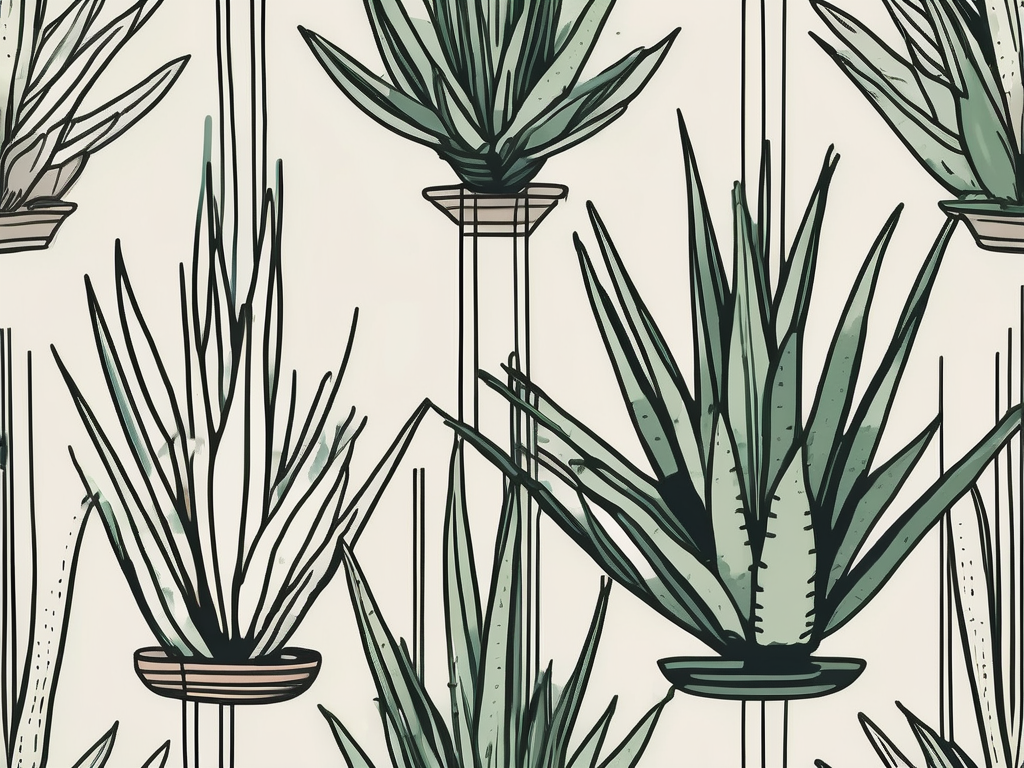
The Yucca plant is like the rugged cowboy of the plant world. It's tough, resilient, and has a no-nonsense attitude when it comes to care. Native to the arid regions of North and Central America, the Yucca is built to withstand harsh conditions. Its sword-like leaves and sturdy trunk give it a bold, architectural look that can transform any room.
Yucca plants are well-suited to those who might not have the greenest thumbs. They thrive on neglect, needing only occasional watering and plenty of sunlight. In fact, one of the most common mistakes with Yucca care is overwatering. Think of them as the cactus of the non-cactus world: they store water in their thick trunks and can go for long periods without a drink.
When it comes to styling your home, the Yucca's striking silhouette makes it a great focal point. It pairs well with modern, minimalistic decor, where its bold leaves can stand out against a clean backdrop. But don't let its tough exterior fool you — the Yucca can be surprisingly versatile, complementing a range of styles from boho chic to industrial loft.
Dragon Tree: The Tropical Touch
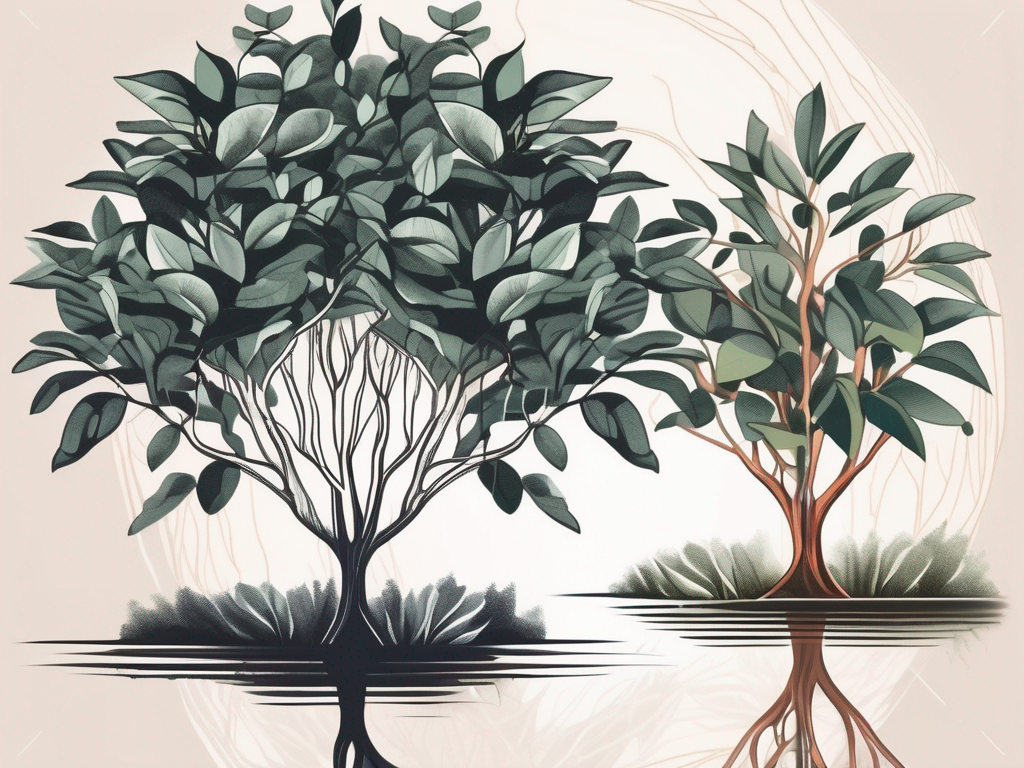
The Dragon Tree, or Dracaena marginata, brings a touch of the tropics into your home. With its slender trunk and graceful, arching leaves, it has a softer, more elegant appearance compared to the robust Yucca. Native to Madagascar, the Dragon Tree thrives in warm, indoor environments and can adapt to varying light conditions, making it a favorite among plant lovers.
What sets the Dragon Tree apart is its ability to purify the air. It's known for removing toxins such as formaldehyde and benzene, which are often found in household products. So, not only does it look good, but it also contributes to a healthier living environment.
In terms of care, the Dragon Tree is quite forgiving. It prefers indirect light but can manage in lower light conditions, which is perfect for those dim corners of your home. Watering should be done when the top inch of soil feels dry, and it's crucial to ensure proper drainage to prevent root rot. The Dragon Tree's adaptable nature makes it an excellent choice for those new to plant care or looking to add a low-maintenance option to their collection.
Comparing Growth Habits
Understanding how each plant grows can help you decide where to place them and how much space they'll need as they mature. Yucca plants typically grow upright, with leaves that fan out from a central point. They can reach heights of up to 10 feet indoors, although more commonly, they hover around 2 to 4 feet when kept in containers. Their growth is relatively slow, so you won't have to worry about them outgrowing their space too quickly.
On the other hand, Dragon Trees grow a bit differently. They have a more slender, tree-like appearance, with thin, flexible trunks that can support multiple branches and heads of foliage. Dragon Trees can reach similar heights to Yuccas, but their growth tends to be more vertical and less expansive, making them ideal for narrow spaces.
To encourage a healthy growth pattern, both plants benefit from regular pruning. For Yuccas, trimming the lower leaves can help maintain their sculptural shape, while Dragon Trees can be pruned to encourage branching and fuller foliage. Regular pruning not only keeps the plants looking their best but also promotes new growth.
Light and Water Needs
When it comes to light and water, both the Yucca and Dragon Tree have specific needs that reflect their native environments. Yuccas crave bright, direct sunlight, so placing them near a sunny window is ideal. They're drought-tolerant, meaning they prefer to dry out completely between waterings. Think of the Yucca as a sunbather that doesn't mind skipping a few showers.
Dragon Trees, in contrast, prefer indirect light, which makes them suitable for a wider range of indoor locations. They can tolerate lower light conditions, although their growth might slow down. When it comes to watering, Dragon Trees need a bit more attention. They like their soil to be kept lightly moist, but not soggy. Allow the top inch of soil to dry out between waterings to prevent overwatering.
Providing the right light and water conditions is key to keeping these plants healthy and thriving. It's all about mimicking their natural habitats as closely as possible, so understanding these basic requirements can make all the difference in your plant care routine.
Soil and Potting Tips
Choosing the right soil and pot for your Yucca or Dragon Tree can significantly impact their health and growth. Yuccas prefer a well-draining soil mix, often a combination of sand, perlite, and standard potting soil. This setup mimics their natural, sandy environments and helps prevent root rot, a common issue with overwatering.
For Dragon Trees, a slightly more moisture-retentive soil is beneficial. A mix of standard potting soil with some added perlite for drainage works well. The pot should have drainage holes to allow excess water to escape, keeping the roots healthy and rot-free.
When repotting either plant, choose a pot that's only slightly larger than the current one. This encourages root growth without overwhelming the plant with too much soil, which can retain water and lead to root rot. Repotting every two to three years is usually sufficient, depending on the growth rate and health of the plant.
Dealing with Pests and Diseases
Like all houseplants, Yuccas and Dragon Trees can fall victim to pests and diseases. Common pests include spider mites, mealybugs, and scale insects. Regularly inspecting your plants and wiping down their leaves with a damp cloth can help prevent infestations. If pests do appear, treating them with insecticidal soap or neem oil is a gentle and effective approach.
Diseases are often related to overwatering or poor drainage. Root rot is a common issue, especially in Dragon Trees. Ensuring proper drainage and being mindful of watering habits can prevent this. If you notice yellowing leaves or a foul odor from the soil, it might be time to check the roots and adjust your watering schedule.
Maintaining a healthy plant environment through proper care and regular checks is the best way to keep your Yucca or Dragon Tree pest and disease-free. A little preventive care goes a long way in ensuring these plants stay vibrant and healthy.
Incorporating Plants into Your Home Decor
Adding a Yucca or Dragon Tree to your living space isn't just about the plant itself; it's about how it complements your decor. Yuccas, with their bold, architectural form, fit seamlessly into modern and minimalist styles. Their striking appearance can serve as a natural piece of art in a room, drawing the eye and adding a touch of the outdoors.
Dragon Trees, with their softer, more tropical look, work well in a variety of settings. They can add a touch of greenery to bohemian-style homes or soften the edges of a contemporary space. Their air-purifying qualities also make them a great choice for bedrooms or living areas where you spend a lot of time.
When styling with these plants, consider their light needs and growth habits. Yuccas thrive in bright spots, while Dragon Trees can handle less light. Use decorative pots and stands to elevate the plants and enhance their visual impact. Remember, the plant is just one part of your decor — it's how you integrate it with your space that creates a harmonious and inviting environment.
Choosing the Right Plant for You
Deciding between a Yucca and a Dragon Tree ultimately comes down to personal preference and the specific conditions in your home. If you have a bright, sunny spot and prefer a plant that requires minimal care, the Yucca might be your best bet. Its bold look and hardy nature make it a great choice for anyone looking to add a low-maintenance yet striking plant to their collection.
On the other hand, if you're looking for something that offers air-purifying benefits and can adapt to different light conditions, the Dragon Tree could be the way to go. Its elegant form and forgiving nature make it suitable for both seasoned plant parents and beginners alike.
Consider your lifestyle, the amount of light in your home, and how much attention you're willing to give. Both plants have their charms, and either can make a wonderful addition to your indoor garden, bringing a bit of nature's beauty into your home.
Final Thoughts
In summary, both the Yucca and Dragon Tree offer unique benefits and can bring beauty to your home, but they cater to different preferences and care requirements. The Yucca is perfect for sunny spots and those who want a bold, low-maintenance plant, while the Dragon Tree offers air purification and flexibility in lighting conditions.
At Cafe Planta, we're passionate about helping you find the perfect plant companions for your home. We offer a variety of houseplants, plant care accessories, and even plant-themed apparel. Whether you have questions about plant care or just want to chat about your green thumb journey, we'd love to hear from you. Feel free to email us or reach out on Instagram. Let's grow together and create inviting spaces filled with life and greenery.