
Are African Masks Pet Friendly?
Cafe Planta Team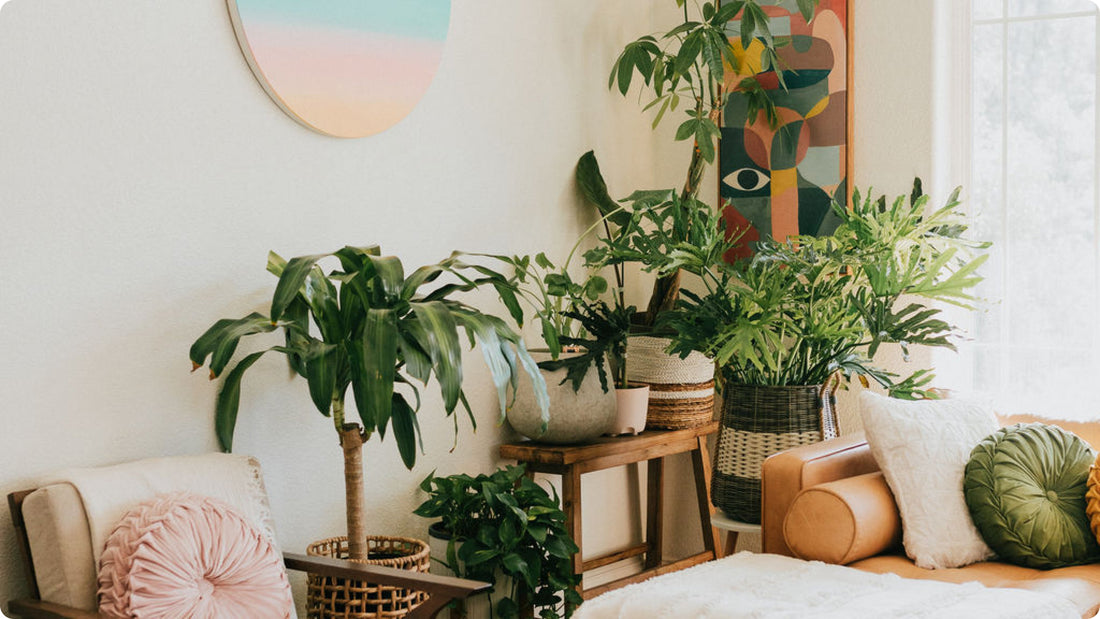
Have you ever found yourself captivated by the striking beauty of the African Mask plant, also known as Alocasia? With its dramatic leaves and vibrant colors, it's no surprise that plant lovers are eager to make this tropical wonder part of their home. But if you share your space with furry friends, you might be wondering—are African Masks safe for pets?
In this article, we'll explore the relationship between African Mask plants and our beloved pets. We'll break down the potential risks, discuss safety tips, and offer suggestions for pet-friendly alternatives. We'll also touch on how to care for these stunning plants, ensuring your home remains a beautiful, safe space for everyone.
Understanding African Masks
The African Mask plant is a member of the Alocasia genus, known for its eye-catching, arrow-shaped leaves with striking white veins. Native to the tropical rainforests of Asia, these plants thrive in warm, humid environments. They're a popular choice for indoor gardening due to their exotic appearance and ability to purify air.
However, their beauty comes with a catch. African Masks contain calcium oxalate crystals, which can pose a risk to pets and humans if ingested. These crystals are sharp and insoluble, leading to irritation and discomfort if they come into contact with sensitive tissues. But don't let this scare you away just yet! With the right precautions, you can still enjoy these plants safely in your home.
Potential Risks to Pets
While Alocasia plants are a feast for the eyes, they're not as kind to the stomachs of our furry friends. If a pet chews on the leaves or stems, they may experience symptoms such as:
- Oral irritation
- Excessive drooling
- Pawing at the mouth
- Vomiting
- Difficulty swallowing
In most cases, these symptoms are mild and temporary. However, severe reactions can occur if a large amount is ingested, especially in smaller animals. If you suspect your pet has nibbled on an African Mask, it's always best to consult your veterinarian for guidance.
Creating a Safe Environment
Ensuring a safe space for both your plants and pets requires a bit of creativity and vigilance. Here are some strategies to minimize risks:
- Placement: Position your African Mask in an area that's out of reach for curious paws and snouts. High shelves or hanging planters can be excellent options.
- Training: Teach your pets to avoid certain areas or items using positive reinforcement techniques. Consistent training can help them understand boundaries.
- Distractions: Provide safe, pet-friendly plants or toys to divert their attention away from your African Mask.
- Barriers: Use decorative screens or plant stands with barriers to keep pets at bay.
Combining these methods can significantly reduce the likelihood of your pets coming into contact with potentially harmful plants.
Pet-Friendly Plant Alternatives
If you're still concerned about the risks, there are plenty of beautiful, pet-friendly alternatives to consider. Here are a few options that won't compromise your home aesthetic:
- Spider Plant: Known for its graceful arching leaves, the spider plant is both non-toxic and easy to care for.
- Boston Fern: These lush ferns are perfect for adding greenery without the worry of toxicity.
- Areca Palm: With its feathery fronds, the areca palm offers a tropical vibe without posing a threat to pets.
- Calathea: Known for its striking foliage, calathea is safe for pets and adds a pop of color to any room.
These alternatives allow you to create a vibrant indoor garden that's safe for everyone under your roof.
Care Tips for African Masks
If you decide to keep an African Mask plant, knowing how to care for it is essential. These plants appreciate a warm, humid environment with indirect light. Here are some tips to keep your plant thriving:
- Lighting: Place your African Mask in a bright spot with filtered light. Avoid direct sunlight, which can scorch the leaves.
- Watering: Keep the soil consistently moist, but not soggy. Water when the top inch of soil feels dry to the touch.
- Humidity: Alocasias love humidity. Consider using a humidifier or placing a tray of water near the plant to increase moisture levels.
- Fertilizing: Feed your plant with a balanced liquid fertilizer every 4-6 weeks during the growing season.
By following these care tips, you can ensure your African Mask remains healthy and vibrant.
Integrating African Masks into Interior Design
African Masks can make a striking addition to your home decor, thanks to their bold foliage and architectural form. When incorporating them into your design, consider these ideas:
- Statement Piece: Use the plant as a focal point in a room. Its unique leaves can draw attention and add drama to your space.
- Pairing with Other Plants: Combine African Masks with other tropical plants to create a lush, layered look.
- Complementary Colors: Pair the deep green leaves with warm, earthy tones or vibrant accents to create a cohesive design scheme.
- Containers: Choose pots that contrast with the plant's colors, such as white or terracotta, to highlight its stunning foliage.
With a bit of creativity, African Masks can elevate your interior design while keeping safety in mind.
Monitoring and Maintenance
Regular monitoring and maintenance are crucial when you have pets and potentially harmful plants in the same space. Here are some ways to ensure everything stays in harmony:
- Frequent Checks: Inspect your plants regularly for signs of damage or stress, which can indicate a pet has been nibbling.
- Pruning: Remove any damaged or yellowing leaves to keep your plant looking its best and reduce the temptation for pets.
- Cleaning: Dust the leaves periodically to allow the plant to photosynthesize effectively and maintain its health.
- Observation: Keep an eye on your pets' behavior around plants to spot any potential issues early on.
By staying attentive, you can enjoy the beauty of your plants while ensuring your pets' safety.
What to Do in Case of Ingestion
If your pet accidentally ingests part of an African Mask plant, it's crucial to act swiftly. Here's a step-by-step guide on what to do:
- Stay Calm: Panicking won't help the situation. Keep a level head so you can take the necessary steps.
- Remove Access: Ensure your pet can no longer reach the plant to prevent further ingestion.
- Assess Symptoms: Look for signs of irritation or distress, such as drooling or vomiting.
- Contact a Vet: Call your veterinarian for advice. They'll guide you on the best course of action based on your pet's symptoms.
- Follow Instructions: Follow any recommendations from your vet, which may include bringing your pet in for an examination.
Being prepared can make a world of difference in ensuring your pet's well-being.
Balancing Beauty and Safety
Finding the right balance between enjoying beautiful plants and keeping your pets safe is key to a harmonious home. With a bit of research and planning, you can have both. By understanding the risks and taking precautions, you can enjoy the lush beauty of African Masks without compromising your pets' safety.
Remember, the goal is to create a home that's as welcoming and comfortable for your pets as it is for you. Whether that means choosing alternative plants or implementing safety measures, your efforts will be rewarded with a thriving, happy environment.
Final Thoughts
We've explored the fascinating African Mask plant, its potential risks to pets, and how to create a safe environment for all. With the right care and precautions, you can enjoy the beauty of these plants while keeping your furry friends safe.
At Cafe Planta, we're passionate about helping you care for your plants and create stunning indoor spaces. Whether you're an experienced plant parent or just starting your journey, we're here to support you. Feel free to reach out via email or Instagram with any questions. Let's nurture our love of plants together and foster a bond with nature and each other.

















