
How To Grow African Spears With Hydroponics
Cafe Planta Team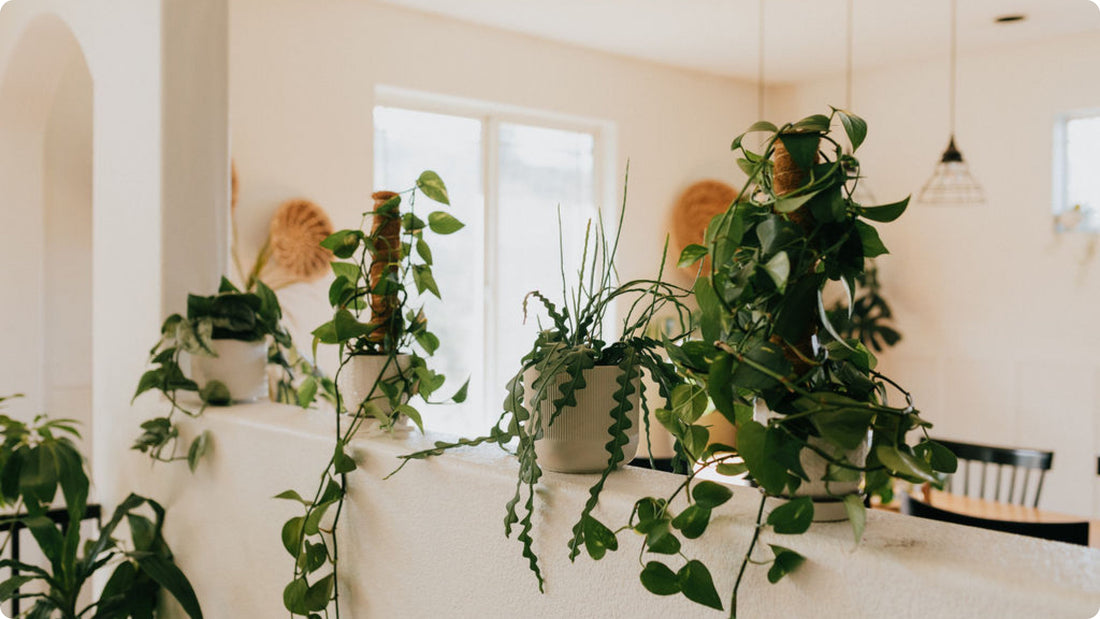
Imagine having a plant that's not only striking but also versatile enough to grow without soil. Enter the African Spear, a unique and visually captivating plant that's perfect for hydroponic growing. Known for its tall, spear-like leaves, this plant can bring a touch of elegance to any space, whether it's your living room, office, or kitchen.
In this post, we're going to take a closer look at how to grow African Spears using hydroponics. From setting up your hydroponic system to daily care tips, we'll cover everything you need to know to ensure your plant thrives. So, if you're ready to add a touch of green to your home in a unique way, let's get started!
Understanding African Spears: A Quick Overview
African Spears, scientifically known as Sansevieria cylindrica, are part of the succulent family. These plants are native to Angola and are cherished for their striking, cylindrical leaves that grow upright, resembling spears. One reason plant lovers are drawn to African Spears is their hardy nature. They can tolerate a wide range of conditions, making them perfect for beginners and experienced plant parents alike.
What's fascinating about African Spears is their ability to adapt to hydroponic systems. Unlike traditional soil-based growing, hydroponics involves growing plants in a water-based, nutrient-rich solution. This method can be particularly beneficial for African Spears, as it allows for controlled nutrient intake, resulting in healthier growth and vibrant foliage.
Setting Up Your Hydroponic System
Before diving into hydroponics, it's essential to set up your system correctly. Here's a step-by-step guide to help you get started:
Choose a Hydroponic System
There are several hydroponic systems available, but for African Spears, a simple wick or water culture system works best. These systems are low-maintenance and ideal for beginners.
- Wick System: This passive system uses a wick to draw nutrient solution from a reservoir to the plant roots. It's simple to set up and requires minimal equipment.
- Water Culture System: In this system, plant roots are suspended in a nutrient solution. An air pump provides oxygen, ensuring roots don't suffocate.
Gather Necessary Supplies
Once you've chosen your system, gather the following supplies:
- A container or reservoir for the nutrient solution
- A net pot or a container with holes for the plant
- A growing medium (such as clay pebbles or perlite)
- A hydroponic nutrient solution
- An air pump (for water culture systems)
Assemble the System
Follow these steps to assemble your hydroponic system:
- Prepare the Container: Fill the reservoir with water and add the hydroponic nutrient solution according to the package instructions.
- Plant Placement: Place your African Spear in the net pot, and surround the roots with the growing medium.
- Set Up the System: For the wick system, insert the wick into the net pot and let it dangle into the solution. For the water culture system, ensure the roots are submerged in the solution, and turn on the air pump.
Choosing the Right Light Conditions
Light is crucial for plant growth, and African Spears are no exception. While they can tolerate low light conditions, they thrive in bright, indirect light. Here's how you can create the best lighting environment for your plant:
Natural Light
Place your African Spear in a location that receives plenty of natural light, such as near a north or east-facing window. Avoid direct sunlight, as it can scorch the leaves, especially during peak hours.
Artificial Light
If your home lacks natural light, consider using artificial lighting. LED grow lights are energy-efficient and can provide the necessary light spectrum for photosynthesis. Position the lights 12-18 inches above the plant, and keep them on for about 10-12 hours a day.
Nutrient Management: Feeding Your African Spears
In hydroponics, plants rely on the nutrient solution for their food, so getting it right is key. Here's how to ensure your African Spears receive the nutrients they need:
Choosing the Right Nutrient Solution
Opt for a nutrient solution specifically designed for hydroponic setups. These solutions contain a balanced mix of essential nutrients, such as nitrogen, phosphorus, and potassium, along with trace elements.
Mixing and Replacing Nutrients
Follow these steps for effective nutrient management:
- Mixing: Always follow the manufacturer's instructions when mixing the nutrient solution. Over-fertilizing can harm your plants.
- Replacement: Replace the nutrient solution every two weeks to prevent nutrient imbalances and salt buildup.
- Monitor pH Levels: Hydroponic systems work best when the pH is between 5.5 and 6.5. Use a pH meter to check levels and adjust as needed.
Maintaining Humidity and Temperature
While African Spears are quite adaptable, maintaining optimal humidity and temperature can boost their growth. Here's how to create the perfect environment:
Humidity
African Spears prefer moderate humidity levels, around 40-50%. If your home is particularly dry, consider using a humidity tray or a small humidifier to increase moisture levels in the air.
Temperature
These plants thrive in temperatures between 65°F and 80°F. Avoid placing them in drafty areas or near heating vents, as sudden temperature changes can stress the plant.
Pruning and Propagation Tips
Pruning helps maintain the shape of your African Spear and encourages healthy growth. Propagation, on the other hand, is an exciting way to expand your plant collection. Here's how to tackle both:
Pruning
Regular pruning removes dead or damaged leaves, preventing disease and pests. Use clean, sharp scissors to cut off any yellowing or brown leaves at the base. This promotes healthier growth and maintains the plant's appearance.
Propagation
Propagation is a breeze with African Spears. Follow these steps for successful propagation:
- Leaf Cuttings: Cut a healthy leaf at the base and let it dry for a day or two to form a callus.
- Place in Water: Once calloused, place the cutting in a small container of water, ensuring the base is submerged.
- Wait for Roots: In a few weeks, roots should start forming. Once they're a few inches long, transfer the cutting to your hydroponic system.
Dealing with Pests and Diseases
Despite their hardy nature, African Spears can occasionally fall victim to pests and diseases. Here's how to keep your plant healthy:
Common Pests
The most common pests are spider mites and mealybugs. Check your plant regularly for signs of pests, such as webbing or white, cottony spots. If you spot any, treat the plant with neem oil or insecticidal soap.
Disease Prevention
Root rot can occur if the plant is overwatered or if the nutrient solution isn't replaced regularly. Ensure your hydroponic system has proper drainage and aeration to prevent waterlogging. If root rot occurs, trim affected roots and replace the nutrient solution.
Designing Your Space with African Spears
Not only are African Spears easy to care for, but they also make a stunning addition to your home decor. Here are some ideas on how to incorporate them into your space:
Standalone Statements
Place a single African Spear in a stylish pot on a windowsill or tabletop as a statement piece. Their vertical growth pattern adds height and drama to any room.
Clustered Arrangements
For a more dynamic look, group several African Spears together. Vary the heights and styles of the pots for added visual interest. This setup works well on shelves or as a centerpiece on a dining table.
Pairing with Other Plants
African Spears pair beautifully with other houseplants. Consider combining them with trailing plants like pothos or ivy for contrast. This creates a lush, layered effect that's both modern and inviting.
Common Mistakes and How to Avoid Them
Even with the best intentions, it's easy to make mistakes when starting with hydroponics. Here are some common pitfalls and how to sidestep them:
Overwatering
Believe it or not, overwatering can occur in hydroponics if the system isn't well-aerated. Ensure your setup allows for proper oxygenation to prevent root rot.
Ignoring pH Levels
pH levels play a crucial role in nutrient absorption. Regularly check and adjust the pH to keep it within the optimal range for African Spears.
Skipping Nutrient Solution Changes
It's tempting to let the nutrient solution sit for too long, but this can lead to nutrient imbalances. Set a reminder to change the solution every two weeks.
Final Thoughts
Growing African Spears with hydroponics is a delightful and rewarding journey. By understanding their needs and setting up your system correctly, you can enjoy these striking plants in your home for years to come.
At Cafe Planta, we're passionate about helping you create a thriving plant collection. Whether you're looking for unique houseplants or need plant care advice, we're here to support you. Feel free to email us or reach out on Instagram. We believe in the power of plants to bring people together, and we're excited to share our love of plants with you.

















