
Are Alocasia Pollys Pet Friendly?
Cafe Planta Team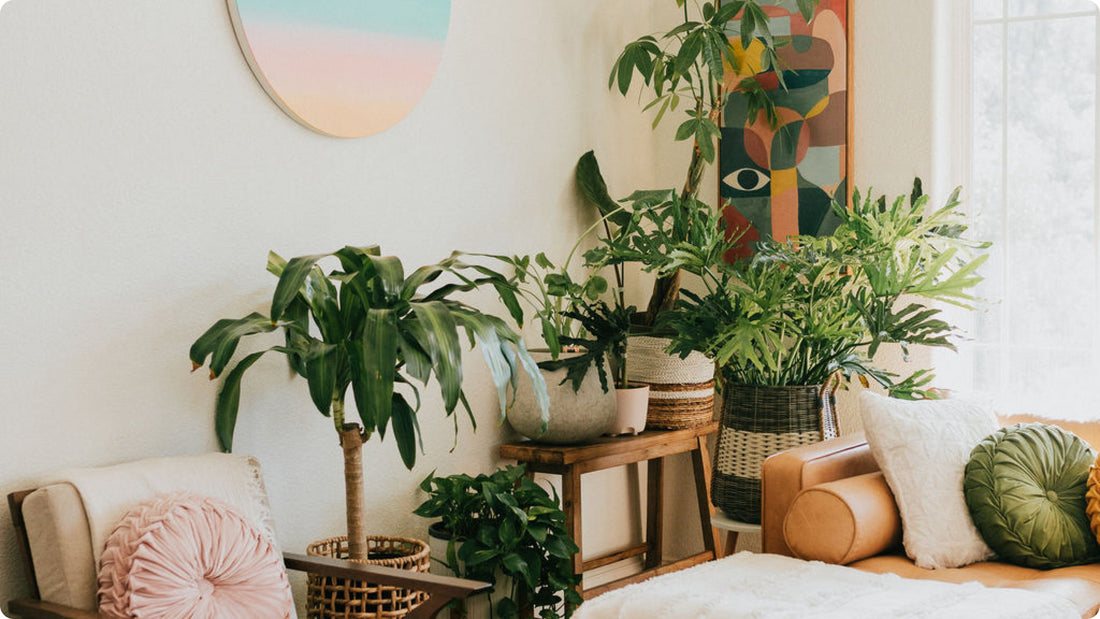
Ah, the Alocasia Polly! With its striking arrowhead leaves and bold veins, this plant is a favorite among many houseplant lovers. But if you're a pet owner, you might find yourself wondering: Is this beauty safe for my furry friends? After all, balancing a love for plants with the well-being of our pets is a juggling act many of us know all too well.
In this article, we’re going to dig into whether Alocasia Polly is pet-friendly, along with tips on how to keep both plants and pets happy under the same roof. We’ll also cover how to care for this stunning plant and create a home that’s both a green oasis and a safe haven for your pets.
Is Alocasia Polly Safe for Pets?
The short answer is no, Alocasia Polly is not pet-safe. Like many other plants in the Araceae family, Alocasia Polly contains calcium oxalate crystals. These tiny, needle-like substances can cause irritation to the mouth, throat, and stomach if ingested by pets.
If your cat or dog happens to nibble on an Alocasia Polly leaf, you might notice some telltale signs. These can include drooling, pawing at the mouth, vomiting, and in some cases, difficulty swallowing. While these symptoms are usually not life-threatening, they can be uncomfortable for your pet, and it’s always a good idea to consult a vet if you suspect your pet has taken a bite.
That said, it doesn’t mean you have to choose between your plant and your pet. There are ways to keep Alocasia Polly and your furry companions under the same roof safely. Let's look at some strategies to prevent unwanted nibbles.
Strategic Placement of Your Alocasia Polly
One of the simplest ways to ensure your Alocasia Polly is out of reach from curious pets is by placing it in a strategic location. Think about spots that are elevated or less accessible to your furry friends. High shelves, plant stands, or hanging planters are fantastic options to keep your plant safe and sound.
When considering the placement, keep in mind the light needs of Alocasia Polly. This plant thrives in bright, indirect light, so a sunny spot near a window can be ideal. Just make sure it’s not in direct sunlight for too long, as this can scorch the leaves. Finding that balance between light and pet safety might take a bit of trial and error, but it’s well worth the effort.
If you have particularly adventurous pets, you might need to get a bit creative. Some plant parents use decorative barriers or indoor fences to create a plant-safe zone. It’s all about finding what works best for your home and your pets’ personalities.
Training Your Pets to Avoid Plants
Training your pets to stay away from plants can be an effective way to prevent mishaps. Positive reinforcement is a great tool here. Whenever your pet shows interest in the plant area but doesn’t approach, reward them with treats or praise. This helps them associate staying away from plants with positive outcomes.
For more persistent pets, you might consider using pet-safe deterrents. Citrus sprays or placing citrus peels around your plants can deter some animals, as they generally dislike the smell. Remember, every pet is different, so it might take some experimenting to find what works best for yours.
Consistency is key. Regular training sessions and keeping a watchful eye on your pets can gradually teach them to avoid the plants. And of course, always reward good behavior!
Caring for Your Alocasia Polly
Now that we’ve covered pet safety, let’s talk about how to care for your Alocasia Polly. This plant isn’t just a pretty face—it has specific needs to keep it looking its best.
Light and Temperature
Your Alocasia Polly will thrive in bright, indirect light. Think of it like a sunbather who’s not too fond of getting sunburned. A spot near a window with filtered light is ideal. If the leaves start to look a bit pale, it might be a sign that it’s not getting enough light, so consider moving it to a brighter location.
Temperature is another important factor. Alocasia Polly prefers a warm environment, typically between 65°F and 80°F. Cold drafts or sudden temperature changes can stress the plant, so keep it away from windows or doors that might get chilly in the winter.
Watering and Humidity
Watering can be one of the trickier parts of plant care, especially with Alocasia Polly. This plant likes its soil to be consistently moist, but not soggy. A good rule of thumb is to water when the top inch of soil feels dry to the touch. Overwatering can lead to root rot, so make sure your pot has drainage holes to let excess water escape.
Humidity is another thing to consider. Alocasia Polly loves a humid environment, so if your home is on the drier side, you might want to mist the leaves occasionally or use a humidity tray. Grouping plants together can also help create a mini humid microclimate.
Soil and Potting Tips
Choosing the right soil is crucial for your Alocasia Polly. It thrives in a well-draining soil mix that retains some moisture without becoming waterlogged. A mix of potting soil, perlite, and orchid bark can provide the ideal balance.
When it comes to potting, make sure your container has good drainage. This plant doesn’t like to sit in water, so a pot with drainage holes is a must. If you notice roots poking out of the drainage holes or the plant seems to be growing slowly, it might be time to repot. Aim to do this every couple of years, ideally in the spring when the plant is entering its growing season.
Dealing with Common Pests and Problems
No plant is completely immune to pests, and Alocasia Polly is no exception. Common culprits include spider mites, aphids, and mealybugs. Regularly inspecting your plant can help catch these pests early before they become a bigger problem.
If you do spot pests, there are several ways to tackle the issue. For minor infestations, a gentle wipe with a damp cloth can remove pests from the leaves. For more persistent problems, consider using an insecticidal soap or neem oil, both of which are effective and safe for indoor use.
Yellowing leaves can be another issue, often caused by overwatering or insufficient light. Adjusting your care routine can usually resolve these problems, but if yellowing persists, check for root rot or other underlying issues.
Incorporating Alocasia Polly into Your Home Design
Alocasia Polly can be a striking addition to your home decor, thanks to its unique leaves and bold presence. Whether you’re going for a tropical vibe or a minimalist aesthetic, this plant can fit right in.
Consider pairing it with other plants that have contrasting leaf shapes or colors for a dynamic display. The deep green of Alocasia Polly can look stunning alongside plants with variegated or lighter foliage, like a Pothos or a Peace Lily.
You can also play around with decorative pots or stands to make your Alocasia Polly a focal point. Whether you opt for a modern, sleek pot or something with a bit more character, the right container can really make your plant pop.
Creating a Pet-Safe Plant Collection
If you’re a plant lover with pets, balancing both can be a bit of a dance. But don’t worry, it’s entirely possible to have a pet-safe plant collection without sacrificing style or variety.
Consider incorporating pet-friendly plants such as:
- Spider Plant: Non-toxic and easy to care for, making it a great choice for beginners.
- Bamboo Palm: Adds a tropical feel without posing a risk to pets.
- Boston Fern: Safe for pets and excellent for adding a lush touch to your home.
Pairing these with your Alocasia Polly can create a diverse and visually appealing indoor garden. Just remember to keep any non-pet-friendly plants out of reach to prevent any accidents.
What To Do If Your Pet Eats Alocasia Polly
If your pet does manage to take a nibble of your Alocasia Polly, it’s important to act quickly. First, try to remove any remaining plant material from your pet’s mouth to prevent further irritation.
Next, offer them some fresh water to rinse out their mouth and help soothe any discomfort. Keep an eye on them for any signs of distress, like drooling or vomiting, and contact your veterinarian for advice. They can provide guidance and determine if any further action is necessary.
In most cases, symptoms are mild and resolve on their own, but it’s always best to err on the side of caution and seek professional advice.
Final Thoughts
Balancing a love for plants with pet care can be a bit tricky, but with some careful planning, you can enjoy both. Alocasia Polly may not be pet-friendly, but that doesn’t mean you have to give up this stunning plant. With the right precautions, it can thrive in a home with pets.
At Cafe Planta, we’re all about helping you create a beautiful, thriving plant collection in your home. Whether you’re an experienced plant parent or just starting out, we’re here to support you. If you have any questions about plant care, feel free to email us or send us a message on Instagram. We believe that plants have the power to bring people together, and we’re excited to share our passion with you!

















