
How To Grow Aloe Veras With Hydroponics
Cafe Planta Team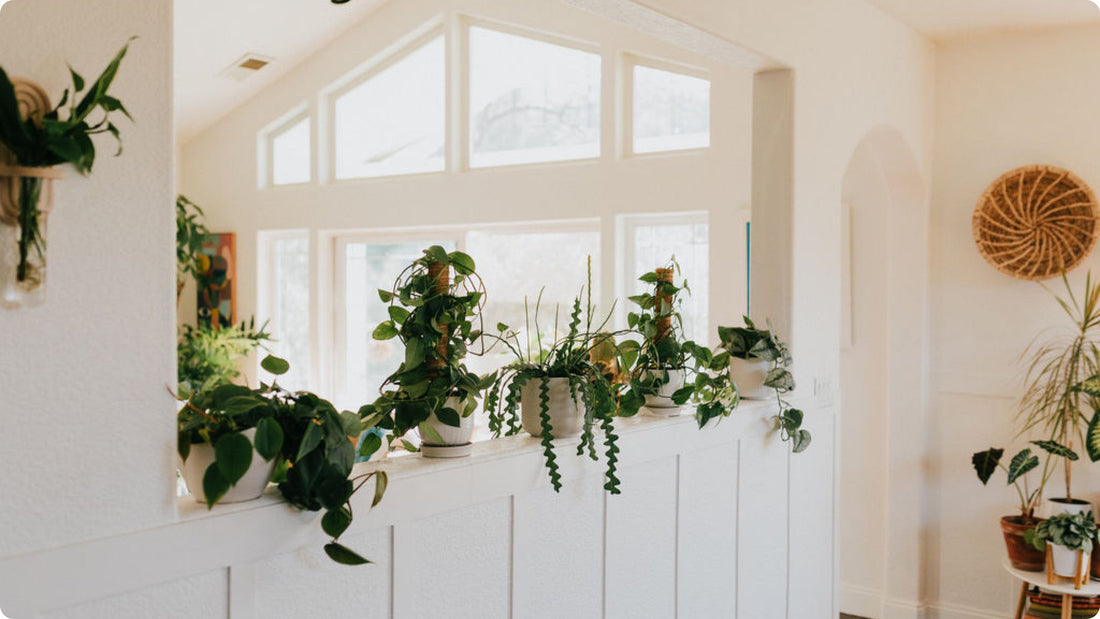
Growing Aloe Vera using hydroponics might sound like a science experiment, but it's actually a fun and rewarding way to cultivate this beloved plant. Hydroponics allows you to grow plants without soil, using nutrient-rich water instead. This method can offer Aloe Vera a clean, controlled environment to thrive.
In this post, we'll explore the process step-by-step, from setting up your hydroponic system to harvesting your Aloe Vera. By the end, you'll have all the knowledge you need to successfully grow Aloe Vera hydroponically and bring a touch of green to your home.
Understanding Hydroponics: The Basics
Before we dive into the specifics of growing Aloe Vera hydroponically, let's get familiar with hydroponics itself. At its core, hydroponics is a method of growing plants without soil. Instead, plants are grown in a nutrient-rich water solution that provides everything they need to grow. This technique has been used for centuries and is gaining popularity due to its efficiency and sustainability.
There are different types of hydroponic systems, such as nutrient film technique (NFT), deep water culture (DWC), and aeroponics, to name a few. Each system has its own set of benefits and is suited for various types of plants. For Aloe Vera, a simple DWC system often works best, as it allows the plant's roots to be submerged in a nutrient solution.
Now, you might be wondering why anyone would want to grow Aloe Vera hydroponically. Well, there are several advantages:
- Space-saving: Hydroponic systems can be set up vertically or in small spaces, making them ideal for urban dwellers.
- Water-efficient: These systems often use less water than traditional soil gardening, as the water is recirculated.
- Faster growth: With the right nutrients, plants can grow faster and healthier.
With these benefits in mind, let's get started on setting up your own hydroponic system for Aloe Vera.
Setting Up Your Hydroponic System
Setting up a hydroponic system might seem intimidating at first, but with a little guidance, you'll be ready to grow Aloe Vera in no time. Here's a simple breakdown of what you'll need to get started:
1. Choose the Right System
For Aloe Vera, a Deep Water Culture (DWC) system is often the best choice. This system is simple to set up and maintain, making it perfect for beginners. You'll need a container, an air pump, air stones, and a growing medium like clay pebbles or coco coir.
2. Gather Your Supplies
- Container: A plastic tub or bucket will work as the reservoir for your nutrient solution.
- Air Pump and Air Stones: These will oxygenate the water and keep the roots healthy.
- Growing Medium: Clay pebbles or coco coir provide support for the plant.
- Nutrient Solution: A balanced hydroponic nutrient mix suitable for Aloe Vera.
3. Assemble the System
Place the air stones at the bottom of the container and connect them to the air pump. Fill the container with the nutrient solution, ensuring the water level is high enough to submerge the roots but not the plant's base. Add your growing medium to support the Aloe Vera, and you're ready to plant!
With your system in place, it's time to move on to the exciting part—growing your Aloe Vera.
Planting Aloe Vera in Hydroponics
Now that your hydroponic system is ready, it's time to introduce your Aloe Vera plant. Here's how to do it properly:
1. Choose Your Aloe Vera
Select a healthy Aloe Vera plant or pup (a smaller offshoot from a mature plant). Ensure it's free of pests and diseases, with vibrant green leaves and a strong root system.
2. Prepare the Plant
Gently remove the Aloe Vera from its pot, being careful not to damage the roots. Rinse the roots thoroughly to remove any soil. This step is crucial, as soil particles can clog the hydroponic system. You might feel like you're giving the plant a spa treatment—and in a way, you are!
3. Plant in the Hydroponic System
Place the Aloe Vera in the growing medium, ensuring the roots are fully submerged in the nutrient solution. The base of the plant should be above the water to prevent rot. Pat the growing medium around the plant to secure it in place. Now, watch your Aloe Vera settle into its new home!
With your Aloe Vera comfortably planted, let's explore how to care for it in a hydroponic environment.
Caring for Hydroponic Aloe Vera
Growing Aloe Vera hydroponically requires some adjustments compared to traditional soil gardening. Here are some tips to ensure your plant stays healthy and happy:
1. Monitor Nutrient Levels
The nutrient solution is the lifeline of your hydroponic system. Check the pH and nutrient levels regularly to ensure they remain within the optimal range for Aloe Vera. A pH of 6.0 to 6.5 is ideal. Adjust as needed using pH up or down solutions.
2. Provide Adequate Light
Aloe Vera loves sunlight, so position your hydroponic system near a sunny window or use artificial grow lights. Aim for 6-8 hours of light daily to keep your plant thriving. If your Aloe Vera starts to stretch, it may need more light. Think of it as a sunbathing enthusiast who can't get enough rays!
3. Maintain Temperature and Humidity
Aloe Vera prefers temperatures between 65°F and 75°F. Avoid placing your system near drafts or heating vents, as sudden temperature changes can stress the plant. While Aloe Vera is forgiving of lower humidity, maintaining moderate humidity levels can promote healthy growth.
With these care tips, your Aloe Vera should flourish in its hydroponic habitat. Let's look at common challenges and how to troubleshoot them.
Common Challenges and Troubleshooting
Every gardener faces challenges, and hydroponic gardening is no exception. Here are some common issues you might encounter with Aloe Vera and how to address them:
1. Root Rot
Root rot is a common problem in hydroponics, often caused by overwatering or poor aeration. If you notice mushy, discolored roots, act quickly:
- Remove the affected roots and rinse the remaining healthy roots.
- Ensure your air pump and stones are working properly to oxygenate the water.
- Consider using a root rot treatment or beneficial bacteria to prevent future outbreaks.
2. Nutrient Deficiencies
If your Aloe Vera shows signs of nutrient deficiencies, such as yellowing leaves or stunted growth, it's time to adjust the nutrient solution:
- Check the nutrient levels and pH of the solution.
- Ensure you're using a hydroponic nutrient mix suitable for Aloe Vera.
- Adjust the nutrient levels based on the plant's response.
3. Pest Infestations
While less common in hydroponics, pests can still find their way to your Aloe Vera. Keep an eye out for common culprits like aphids and spider mites:
- Use insecticidal soap or neem oil to treat infestations.
- Maintain a clean growing environment to prevent pests from returning.
With these troubleshooting tips, you'll be well-equipped to handle any issues that arise. Let's move on to harvesting your Aloe Vera.
Harvesting Aloe Vera
One of the joys of growing Aloe Vera is harvesting its leaves for their soothing gel. Here's how to do it without harming the plant:
1. Identify Mature Leaves
Look for leaves that are thick and healthy, typically the outermost ones. These leaves contain the most gel and are ready for harvest.
2. Harvest Carefully
Using a clean, sharp knife or scissors, cut the leaf close to the base of the plant. Avoid cutting too close to the stem to prevent damage. It's like giving your Aloe Vera a stylish trim!
3. Store and Use the Gel
Peel the leaf to access the gel inside. You can store the gel in an airtight container in the fridge for a week or two. Use it for sunburns, skin irritations, or even in smoothies for a health boost.
With proper harvesting techniques, your Aloe Vera plant will continue to thrive and produce more leaves. Now, let's explore how to incorporate Aloe Vera into your home decor.
Incorporating Aloe Vera in Home Decor
Aloe Vera isn't just a useful plant; it's also an attractive addition to your home decor. Here are some creative ways to showcase your Aloe Vera:
1. Stylish Containers
Choose decorative pots or containers that complement your decor style. Aloe Vera looks stunning in ceramic, glass, or even upcycled containers. Get creative—your plant deserves a chic home!
2. Group with Other Plants
Create a lush display by grouping Aloe Vera with other succulents or houseplants. Mix and match different textures and heights for an eye-catching arrangement. It's like creating a mini indoor garden!
3. Use as a Focal Point
Place your Aloe Vera in a prominent spot, such as a coffee table or shelf, to serve as a focal point in the room. Its striking form and vibrant color can instantly elevate any space.
With these decor ideas, your Aloe Vera will not only be functional but also a beautiful part of your home. Let's wrap up with some final thoughts.
Final Thoughts
Growing Aloe Vera hydroponically offers a unique and rewarding experience. From setting up your system to caring for and harvesting the plant, each step brings you closer to enjoying the benefits of this versatile succulent.
At Cafe Planta, we love helping plant lovers create beautiful, thriving collections in their homes. Whether you're new to the plant world or a seasoned pro, we're here to support your journey. If you have any questions, feel free to email us or reach out on Instagram. Let's grow together!

















