
Are Asparagus Ferns Pet Friendly?
Cafe Planta Team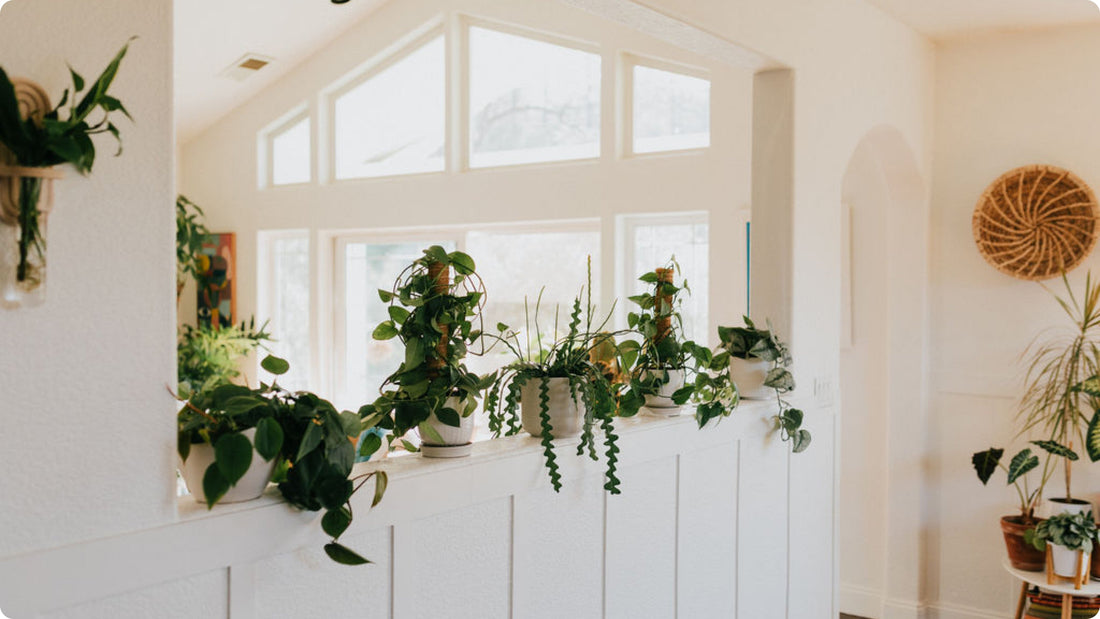
Asparagus ferns are a popular choice among plant lovers for their feathery, delicate foliage and easy-care nature. However, if you're a pet owner, you might find yourself wondering if this plant is safe to have around your furry friends. So, are asparagus ferns pet-friendly?
This article will explore everything you need to know about asparagus ferns and their compatibility with pets. We'll cover safety concerns, how to create a pet-friendly environment, and some plant care tips to keep both your plants and pets happy.
Understanding Asparagus Ferns
Let's kick things off by getting to know asparagus ferns a bit better. Despite their name, asparagus ferns aren't true ferns. They're actually part of the lily family and are more closely related to asparagus (hence the name). These plants are known for their cascading, needle-like leaves, which can add a touch of elegance to any room.
Asparagus ferns are quite adaptable, thriving in various indoor conditions. They prefer bright, indirect light but can tolerate lower light levels, making them a versatile choice for different spots around your home. They're also relatively low-maintenance, needing watering only when the top inch of soil feels dry.
Their hardy nature makes them a favorite among new plant parents and seasoned enthusiasts alike. But if you're a pet owner, you'll want to consider more than just their care requirements.
Are Asparagus Ferns Toxic to Pets?
Unfortunately, the answer to this question is yes. Asparagus ferns are toxic to both cats and dogs. This is mainly due to the presence of sapogenins, a type of steroid found in the plant's berries and leaves. If ingested, these compounds can cause various symptoms in pets, ranging from mild to severe.
Common symptoms of asparagus fern ingestion in pets include:
- Vomiting
- Diarrhea
- Abdominal pain
- Skin irritation (if the plant's sap comes into contact with the skin)
In severe cases, the symptoms can be more pronounced, leading to dehydration or more serious health issues. If you suspect your pet has ingested parts of an asparagus fern, it's crucial to contact your veterinarian immediately for advice and potential treatment.
Creating a Pet-Friendly Environment
Now that we know asparagus ferns aren't pet-safe, it's important to think about how to create a harmonious living space for both your plants and pets. Here are some strategies to help you achieve that balance:
Place Plants Out of Reach
One of the simplest solutions is to place your asparagus ferns in spots that your pets can't reach. Consider hanging planters, high shelves, or wall-mounted plant holders. This keeps your plants safe from curious paws and helps maintain a clean look in your home.
Use Plant Barriers
If your pet is particularly determined, you might need to create a physical barrier around your plants. Decorative screens, trellises, or even a simple plant stand with a protective cover can help keep pets at bay.
Training and Distraction
Training your pets to stay away from certain areas can be effective, especially for dogs. Use positive reinforcement techniques to teach them that plants are off-limits. For cats, providing alternative distractions like cat grass or interactive toys can redirect their attention away from your plants.
Alternatives to Asparagus Ferns
If you've decided to avoid the risk altogether, consider replacing your asparagus ferns with pet-safe alternatives. There are plenty of beautiful, non-toxic plants to choose from that can still provide that lush, green aesthetic.
Here are a few pet-friendly options to consider:
- Spider Plant (Chlorophytum comosum): Known for their air-purifying qualities, spider plants are safe for pets and easy to care for.
- Bamboo Palm (Chamaedorea seifrizii): This elegant palm is non-toxic and adds a tropical vibe to any space.
- Boston Fern (Nephrolepis exaltata): A true fern that's safe for pets, Boston ferns thrive in humid environments.
Switching to these pet-friendly options can give you peace of mind while still allowing you to enjoy the beauty of indoor greenery.
Caring for Your Asparagus Fern
If you're determined to keep your asparagus fern (and who could blame you? They're gorgeous!), proper care is essential to ensure it thrives without posing a risk to your pets.
Watering and Humidity
Asparagus ferns enjoy a bit of humidity, so mist them occasionally or keep a small humidifier nearby. When it comes to watering, let the top inch of soil dry out before giving them a drink. Overwatering can lead to root rot, which is never fun to deal with.
Light Requirements
These ferns prefer bright, indirect light. A spot near a north or east-facing window is usually ideal. Too much direct sunlight can scorch their delicate leaves, while too little light can cause them to become leggy.
Fertilization
During the growing season (spring and summer), you can feed your asparagus fern with a balanced, water-soluble fertilizer every few weeks. This helps promote healthy growth and keeps your plant looking its best.
Dealing with Pests
While asparagus ferns are generally hardy, they can fall victim to common houseplant pests like spider mites, aphids, and mealybugs. If you notice any unwelcome visitors, take action to prevent them from spreading.
Natural Pest Control
Start by removing any visible pests with a gentle spray of water. You can also use a cotton swab dipped in rubbing alcohol to wipe away pests. For a more natural approach, neem oil is a great option. It's non-toxic to pets and can deter a range of pests without harming your plant.
Regular Monitoring
Regularly inspect your plants for signs of pest activity. Look for tiny webs, sticky residue, or discolored leaves. Early detection is key to preventing a full-blown infestation.
Fungal Issues and Solutions
Asparagus ferns can also face fungal problems, especially in humid environments. Common issues include root rot and powdery mildew.
Preventing Root Rot
To prevent root rot, ensure your pot has adequate drainage. Avoid letting your plant sit in water, and use a well-draining soil mix. If you notice any signs of root rot, such as yellowing leaves or a mushy stem, act quickly by trimming away affected roots and repotting your plant in fresh soil.
Addressing Powdery Mildew
Powdery mildew appears as a white, powdery substance on leaves. If you spot it, increase air circulation around your plant and reduce humidity. You can also use a fungicide designed for houseplants to treat the affected areas.
Interior Design with Asparagus Ferns
Despite their toxicity to pets, asparagus ferns can still play a significant role in interior design if you take the right precautions. Their graceful foliage makes them perfect for adding a touch of greenery to various decor styles.
Boho-Chic Spaces
The airy, flowing nature of asparagus ferns fits perfectly with boho-chic interiors. Pair them with macramé plant hangers, vintage rugs, and eclectic furnishings for a laid-back, inviting atmosphere.
Modern Minimalism
For a sleek, modern look, use asparagus ferns to soften the edges of minimalistic spaces. A simple white pot can make the vibrant green of the fern pop, adding a subtle yet striking element to your decor.
Rustic Charm
If rustic charm is your style, combine asparagus ferns with natural materials like wood and stone. Their natural elegance complements a cozy, farmhouse aesthetic beautifully.
Balancing Plant Care and Pet Safety
Ultimately, the key to balancing plant care and pet safety lies in careful planning and a bit of creativity. With some thoughtful placement and a dash of training, you can enjoy the beauty of asparagus ferns without compromising your pet's well-being.
Remember, your pets' health should always come first. If you ever have doubts about a plant's safety, consult with a veterinarian or consider switching to a pet-friendly alternative.
Final Thoughts
In summary, while asparagus ferns are a stunning addition to any home, they aren't the best choice if you have pets. Their potential toxicity means you'll need to take extra precautions to keep your furry friends safe.
At Cafe Planta, we understand the joy plants bring and are here to help you navigate the world of houseplants. Whether you're looking for pet-friendly options or need some plant care advice, feel free to reach out via email or Instagram. Let's grow and create beautiful spaces together!

















