
How To Grow Autumn Ferns With Hydroponics
Cafe Planta Team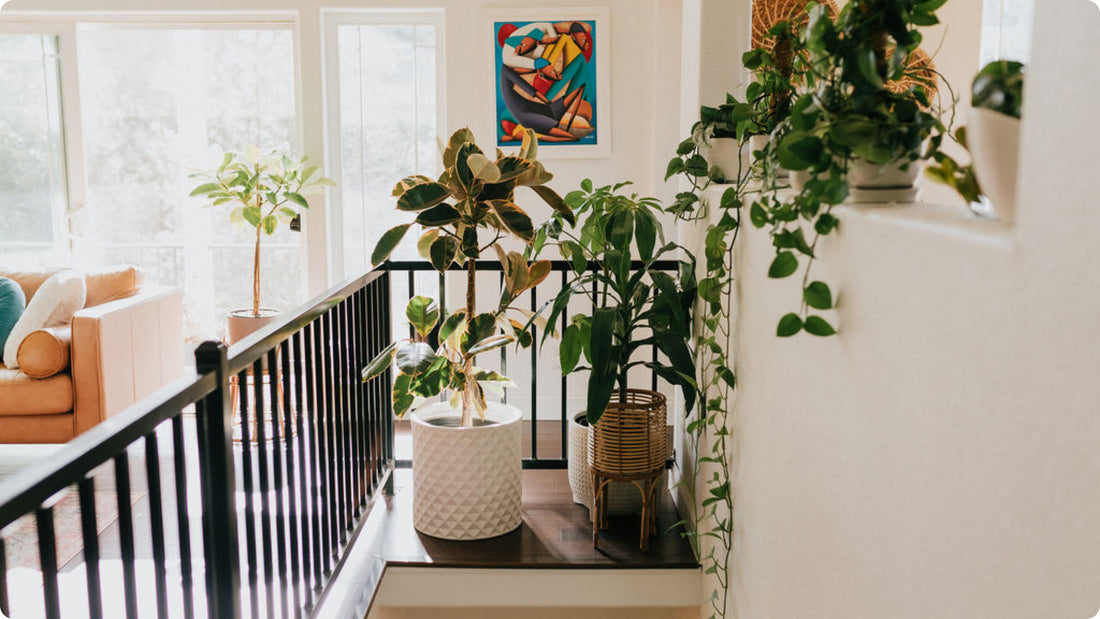
Imagine having a lush green autumn fern thriving indoors without soil! Sounds intriguing, right? Hydroponics, a method of growing plants without traditional soil, is becoming increasingly popular, and for a good reason. It’s clean, efficient, and can produce some stunning results with the right care and attention.
In this article, we'll walk you through the entire process of growing autumn ferns using hydroponics. We’ll explore everything from setting up your hydroponic system to maintaining your ferns for optimal health. Whether you’re new to hydroponics or a seasoned plant parent, there’s something here for everyone.
Understanding Autumn Ferns
Before diving into the setup, let's talk about the star of our show—the autumn fern. Known scientifically as Dryopteris erythrosora, this fern is beloved for its vibrant bronze-colored new growth that matures into a rich green. Native to Asia, it’s a favorite among plant people for its hardiness and stunning color transitions.
Autumn ferns are relatively low-maintenance, which makes them a fantastic choice for hydroponic growth. They thrive in moist environments, so hydroponics can mimic their natural habitat. As these ferns prefer indirect light, they’re perfect for brightening up those shadier corners of your home.
Getting the conditions right is crucial for these ferns. They enjoy humidity and moderate temperatures, ideally between 60°F and 75°F. If you can provide these conditions alongside the proper hydroponic setup, you’ll have a happy fern.
Setting Up Your Hydroponic System
Starting a hydroponic garden might seem a bit overwhelming, but it’s simpler than you think. You just need a few basic components to get started. Here’s a quick rundown of what you’ll need:
- Container or Reservoir: This holds the water and nutrient solution. It can be as simple as a plastic tub or a specialized hydroponic setup.
- Growing Medium: Unlike soil, you'll use materials like clay pellets, rock wool, or perlite to support the plant’s roots.
- Net Pots: These hold your ferns and growing medium, allowing roots to access the nutrient solution.
- Air Pump and Air Stone: These keep the water oxygenated, which is vital for root health.
- Nutrient Solution: Since you’re not using soil, this provides all the essential nutrients your ferns will need.
Start by setting up your container and filling it with water. Add the air stone to keep the water moving and oxygenated. Place your fern in the net pot with your chosen growing medium, ensuring the roots can reach the water. Add the nutrient solution according to the instructions on the label.
Choosing the Right Nutrients
Feeding your plants without soil might sound tricky, but it’s all about balance. In hydroponics, nutrient solutions replace the soil's role in supplying essential elements. Here’s what to consider:
Macro and Micronutrients: Your autumn fern will need a mix of macro (nitrogen, phosphorus, potassium) and micronutrients (iron, magnesium, calcium, etc.). Many commercial hydroponic solutions come pre-mixed, making this step easier.
pH Levels: Keep an eye on the pH of your nutrient solution. Autumn ferns prefer a slightly acidic environment, around 5.5 to 6.5. You can adjust the pH using pH up or down solutions available at garden centers.
Concentration: Follow the instructions on your nutrient solution for the right concentration. Too much can burn the roots, while too little won’t provide enough nourishment.
Check your solution regularly. A simple pH and nutrient meter can help you keep everything in balance, ensuring your fern has what it needs to thrive.
Lighting Requirements for Autumn Ferns
Lighting is crucial in any plant setup, and autumn ferns have their own preferences. While they thrive in indirect light, you can use artificial lighting if your home doesn’t have enough natural light.
If you opt for artificial lighting, fluorescent grow lights are a good choice. They provide the right spectrum of light without producing excessive heat, which can be harmful. Position the lights about 12-18 inches from the ferns, adjusting as needed based on growth and health. Aim for about 12-14 hours of light each day, mimicking their natural environment.
Remember, too much direct sunlight can scorch the leaves, leading to browning and damage. If you notice your fern showing signs of light stress, like fading color or crispy edges, consider adjusting the light intensity or duration.
Maintaining Your Hydroponic Autumn Fern
Maintenance is a breeze once everything is set up, but there are a few things to keep in mind to ensure your fern stays healthy:
- Water Changes: Change the water in your reservoir every two weeks to prevent bacteria buildup and maintain nutrient levels.
- Monitor Growth: Keep an eye on root growth. If they outgrow the net pot, consider transferring them to a larger setup.
- Pest Control: While hydroponics reduces the risk of soil-borne pests, watch for common issues like aphids or spider mites. Neem oil or insecticidal soap can be effective treatments.
Regularly check the leaves for any signs of stress or disease. Prune dead or damaged leaves to encourage new growth and keep your fern looking its best.
Troubleshooting Common Issues
Even with the best care, problems can arise. Here are some common issues and tips on how to address them:
Yellowing Leaves: This can be a sign of nutrient deficiency or pH imbalance. Check your nutrient solution and pH levels, adjusting as necessary.
Stunted Growth: If your fern isn’t growing, it might be due to a lack of nutrients or insufficient light. Review your setup to ensure it meets all the needs of the plant.
Root Rot: Overwatering or poor oxygenation can lead to root rot. Ensure your air pump is functioning properly and that the roots are not sitting in stagnant water.
Don’t be discouraged by these hiccups. Adjusting your setup and learning from these challenges is all part of the hydroponic journey.
Incorporating Autumn Ferns into Your Home Decor
Now that you’ve got your autumn fern thriving, it’s time to think about how it fits into your home decor. These ferns are not only functional but also add a touch of natural beauty to any space.
Consider placing your hydroponic setup in a decorative pot or container to match your home’s aesthetic. You can also use moss or decorative stones to cover the growing medium, adding a polished look.
Autumn ferns work well in a variety of settings. Place them on bookshelves for a pop of green or use them as a centerpiece on your dining table. Their vibrant colors can complement a neutral color palette, adding warmth and interest.
Keep in mind the lighting needs of your ferns when deciding on placement. Ensure they receive enough indirect light to maintain their color and health.
Benefits of Hydroponic Gardening
Hydroponics offers several advantages over traditional soil gardening. Here are a few reasons why you might want to consider this method:
- Space-Saving: Hydroponics is ideal for small spaces, allowing you to grow plants vertically or in compact systems.
- Water Efficiency: It uses significantly less water than traditional gardening since the system recycles water.
- Faster Growth: Plants often grow faster in hydroponics due to direct access to nutrients and water.
- Cleaner Environment: No soil means less mess, making it perfect for indoor gardening.
These benefits make hydroponics an appealing option for those looking to grow plants indoors, especially in urban settings where space is limited.
Final Thoughts
Growing autumn ferns with hydroponics is a rewarding experience that combines the beauty of these plants with the efficiency of soilless gardening. By following the tips and steps outlined above, you’ll have a thriving, vibrant fern that enhances your home.
At Cafe Planta, we’re passionate about helping you succeed in your plant journey. Whether you’re looking for new plants, care accessories, or even some plant-themed apparel, we've got you covered. If you have questions or just want to share your progress, feel free to email us or drop a message on our Instagram. We believe in the power of plants to connect and inspire, and we’re here to help you cultivate a beautiful, thriving plant collection.

















