
How To Grow Bird's Nest Anthuriums With Hydroponics
Cafe Planta Team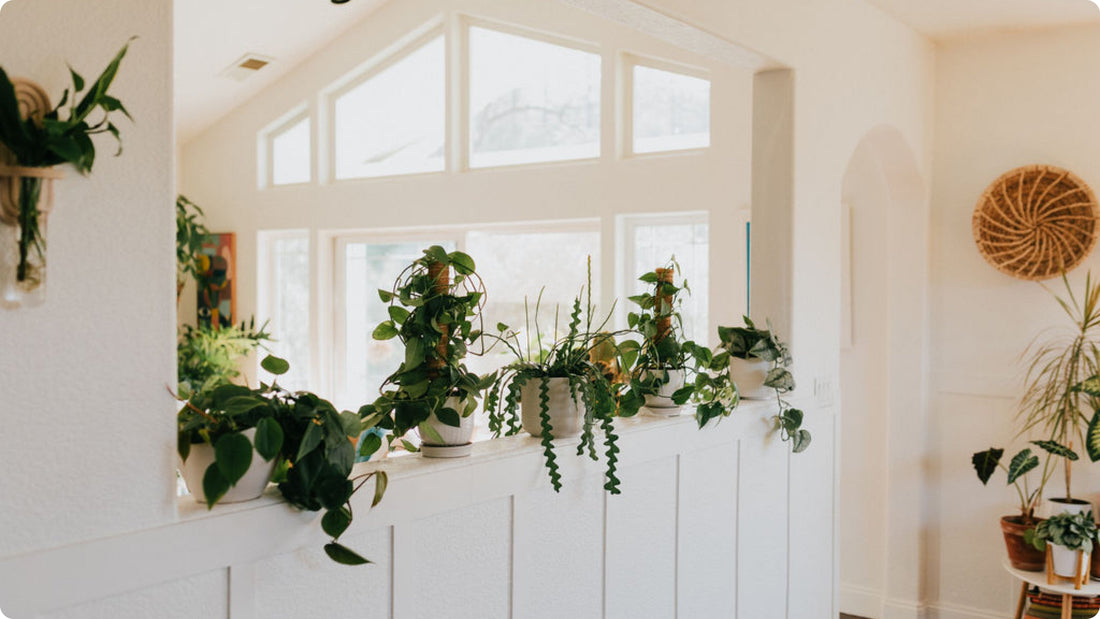
Bird's Nest Anthuriums, with their striking foliage and easy-going nature, have captured the hearts of many plant lovers. But did you know you can grow them using hydroponics instead of soil? Hydroponics offers a fascinating way to grow plants by using nutrient-rich water, and it can be especially rewarding for a plant like the Bird's Nest Anthurium.
In this article, we'll explore how to grow Bird's Nest Anthuriums using hydroponics. We'll cover everything from setting up your hydroponic system to ongoing plant care. Whether you're a seasoned plant parent or new to hydroponics, you'll find practical tips and insights to help you along the way.
Understanding Hydroponics: A Quick Overview
Before you jump into growing your Bird's Nest Anthurium hydroponically, it's good to have a basic understanding of what hydroponics is all about. Essentially, hydroponics is a method of growing plants without soil, using a water-based nutrient solution instead. The roots of the plant are supported by an inert medium such as clay pebbles or coconut coir, allowing them to access nutrients and oxygen efficiently.
Why choose hydroponics over traditional soil? Well, hydroponics can offer several benefits. For starters, it allows for more precise control over nutrient levels, which can lead to faster growth and healthier plants. Plus, it can be a cleaner method of growing plants indoors, as it eliminates the mess of potting soil.
Now, while hydroponics can sound high-tech, don't worry—there are systems suitable for beginners that are easy to set up and maintain. With a little bit of planning and care, you can successfully grow Bird's Nest Anthuriums and enjoy their beauty all year round.
Setting Up Your Hydroponic System
Okay, let's get into the nitty-gritty of setting up your hydroponic system for Bird's Nest Anthuriums. You'll need a few key components to get started:
- Container: Choose a container that's large enough to support your plant's root system. It should be opaque to prevent algae growth and have a lid to hold the plant in place.
- Net Pots: These hold the plant and allow roots to grow through the mesh openings.
- Growing Medium: Use an inert medium like clay pebbles or coconut coir to support the plant in the net pot.
- Water Pump: If you're using a recirculating system, a small water pump will help circulate the nutrient solution.
- Nutrient Solution: Purchase a hydroponic nutrient solution tailored for leafy greens or general plant growth.
Once you have your supplies, it's time to put it all together. Start by filling your container with water and adding the nutrient solution according to the package instructions. Place your Bird's Nest Anthurium in the net pot with your chosen growing medium and set it in the container so the roots are submerged, but the crown remains above water.
Ensure your setup is stable and that the plant is secure. It's also important to check that the system is well-aerated, so the roots receive enough oxygen. If you're using a pump, set it to circulate the solution a few times a day.
Choosing the Right Location
Your Bird's Nest Anthurium will thrive if you select the right spot in your home. This plant appreciates bright, indirect light but can tolerate lower light conditions. A north or east-facing window is often a good choice. Avoid direct sunlight, as it can scorch the leaves.
Temperature is another factor to consider. Bird's Nest Anthuriums prefer a warm environment, ideally between 65°F and 80°F (18°C to 27°C). Avoid placing them near drafty windows or in areas where temperatures fluctuate significantly.
Humidity is also vital for these tropical beauties. They love a humid environment, so if your home is particularly dry, consider using a humidifier or placing a tray of water near the plant to increase moisture in the air.
Remember, the location you choose will impact how often you need to check on your plant and adjust the hydroponic system. A consistent environment will make it easier to maintain healthy growth conditions.
Maintaining Optimal Water and Nutrient Levels
One of the keys to success with hydroponics is maintaining the right water and nutrient levels. Regularly check the water level in your container to ensure the roots remain submerged. Refill as needed, especially in warmer months when evaporation rates are higher.
Nutrient levels are equally important. You'll want to monitor and adjust the nutrient solution regularly to keep your Bird's Nest Anthurium healthy. A simple way to do this is by using a TDS (Total Dissolved Solids) meter to measure the concentration of nutrients. Aim for a nutrient concentration between 800 and 1500 ppm (parts per million).
As your plant grows, its nutritional needs may change. Be observant and ready to adjust the nutrient solution accordingly. If you notice any signs of nutrient deficiency or excess—such as yellowing leaves or leaf burn—it's time to reassess your nutrient levels and make necessary changes.
Monitoring and Adjusting pH Levels
In hydroponics, pH levels play a crucial role in nutrient absorption. Bird's Nest Anthuriums prefer a slightly acidic environment, with a pH range of 5.5 to 6.5. If the pH is too high or too low, your plant may struggle to absorb nutrients effectively.
To keep things on track, invest in a pH meter or pH test kit. Test the water regularly and adjust as needed. pH down solutions can lower pH, and pH up solutions can raise it. Be sure to follow the instructions on the products to avoid over-correcting and causing fluctuations that could stress your plant.
By keeping a close eye on pH levels, you'll ensure your Bird's Nest Anthurium has access to the nutrients it needs to thrive. It might seem like a lot to manage, but once you get the hang of it, it becomes second nature.
Recognizing and Responding to Plant Health Issues
Even with the best care, sometimes plants encounter health issues. It's important to recognize signs of distress in your Bird's Nest Anthurium and respond promptly. Here are a few common issues to watch out for:
- Yellowing Leaves: This can indicate overwatering, underwatering, or nutrient imbalance. Check your water and nutrient levels to address the cause.
- Brown Leaf Tips: Often a sign of low humidity or excess salts in the nutrient solution. Increase humidity or flush the system with clean water to reduce salt buildup.
- Wilting: Wilting can result from insufficient water or root rot. Ensure your plant is getting enough water, and inspect roots for signs of rot.
If you encounter pests like aphids or spider mites, treat them promptly with insecticidal soap or neem oil. While hydroponic systems can reduce the risk of soil-borne pests, it's still important to keep an eye out for any unwelcome visitors.
Pruning and Encouraging New Growth
Pruning isn't just for aesthetics—it's also crucial for encouraging new growth and maintaining plant health. Regularly check your Bird's Nest Anthurium for any dead or damaged leaves and remove them with clean, sharp scissors. This helps prevent the spread of disease and keeps your plant looking its best.
To encourage bushier growth, you can also trim back some of the longer stems. This encourages the plant to produce new shoots, resulting in a fuller appearance. Just be sure not to remove more than one-third of the plant at a time, as this can stress your anthurium.
Pruning can also help you manage the size of your plant, particularly if it's outgrowing its space. By keeping your Bird's Nest Anthurium well-groomed, you'll ensure it remains an attractive and healthy addition to your home.
Repotting and Expanding Your Collection
One of the joys of plant care is watching your plants grow and, eventually, outgrow their containers. In a hydroponic system, you might notice roots becoming crowded or the plant tipping over. When this happens, it's time to upgrade to a larger setup.
When repotting, handle the roots gently and transfer them to a larger container with fresh growing medium. Be sure to adjust the water and nutrient levels to match the new container size. This will help your plant transition smoothly and continue thriving.
If you're bitten by the plant bug, consider expanding your collection! Hydroponics isn't limited to Bird's Nest Anthuriums—many other plants can flourish with this method. Explore options like pothos or philodendron, which can adapt well to hydroponic conditions.
Expanding your collection can be a delightful way to bring more greenery into your home and experience the joys of hydroponics with various plants.
Creating a Beautiful Space with Hydroponic Plants
Now that you've mastered growing Bird's Nest Anthuriums hydroponically, why not incorporate them into your interior design? These plants can add a touch of greenery and sophistication to any space. The key is to think creatively about how you display them.
Consider using stylish containers or decorative stands to elevate your plants. Hanging planters can create a striking visual effect, especially if you mix different plant varieties. You can also place them in clusters for a lush, jungle-like vibe.
Don't forget to play with height and placement. By arranging plants at different levels, you can create depth and interest in your space. Experiment with various combinations until you find what works best for your home.
With a bit of creativity and some strategic placement, you can transform any room into a refreshing, plant-filled oasis.
Final Thoughts
Growing Bird's Nest Anthuriums using hydroponics offers a rewarding way to enjoy these stunning plants. By setting up a simple hydroponic system and providing the right care, you can keep your anthuriums thriving and add a touch of greenery to your home.
At Cafe Planta, we're passionate about helping you care for your plants. Whether you're looking for new additions to your plant family or need advice on plant care, we're here to help. Feel free to email us or reach out on Instagram. Let's grow together and create beautiful, thriving plant collections!

















