
The Lifespan Of Broadleaf Lady Palms: How Long Do They Live?
Cafe Planta Team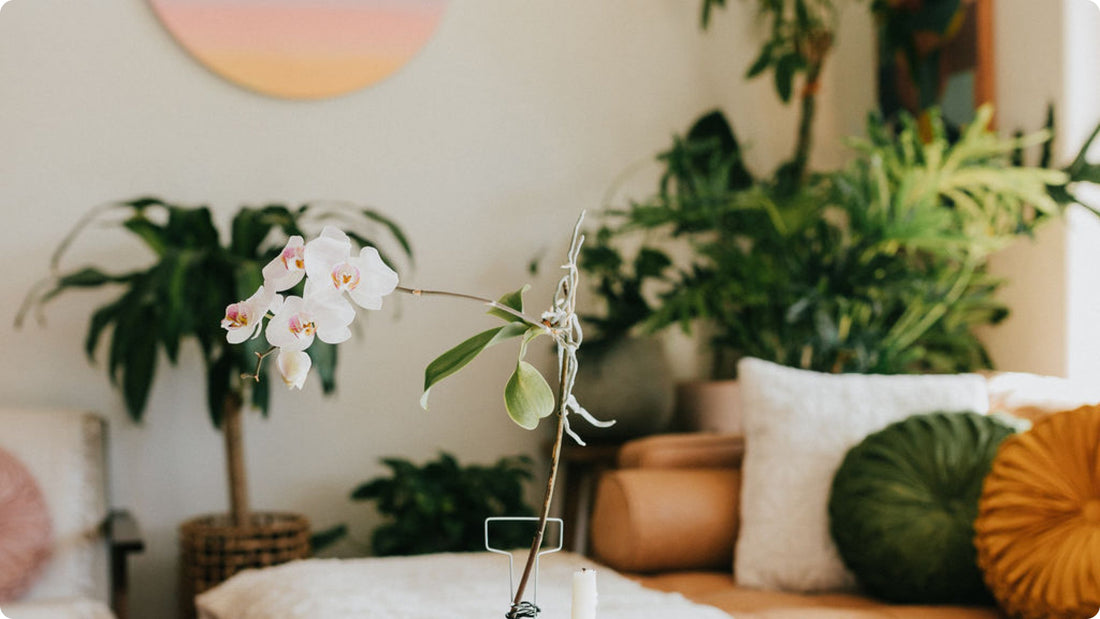
Broadleaf Lady Palms, with their graceful and lush appearance, have become beloved houseplants for many plant lovers. If you're considering adding one to your collection, you might wonder how long these beauties can stick around. Understanding their lifespan can help you provide the best care and enjoy their presence for years to come.
In this article, we'll take a closer look at the lifespan of Broadleaf Lady Palms, and we'll also share some tips on how to keep them thriving. From understanding their growth habits to dealing with common issues, we'll cover everything you need to know to ensure your palm remains a vibrant part of your home.
Getting to Know the Broadleaf Lady Palm
To understand how long Broadleaf Lady Palms live, it's helpful to start with a bit about the plant itself. These palms, known scientifically as Rhapis excelsa, are part of the Arecaceae family. Originating from Southeast Asia, they have become popular worldwide due to their adaptability and striking appearance.
The name "Broadleaf Lady Palm" comes from their wide, fan-like leaves that add a touch of elegance to any space. Unlike some other palms that grow tall and thin, these plants are more compact and bushy, making them suitable for indoor settings where space might be limited. They're often found gracing the corners of living rooms, offices, and even patios.
One of the reasons Broadleaf Lady Palms are so loved is their low-maintenance nature. They can thrive in a variety of conditions, adapting well to both low light and bright indirect light. While they aren't fussy, knowing how to cater to their preference can add years to their life.
Lifespan Expectations: How Long Can They Live?
So, how long can you expect your Broadleaf Lady Palm to live? Well, with proper care, these plants can live for several decades. It's not uncommon for them to last anywhere from 40 to 70 years, and there are even reports of palms surpassing this range.
The longevity of your palm can depend on several factors, including the environment, care routine, and its overall health. Just like people, some plants might be more resilient than others. But generally, if you provide the right conditions, you can expect to enjoy your Broadleaf Lady Palm for many years.
It might be helpful to think of your palm as a long-term companion. While other houseplants might come and go, this one could be with you through many phases of life. Investing time in understanding its needs can lead to a rewarding relationship.
Creating the Ideal Environment
To help your Broadleaf Lady Palm reach its full potential, it's crucial to create an environment where it can thrive. These plants prefer temperatures that mimic their native tropical climate. Keeping the indoor temperature between 60-80°F (15-27°C) is ideal.
Humidity is another important factor. While they can tolerate lower humidity levels, they appreciate a little extra moisture in the air. You can achieve this by misting the leaves occasionally or placing a humidifier nearby. During colder months, when indoor air tends to be drier, this can be particularly beneficial.
Lighting is also key. While Broadleaf Lady Palms can adapt to low light, they do best in bright, indirect light. Avoid placing them in direct sunlight, as this can scorch the leaves. If you're unsure about the lighting in your home, try experimenting with different spots to see where your palm seems happiest.
Watering Wisely: A Balancing Act
When it comes to watering, Broadleaf Lady Palms prefer a balanced approach. They don't like to be overly dry, but they also don't want to sit in waterlogged soil. Finding the right rhythm is essential to keeping them healthy.
A good rule of thumb is to water when the top inch of soil feels dry to the touch. You can check this by simply sticking your finger into the soil. If it feels dry, it's time for a drink. But if it's still moist, hold off for a few more days.
During the growing season (spring and summer), you might find that your palm needs more frequent watering. Conversely, in the fall and winter, you can reduce the frequency. Always make sure your pot has good drainage to prevent root rot, which can be a common issue if the plant is overwatered.
Feeding Your Palm: Nutrients for Growth
Just like any living thing, Broadleaf Lady Palms benefit from a little extra nourishment now and then. A balanced, water-soluble fertilizer can be applied during the growing season to support healthy growth. Look for a fertilizer specifically formulated for palms or houseplants, and follow the instructions on the label for the best results.
Avoid over-fertilizing, as this can lead to salt buildup in the soil and potentially harm your plant. If you notice any white crust on the soil surface, it might be a sign to cut back. Flushing the soil with water every couple of months can help remove any excess salts and keep your palm thriving.
Remember, feeding is like giving your plant a little snack. You don't want to overdo it, but a regular feeding routine can help your palm stay vibrant and healthy.
Dealing with Common Issues
Even with the best care, you might encounter some issues with your Broadleaf Lady Palm. Knowing what to look out for can help you address problems before they become serious.
One common issue is browning leaf tips, which can be caused by low humidity, over-fertilization, or inconsistent watering. If you notice this, try increasing humidity or adjusting your watering routine. Trimming the brown tips with clean scissors can also improve the plant's appearance.
Pests like spider mites and scale can occasionally be a problem. Keeping an eye on your plant and regularly wiping the leaves with a damp cloth can help prevent infestations. If you do spot pests, neem oil or insecticidal soap can be effective treatments.
By staying attentive and responsive to your plant's needs, you can tackle any issues that arise and keep your palm looking its best.
Repotting: When and How
As your Broadleaf Lady Palm grows, it might outgrow its pot. Repotting every two to three years can give it the space it needs to continue thriving. Signs that it's time to repot include roots growing out of the drainage holes or a noticeable slowdown in growth.
When repotting, choose a pot that's slightly larger than the current one. Use a well-draining potting mix, ideally one that's designed for palms. Carefully remove the plant from its old pot, gently teasing apart any tightly bound roots before placing it in the new pot.
After repotting, water the plant thoroughly and place it in a spot with proper light. It might take a few weeks for your palm to adjust to its new home, so be patient and give it time to settle in.
Incorporating Broadleaf Lady Palms into Your Home
Beyond their longevity and ease of care, Broadleaf Lady Palms can be a wonderful addition to your home's interior design. Their lush greenery can complement various decor styles, from modern to traditional.
Consider using them as statement pieces in your living room or as a natural divider in open spaces. Their height and structure can add visual interest and a touch of nature to any room. Pair them with decorative pots that match your decor for a cohesive look.
These palms can also be part of a larger plant collection, creating a mini indoor jungle. Mix and match with other plants of varying heights and textures to create a dynamic and inviting atmosphere.
Final Thoughts
Broadleaf Lady Palms can be long-lasting companions, bringing beauty and tranquility to your home for decades. By understanding their needs and creating a suitable environment, you can ensure they thrive and remain a cherished part of your indoor garden.
At Cafe Planta, we're passionate about helping you care for your plants. Whether you're looking for new additions or have questions about your current collection, we're here to assist. Feel free to reach out via email or connect with us on Instagram. We believe in the power of plants to bring joy and connection, and we're excited to be part of your plant journey.

















