
How To Grow Button Ferns With Hydroponics
Cafe Planta Team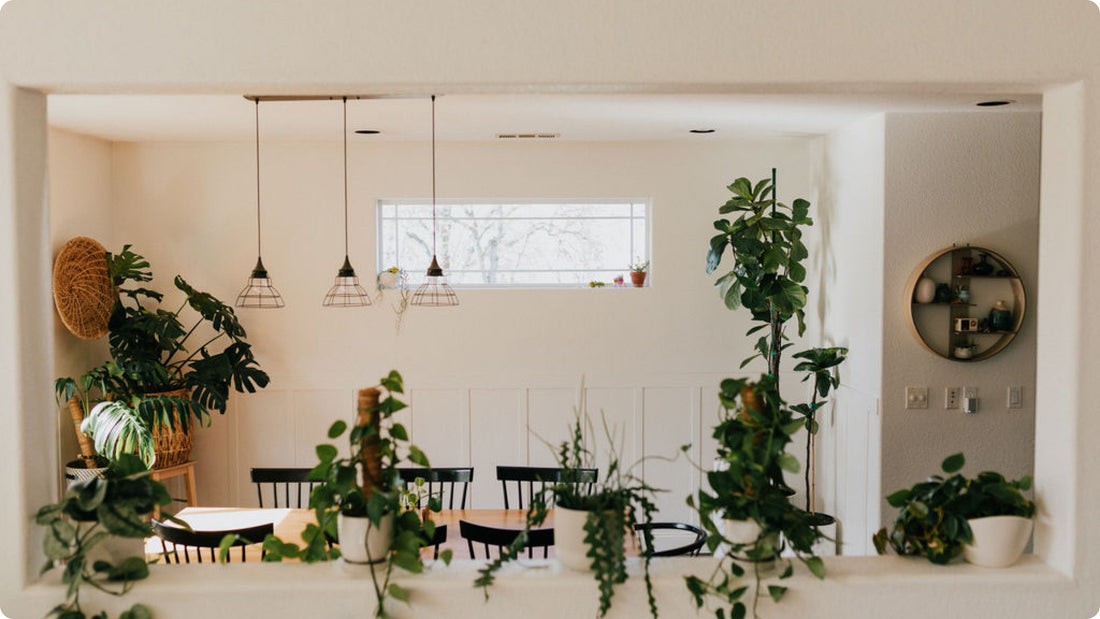
Button ferns, with their charming, round leaflets and compact growth habit, are perfect for adding a touch of greenery to any indoor space. Growing them in a hydroponic setup can be a rewarding and surprisingly easy venture. You're probably wondering how to get started with this unique way of plant cultivation.
In this article, we'll take a closer look at how to grow button ferns using hydroponics. From setting up your system to maintaining optimal conditions, we'll cover everything you need to know to enjoy healthy, thriving ferns. Whether you're a seasoned plant parent or just starting out, this guide will help you bring a little bit of nature indoors with confidence.
Why Choose Hydroponics for Button Ferns?
Hydroponics might sound a bit high-tech, but it's simply a method of growing plants without soil, using nutrient-rich water instead. So, why choose hydroponics for your button ferns?
- Space-efficient: Hydroponics systems can be set up in smaller spaces, making them ideal for apartments or homes with limited room.
- Less mess: No soil means no dirt spilling onto your floors, which is a definite plus if you're a neat freak.
- Faster growth: Plants grown hydroponically often grow faster and can be healthier, as they get the perfect balance of nutrients.
- Water efficiency: Hydroponics systems use less water than traditional soil gardening, making them an eco-friendly choice.
Understanding these benefits might just convince you to give hydroponics a go, even if you’ve always been a "soil person". Plus, the unique setup can be a fun conversation starter when friends come over.
Setting Up Your Hydroponic System
Getting started with hydroponics isn't as complicated as it might seem. Here's a step-by-step guide to setting up your system for button ferns:
1. Choose the Right System
There are several types of hydroponic systems to choose from, but for button ferns, a simple wick system or a deep water culture (DWC) system works well. These systems are beginner-friendly and cost-effective.
- Wick System: This is the simplest form of hydroponics. It uses a wick to draw nutrient solution from a reservoir into the growing medium. It's passive, meaning no pumps or electricity are needed.
- Deep Water Culture (DWC): In this system, plants are suspended in a nutrient solution, with their roots submerged in water. An air pump provides oxygen to the roots.
2. Gather Your Supplies
Once you've chosen your system, you'll need to gather a few supplies:
- Container or Reservoir: This will hold your nutrient solution. Make sure it's opaque to prevent algae growth.
- Growing Medium: Options include perlite, vermiculite, or hydroton (expanded clay pellets).
- Nutrient Solution: Purchase a solution specifically designed for ferns to ensure they get the right nutrients.
- pH Testing Kit: Maintaining the correct pH is crucial, so a testing kit is a must.
- Air Pump and Air Stone: These are needed for the DWC system to provide oxygen to the roots.
Planting Your Button Ferns
Once your system is set up, it's time to plant your button ferns. Here's how you do it:
1. Prepare the Ferns
If your button ferns are already in soil, gently remove them, being careful not to damage the roots. Rinse the roots under lukewarm water to remove any remaining soil.
2. Place the Ferns in the System
Place the ferns in your chosen growing medium. Ensure the roots are well-supported and that the medium is in contact with the nutrient solution. In a DWC system, the roots should be submerged in the solution.
3. Add Nutrient Solution
Fill the reservoir with the nutrient solution, following the manufacturer's instructions for dilution. It's essential to replace the solution every two to three weeks to prevent nutrient depletion and maintain plant health.
Maintaining Optimal Conditions
Now that your button ferns are in place, it's crucial to maintain the right conditions for them to thrive. Here are some tips:
1. Light Requirements
Button ferns prefer indirect light. Too much direct sunlight can scorch their delicate leaves. A north or east-facing window is ideal, or you can use grow lights if natural light is insufficient.
2. Temperature and Humidity
These ferns love humidity, so aim to keep the environment humid by misting the leaves or placing a humidifier nearby. They thrive in temperatures between 60°F and 75°F (15°C to 24°C).
3. Monitor pH Levels
Keep the nutrient solution's pH between 5.5 and 6.5. Regularly test the pH and adjust it using pH up or down solutions as needed.
Common Issues and How to Solve Them
Even with the best care, you might encounter some problems. Here's how to troubleshoot common issues:
1. Yellowing Leaves
This could indicate a nutrient deficiency. Check your nutrient solution's concentration and ensure it's appropriate for ferns. Adjust as needed.
2. Root Rot
Root rot can occur if the roots are submerged for too long or if the water isn't oxygenated enough. Make sure your air pump is functioning correctly if you're using a DWC system.
3. Leaf Browning
Browning leaves might mean too much direct sunlight or not enough humidity. Adjust the plant's location or increase humidity levels accordingly.
Integrating Button Ferns Into Your Interior Design
Button ferns are not only functional in hydroponic systems but also stylish additions to your home decor. Here’s how you can integrate them seamlessly:
- Hanging Displays: Use macrame hangers to create a lush, green curtain by hanging several button ferns together. This adds a touch of Bohemian flair to your space.
- Table Centerpieces: Place a button fern in a decorative pot on your dining or coffee table. Its unique shape and texture can serve as a natural focal point.
- Bathroom Oasis: Since button ferns thrive in humidity, they can be a perfect addition to bathrooms, adding a spa-like feel.
Incorporating these ferns into your home can add warmth and a sense of tranquility, transforming any room into a cozy, inviting space.
Hydroponics vs. Soil: Pros and Cons
If you're still on the fence about hydroponics versus traditional soil methods, let's break down some pros and cons:
Hydroponics
- Pros: Faster growth, less water usage, cleaner (no soil mess), and nutrient control.
- Cons: Initial setup cost, monitoring pH and nutrients can be time-consuming, and systems can be more technical.
Soil
- Pros: More forgiving, easier for beginners, and no need for technical equipment.
- Cons: Slower growth, can be messy, and harder to control nutrient levels.
Ultimately, the choice between hydroponics and soil depends on your personal preferences, space, and time commitment. Both methods have their perks and can be effective with the right approach.
Expanding Your Hydroponic Garden
Once you've mastered the art of growing button ferns hydroponically, why not expand your green thumb to other plants? Here are some beginner-friendly options:
- Herbs: Basil, mint, and cilantro are easy to grow and useful in the kitchen.
- Leafy Greens: Lettuce and spinach thrive in hydroponic systems and can provide fresh, homegrown produce.
- Strawberries: Yes, you can grow fruit hydroponically too! Strawberries are a sweet and satisfying choice.
Expanding your hydroponic garden can be a fun way to experiment with different plants and techniques, all while enjoying the benefits of fresh, homegrown produce.
Final Thoughts
Growing button ferns hydroponically is a journey filled with learning and enjoyment. From setting up your system to watching your plants thrive, it's a rewarding experience that brings a piece of nature into your home. Whether you're a seasoned plant parent or just starting out, hydroponics offers a unique way to enjoy your green companions.
At Cafe Planta, we're passionate about helping you succeed in your plant care endeavors. Whether you're looking for new plants, care accessories, or simply some plant-themed apparel, we're here for you. If you have any questions or need advice, don't hesitate to email us, or reach out on Instagram. Let's grow together and create beautiful, thriving plant collections in our homes.

















