
Are Calatheas Pet Friendly?
Cafe Planta Team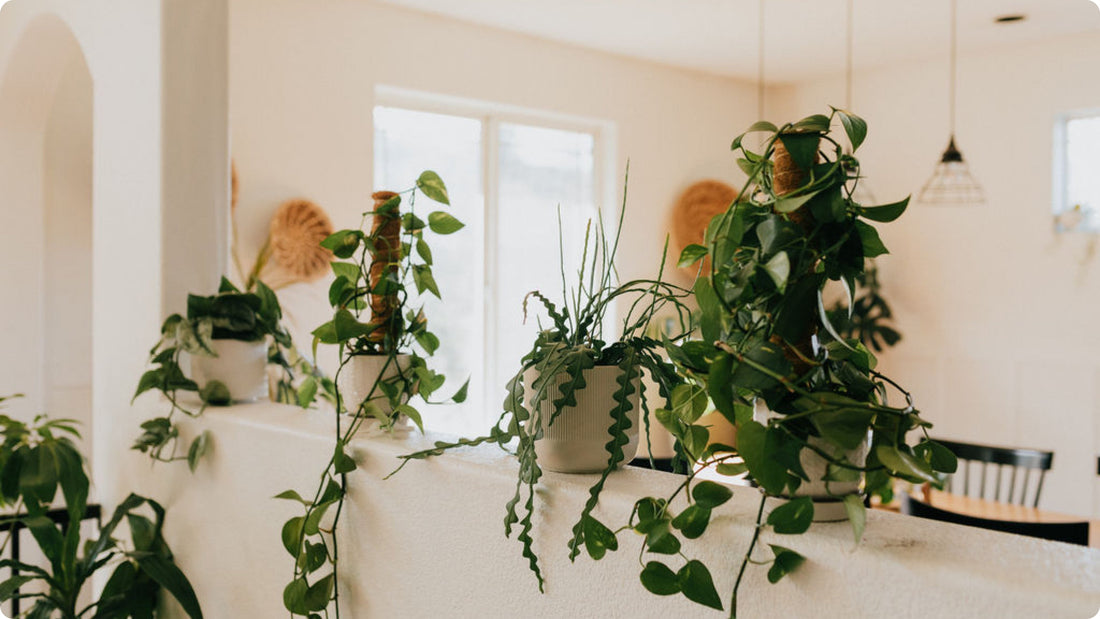
Calatheas, with their lush and vibrant foliage, are a popular choice among plant lovers. But if you're sharing your home with furry friends, you might wonder if these beauties are safe to have around. Let's get to the bottom of whether calatheas are pet friendly and explore how they can fit into a home with pets.
In this article, we'll look at the safety of calatheas for pets, share some care tips, and discuss how to create a harmonious environment where both your plants and pets can thrive. We'll also touch on some common challenges you might face and how to tackle them effectively.
Understanding Calatheas and Their Appeal
Calatheas are a type of tropical plant known for their stunning, patterned leaves. Their striking appearance makes them a favorite for indoor spaces, adding a touch of nature and elegance. You might have seen their broad, colorful leaves that seem to move, almost like they're dancing, as they open and close with the light. This movement, known as nyctinasty, is one of the many charming traits of calatheas.
These plants are part of the Marantaceae family, which also includes prayer plants. They thrive in indirect light and high humidity, which can mimic their native rainforest habitats. But before you rush to add a calathea to your collection, it's important to consider how they interact with your pets.
Are Calatheas Safe for Pets?
The good news for pet owners is that calatheas are generally considered non-toxic to cats and dogs. This means that if your furry friend decides to take a nibble, it won't cause them harm. However, just because they're non-toxic doesn't mean you should encourage your pets to munch on them freely. It's always a good idea to keep plants out of reach to avoid any potential digestive upset.
It's worth noting that while calatheas themselves are safe, other common household plants might not be. If you're a plant parent with pets, it's crucial to research each plant you bring into your home. Some plants can be harmful, causing anything from mild irritation to more severe symptoms.
Tips for Keeping Pets and Calatheas Happy Together
Having pets and plants coexist peacefully in your home can be a delightful experience, but it might take some planning. Here are some tips to help your calatheas and pets live in harmony:
- Placement: Place your calatheas in spots that are less accessible to pets. High shelves or hanging planters can keep the plants out of paw's reach.
- Training: Train your pets to avoid certain areas. Using positive reinforcement, you can teach them to steer clear of your plant spots.
- Distractions: Provide your pets with plenty of toys and activities to keep them entertained and less interested in your plants.
- Barriers: Use barriers like plant stands or decorative fences to create a physical boundary between your plants and pets.
With a bit of creativity, you can create a space where your plants and pets can coexist without any issues.
Creating the Perfect Environment for Calatheas
Calatheas are known for being a bit particular about their growing conditions, but with the right care, they can thrive and become a beautiful addition to your home. Here are some essential tips to keep your calatheas happy:
- Light: These plants prefer bright, indirect light. Too much direct sunlight can scorch their leaves, while too little can dull their vibrant patterns.
- Watering: Calatheas like their soil to be consistently moist but not waterlogged. Overwatering can lead to root rot, so it's important to find a balance.
- Humidity: As tropical plants, calatheas thrive in high humidity. If your home is dry, consider using a humidifier or placing a tray of water near the plant to increase the moisture in the air.
- Temperature: Keep your calatheas in a warm environment, ideally between 65-85°F (18-29°C), and away from drafts or cold areas.
With these conditions in mind, you can create a welcoming environment for your calatheas to flourish.
Dealing with Common Calathea Challenges
Even with the best care, you might encounter a few challenges when growing calatheas. Here are some common issues and how to address them:
- Leaf Curling: If your calathea's leaves are curling, it might be due to low humidity or underwatering. Increase the humidity and check your watering schedule.
- Brown Edges: Brown edges can be a sign of low humidity or over-fertilization. Adjusting the humidity and reducing fertilizer can help.
- Yellowing Leaves: Yellow leaves might indicate overwatering or poor drainage. Ensure your plant isn't sitting in water and that the pot has adequate drainage.
- Pests: Calatheas can attract pests like spider mites or aphids. Regularly inspect your plants and treat any infestations promptly with insecticidal soap or neem oil.
By keeping an eye out for these issues, you can ensure your calatheas stay healthy and vibrant.
Incorporating Calatheas into Interior Design
Calatheas are not just about beauty—they can also play a significant role in your interior design. Their bold patterns and colors can add depth and interest to any space. Here are some ideas for incorporating calatheas into your home decor:
- Statement Pieces: Use larger calatheas as statement pieces in living rooms or entryways to draw attention and add a touch of nature.
- Groupings: Pair calatheas with other foliage plants to create a lush, green corner. Mixing different leaf shapes and sizes can add texture and variety.
- Contrasts: Use the vibrant colors of calatheas to contrast with neutral or minimalistic spaces, creating a dynamic visual effect.
- Containers: Choose pots and containers that complement the plant's colors and patterns. Decorative pots can enhance the overall aesthetic of your space.
With a little creativity, calatheas can become a central feature of your home's design.
Maintaining a Healthy Calathea Collection
Once you've got your calatheas settled in, keeping them healthy over time is essential. Regular maintenance and care will ensure that your plants continue to thrive and brighten your home. Here's what you can do:
- Pruning: Remove any dead or damaged leaves to promote new growth and keep the plant looking tidy.
- Repotting: Repot your calatheas every couple of years to refresh the soil and provide more space for root growth.
- Fertilizing: During the growing season, use a balanced fertilizer every month to support healthy growth.
- Regular Checks: Keep an eye on your plants for signs of stress or pest infestation, and address any issues promptly.
By staying attentive to your calatheas' needs, you can enjoy their beauty for years to come.
Embracing the Calathea Lifestyle with Pets
Living with both pets and plants can be incredibly rewarding. It brings a vibrant, dynamic energy to your home, where nature and companionship coexist. By choosing pet-safe plants like calatheas, you can enjoy the best of both worlds without compromising your pets' safety.
Remember, creating a harmonious environment requires patience and creativity. With a few adjustments and thoughtful planning, your home can become a sanctuary for both your plants and your furry friends.
Final Thoughts
Calatheas offer beauty and interest to any space, and the fact that they're non-toxic to pets makes them an excellent choice for plant-loving pet owners. With the right care and attention, your calatheas can thrive alongside your furry companions.
At Cafe Planta, we're here to support you on your plant journey. Whether you're looking for new additions to your collection or need some plant care advice, don't hesitate to email us or reach out on Instagram. We believe in the power of plants to connect us with nature and each other, and we're excited to help you create a beautiful, thriving plant collection in your home.

















