
The Lifespan Of Coral Aloes: How Long Do They Live?
Cafe Planta Team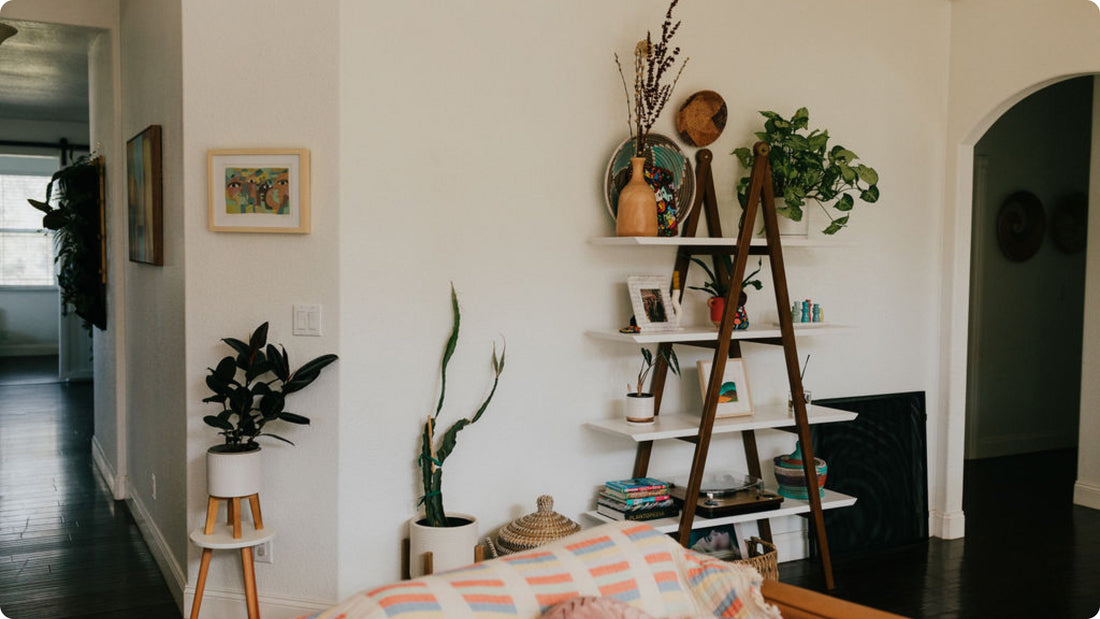
Coral Aloes, known for their vibrant colors and unique patterns, are a captivating addition to any plant lover’s collection. These charming succulents bring a touch of the exotic to your home with their distinctive appearance. But like most plant parents, you might find yourself wondering about their lifespan and how long you can expect them to stick around.
This post will delve into the lifespan of Coral Aloes and explore the factors that influence their longevity. We’ll discuss the care they need to thrive, how to handle common issues, and even some tips on using them in your home decor. So, let’s get started and make sure your Coral Aloe gets the best care possible!
Understanding the Coral Aloe
Coral Aloes, or Aloe striata, are a type of succulent known for their smooth, broad leaves and unique coral-red flowers. They originate from South Africa, thriving in arid conditions, which makes them perfect for those of us who might forget to water our plants every now and then. These resilient plants can adapt to a variety of conditions, but they do have preferences that can impact their lifespan.
When it comes to the Coral Aloe’s life expectancy, it’s not uncommon for them to live 10 to 15 years with proper care. However, like most succulents, they tend to grow slowly, which means they’ll be a part of your home decor for quite some time. The key to a long and healthy life for your Coral Aloe lies in understanding their needs and providing the right environment.
Interestingly, Coral Aloes are not only admired for their beauty but also for their low maintenance. They don’t demand much attention, making them a great choice for beginners or those who prefer a more hands-off approach to gardening. Let’s explore how you can make the most of their resilient nature and ensure a long, happy life for your Coral Aloe.
Creating the Right Environment
To keep your Coral Aloe thriving for years, it’s essential to replicate its natural habitat as closely as possible. These plants are used to bright, indirect sunlight and well-draining soil, which should be your starting point when setting up their home.
Lighting: Coral Aloes love sunlight, but too much direct sun can cause their leaves to scorch. Place them near a south or east-facing window where they can soak up the rays without being directly exposed to the harsh midday sun. If you notice the leaves turning a bit brown or crispy, it might be time to move them to a slightly shadier spot.
Soil: These succulents thrive in well-draining soil. You can use a cactus or succulent mix or make your own by mixing potting soil with sand or perlite. The goal is to prevent water from sitting around the roots, which can lead to root rot—a common issue with succulents.
Creating the perfect environment for your Coral Aloe doesn’t stop at light and soil. Temperature and humidity also play a role in their overall health. Let’s take a closer look at these factors next.
Temperature and Humidity
Coral Aloes are no strangers to warm climates, but they can be a bit sensitive to temperature extremes. They prefer temperatures between 60°F and 80°F (15°C to 27°C). If you’re comfortable in your home, chances are your Coral Aloe is too.
However, they don’t take kindly to frost. If you live in an area with cold winters, consider moving your Aloe indoors or ensuring it’s protected from freezing temperatures. A sudden cold snap can be detrimental to their health and drastically shorten their lifespan.
When it comes to humidity, these plants are quite forgiving. They don’t require high humidity and can actually suffer if the environment is too moist. Keep them in a well-ventilated area, and avoid placing them in bathrooms or kitchens where humidity tends to be higher.
Now that we’ve covered the environmental needs, let’s move on to the art of watering your Coral Aloe. It’s a bit of a balancing act, but with a few tips, you’ll master it in no time.
Watering Wisely
Watering is where many plant lovers go wrong with succulents. Coral Aloes, like most succulents, prefer to dry out completely between waterings. This means you should avoid the temptation to water on a strict schedule. Instead, check the soil moisture and water only when it’s completely dry.
Here’s a simple method to follow:
- Stick your finger about an inch into the soil. If it feels dry, it’s time to water.
- Water thoroughly, allowing the excess to drain out of the pot. Make sure your pot has drainage holes.
- Avoid letting the plant sit in water, as this can lead to root rot.
During the growing season, which is spring and summer, you might find yourself watering every couple of weeks. In the fall and winter, water less frequently, as the plant’s growth slows down. Keeping an eye on the leaves will also give you clues; if they’re starting to look shriveled, it might be time for a drink.
Now that you’re a watering pro, let’s talk about another important aspect of plant care: feeding. It’s not just about watering, after all!
Feeding Your Coral Aloe
While Coral Aloes don’t need a lot of feeding, a little boost now and then can help them thrive. During the growing season, you can feed them with a balanced, water-soluble fertilizer diluted to half strength. Doing this every month or so should be enough to keep them happy.
Over-fertilizing can do more harm than good, so err on the side of caution. Too much fertilizer can lead to salt buildup in the soil, which can damage the roots. If you notice any white crust on the soil surface, it might be time to flush it out with water to remove the excess salts.
Remember, the best time to fertilize is when the plant is actively growing. Skip feeding during the winter months when the plant is resting. And if you’ve just repotted your Aloe, wait a few months before fertilizing, as the fresh soil will provide all the nutrients it needs.
With the right feeding schedule, you’re nurturing a healthy, vibrant plant. But just like us, plants can face challenges. Let’s explore some common issues and how to tackle them.
Handling Common Problems
No plant is immune to problems, and Coral Aloes are no exception. However, with a bit of knowledge, you can address issues before they become major headaches.
Root Rot: This is one of the most common issues and usually results from overwatering. If you notice mushy leaves or a foul smell from the soil, it’s time to act. Remove the plant from its pot, trim away any rotten roots, and repot in fresh, dry soil.
Pests: Coral Aloes can occasionally fall victim to pests like mealybugs and aphids. A quick way to deal with these is to wipe the leaves with a cotton swab dipped in rubbing alcohol, which helps remove and kill the pests.
Leaf Spots: Brown or black spots can be a sign of fungal infection. Ensure your plant has good air circulation and avoid getting water on the leaves. If the problem persists, you might need to use a fungicide.
By staying vigilant and addressing problems as they arise, you’re well on your way to ensuring your Coral Aloe lives a long and healthy life. Speaking of which, let’s explore how these plants can be integrated into your home decor for a stylish touch.
Decorating with Coral Aloes
Coral Aloes aren’t just easy to care for—they’re also a designer’s dream. Their striking appearance makes them a fantastic choice for adding a touch of natural beauty to your home.
Here are a few ideas to help you style your space with Coral Aloes:
- Centerpiece: Use a single Coral Aloe in a decorative pot as a centerpiece on your dining table or coffee table. Its unique look will draw attention and spark conversations.
- Grouped Display: Pair your Aloe with other succulents of varying heights and colors for an eye-catching arrangement on a windowsill or shelf.
- Terrariums: Consider placing your Coral Aloe in an open terrarium. The combination of different textures and colors can create a stunning display.
Integrating Coral Aloes into your decor not only adds beauty but also brings a bit of nature indoors, creating a calming and refreshing atmosphere. Now, let’s wrap up with some final thoughts on these wonderful plants.
Final Thoughts
Coral Aloes are not only stunning but also relatively easy to care for. With the right environment, watering schedule, and occasional feeding, you can enjoy their beauty for many years. Remember, a keen eye on their health and addressing issues promptly will ensure they thrive in your home.
At Cafe Planta, we love sharing our plant passion and helping you find the perfect plants for your space. If you have any houseplant questions, feel free to email us or reach out on Instagram. We're here to help you create a beautiful, thriving plant collection and connect with nature. Happy planting!

















