
Are Cymbidium Orchids Pet Friendly?
Cafe Planta Team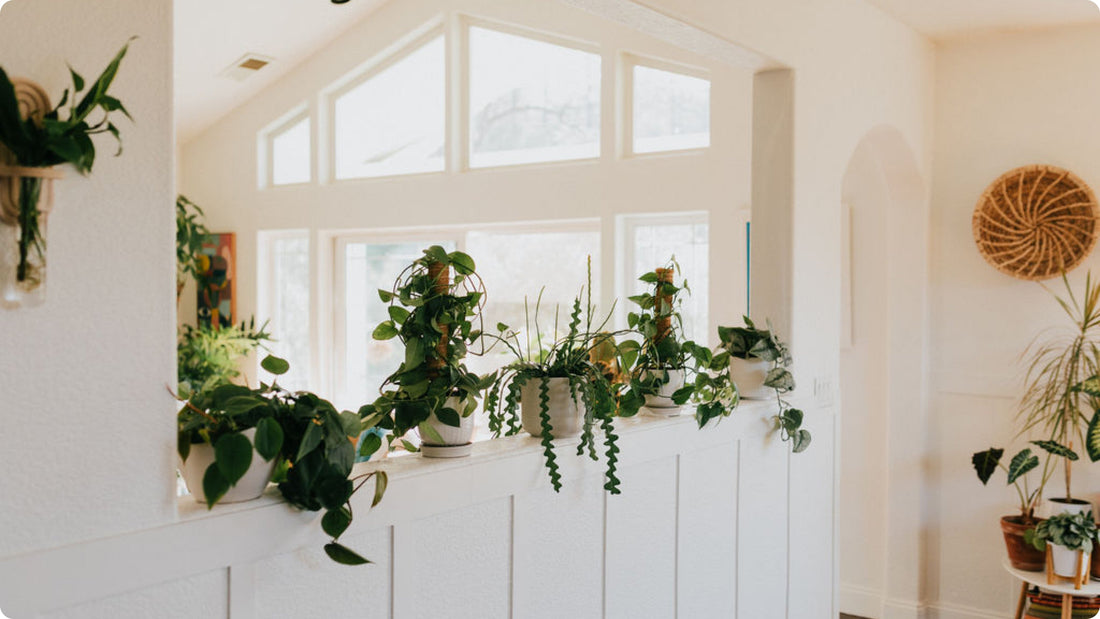
When it comes to adding greenery to your home, one question that often pops up is whether certain plants are safe for our furry friends. Cymbidium orchids are a popular choice for their stunning blooms and relatively easy care, but are they safe to keep around pets? In this article, we'll dig into this question and explore everything you need to know about Cymbidium orchids and pet safety.
We'll discuss if these orchids are indeed pet-friendly, how to care for them, and how to incorporate them into your home without causing harm to your beloved animals. Plus, we'll throw in some tips on creating a pet-friendly plant environment overall. Let's get started!
Understanding Cymbidium Orchids
Before we jump into the pet safety aspect, let's get to know Cymbidium orchids a little better. These beautiful plants originate from the cool climates of the Himalayas and are known for their long-lasting flowers and graceful, arching leaves. They come in a variety of colors, including white, pink, red, yellow, and green, making them a versatile choice for any home decor.
Cymbidium orchids are relatively low-maintenance compared to other orchid species. They thrive in bright, indirect sunlight and prefer cooler temperatures, which makes them ideal for indoor spaces. While they can be a bit picky about humidity and watering, once you get the hang of their care, they can be quite forgiving.
Interestingly, these orchids have been cultivated for over two thousand years, primarily in Asia, where they are prized for their beauty and fragrance. With this rich history, it's no wonder they're a favorite among plant lovers worldwide.
Are Cymbidium Orchids Safe for Pets?
Now for the million-dollar question: Are Cymbidium orchids safe for pets? The good news is, yes, they are generally considered non-toxic to both cats and dogs. This means that if your curious kitty or playful pup decides to nibble on a leaf or petal, it's unlikely to cause any significant harm.
However, it's important to note that "non-toxic" doesn't mean "completely harmless." While Cymbidium orchids aren't poisonous, they can still cause mild digestive upset if ingested in large quantities. This might include symptoms like vomiting or diarrhea, which are usually temporary but can be uncomfortable for your pet.
To be on the safe side, it's always best to monitor your pets around any new plants and keep an eye out for any unusual behavior. If you notice persistent symptoms or if your pet has ingested a large amount of the plant, it's wise to consult your veterinarian for advice.
Creating a Pet-Friendly Plant Environment
Even though Cymbidium orchids are relatively safe, it's always a good idea to create a pet-friendly plant environment to minimize any risks. Here are a few tips to help you do just that:
- Placement: Consider placing your orchids on shelves or tables that are out of reach of your pets. This not only keeps them safe from nibbling but also protects your precious plants from being knocked over.
- Training: Train your pets to respect plant areas. Positive reinforcement can be an effective way to teach them that plants are not toys.
- Distractions: Provide plenty of toys and activities to keep your pets entertained and less interested in your plants.
- Pet-safe alternatives: If you're concerned about plant safety, consider adding pet-safe plants like spider plants or Boston ferns to your home. These can add greenery without worrying about potential risks.
Caring for Your Cymbidium Orchids
Now that you're confident about the safety of your orchids, let's touch on how to care for them. Proper care will ensure they stay healthy and continue to brighten up your space.
- Light: Cymbidiums love bright, indirect light. A north or east-facing window is ideal. Direct sunlight can scorch their leaves, so avoid placing them in spots with harsh afternoon sun.
- Temperature: These orchids prefer cooler temperatures. Aim for daytime temperatures between 65-75°F and slightly cooler nights.
- Watering: Allow the top inch of the soil to dry out between waterings. Overwatering can lead to root rot, so it's better to err on the side of caution.
- Humidity: Cymbidiums appreciate higher humidity. If your home is dry, consider using a humidity tray or misting the leaves occasionally.
- Feeding: Use a balanced orchid fertilizer during the growing season (spring and summer) to keep your plant nourished.
Incorporating Cymbidium Orchids into Your Home
With their elegant blooms, Cymbidium orchids can be a stunning addition to any room. Here are some ideas for incorporating them into your decor:
- Living room: Place them on a coffee table or side table to create a focal point. Their colorful flowers can complement your existing decor and add a touch of sophistication.
- Kitchen: Brighten up your kitchen by placing an orchid on the windowsill. They can thrive in the bright, indirect light and add a splash of color to your cooking space.
- Bathroom: If you have a bathroom with natural light, consider adding an orchid. The humidity from showers can be beneficial for the plant.
- Home office: A Cymbidium orchid on your desk can boost your mood and create an inviting, calming environment.
Dealing with Pests and Fungal Issues
Even the most diligent plant parents can face issues with pests and fungi. Cymbidium orchids are no exception, so here are some common problems and how to tackle them:
- Aphids: These tiny pests can cluster on new growth and flower spikes. A gentle spray of water or insecticidal soap usually does the trick.
- Spider mites: These are more likely in dry conditions. Increasing humidity and using neem oil can help get rid of them.
- Fungal infections: Overwatering can lead to fungal issues. Make sure your plant has good air circulation and never let it sit in water.
Regularly inspecting your plants and promptly addressing any issues will keep them healthy and thriving.
Potting and Soil Care for Cymbidium Orchids
Proper potting and soil are crucial for the health of your Cymbidium orchids. Here's what you need to know:
- Pot choice: Use a pot with drainage holes to prevent water from sitting at the roots. Cymbidiums have large root systems, so a slightly larger pot can be beneficial.
- Soil mix: A well-draining orchid mix is ideal. You can create your own by combining bark, perlite, and charcoal.
Repotting every couple of years in the spring can help refresh the growing medium and give your plant room to expand its roots.
Design Tips for a Plant-Filled Space
If you're a plant lover, creating a space filled with greenery can be incredibly rewarding. Here are some design tips to help you achieve that:
- Layering: Use plants of different heights and sizes to create depth and interest. Tall plants in the back, medium-sized in the middle, and small ones in the front can work well.
- Grouping: Group similar plants together for a cohesive look. This can also make care easier, as similar plants often have similar needs.
- Containers: Choose pots that complement your decor. Mix and match colors and textures for variety.
Remember, your plant space should reflect your personality and be a place you enjoy spending time in.
Final Thoughts
Cymbidium orchids are a stunning addition to any home, and the great news is that they're safe for pets. With proper care and a little creativity, you can enjoy these beautiful plants without worrying about your furry friends.
At Cafe Planta, we're here to help you on your plant journey. Whether you're looking for new additions to your collection or need advice on plant care, feel free to email us or reach out on Instagram. We're excited to share our love of plants with you and help you create a beautiful, thriving plant collection in your home.

















