
Here's What To Do About Echeveria Cold Damage
Cafe Planta Team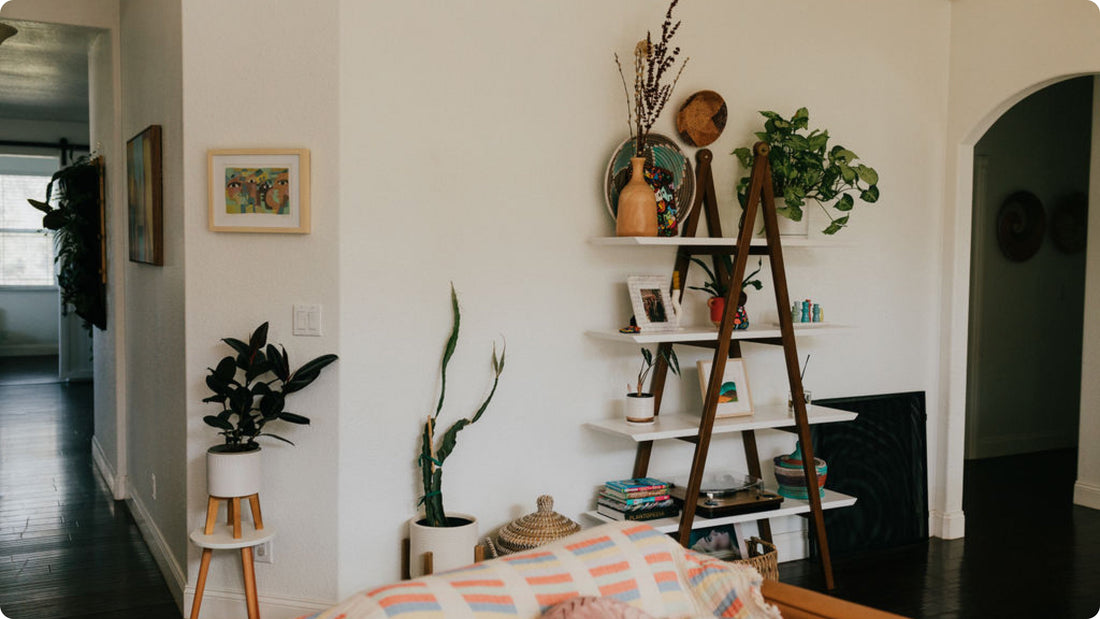
Picture this: You've lovingly tended to your Echeveria, admiring its rosette of plump, colorful leaves, only to find it looking a bit under the weather after a cold snap. It's a common conundrum for plant parents, especially when the weather takes an unexpected chilly turn. But don't fret! There are ways to nurse your Echeveria back to health and protect it from future cold damage.
In this article, we'll explore how cold affects Echeverias, identify the signs of cold damage, and, most importantly, discuss practical steps to revive your plant. We'll also cover preventative measures to ensure your Echeveria remains happy and healthy, even when temperatures drop. So, grab a cozy blanket and a cup of tea, and let's get started!
Understanding Echeveria and Cold Sensitivity
Echeverias are succulent plants native to semi-desert regions of Central America. They're beloved for their stunning appearance and relative ease of care, making them popular choices for both novice and experienced plant lovers. However, their native habitat gives us a clue about their preferences: they thrive in warm, dry environments. When temperatures dip, these plants can suffer.
Cold sensitivity in Echeverias isn't just about the mercury dropping below zero. Even temperatures below 50°F (10°C) can stress these plants, leading to potential damage. Unlike some hardy succulents, Echeverias lack the adaptations needed to survive cold snaps. The key is to understand their limitations and respond proactively.
Interestingly, while Echeverias are quite resilient to drought, cold and excess moisture can be a double whammy. The combination can lead to root rot, a sneaky problem that can go unnoticed until it's too late. Knowing this, it's crucial to not only shield your Echeveria from the cold but also manage watering during cooler months.
Identifying Cold Damage in Echeverias
Spotting cold damage early can make all the difference in salvaging your Echeveria. The symptoms might not be as obvious as you'd think, which is why a keen eye is essential. Here are some telltale signs that your Echeveria has caught a chill:
- Discoloration: One of the first signs is a change in leaf color. Healthy Echeverias boast vibrant hues, but cold damage can cause leaves to turn brown or black.
- Softened Leaves: Cold temperatures can cause the water within the leaves to freeze, leading to a mushy texture. If your Echeveria's leaves feel squishy, it's a red flag.
- Leaf Drop: You might notice leaves falling off more readily. This can be the plant's response to stress, shedding damaged parts to focus on survival.
- Stunted Growth: While not always a direct result of cold, stunted growth can indicate ongoing stress, including cold exposure.
If you notice any of these signs, it's time to take action. The quicker you respond, the better chance your Echeveria has of making a full recovery.
First Steps to Take When Cold Damage Occurs
So, you've identified cold damage. Now what? The first step is to move your Echeveria to a warmer location. If it's outdoors, bring it inside, ideally to a spot where it can receive plenty of indirect sunlight. If it's already indoors, ensure it's not near a drafty window or door where cold air can seep in.
Next, check the soil. Cold, wet soil is a recipe for disaster, so allow it to dry out if it's damp. Hold off on watering until you see signs of recovery. This might feel counterintuitive, especially if you're used to nurturing your plants with regular watering, but Echeverias need time to recuperate without added stress from too much moisture.
Prune away any severely damaged leaves. This not only improves the plant's appearance but also prevents potential rot from spreading. Use clean, sharp scissors or pruning shears to make clean cuts, and avoid tearing or bruising the plant.
Reviving Your Echeveria
Once you've taken immediate action, it's time for the recovery phase. This part requires patience, as succulents can take time to show signs of improvement. Here are some tips to aid your Echeveria's recovery:
- Provide Ample Light: Position your plant where it can soak up plenty of indirect sunlight. If natural light is scarce, consider using a grow light to supplement.
- Maintain Temperature: Echeverias prefer temperatures between 65°F and 75°F (18°C to 24°C). Avoid placing them near heat sources that could dry them out.
- Monitor Watering: Water sparingly and only when the soil is completely dry. When you do water, do so thoroughly, allowing excess water to drain away.
- Be Patient: Recovery may take weeks or even months, depending on the extent of the damage. Keep an eye on new growth as a positive sign of recovery.
During this time, resist the urge to fertilize. While nutrients are essential for growth, fertilizing too soon can stress an already weakened plant. Wait until you see new, healthy growth before considering a light feeding.
Preventing Future Cold Damage
Once your Echeveria has bounced back, it's time to think ahead. Prevention is always better than cure, and with a few simple strategies, you can protect your plant from future cold spells:
- Monitor the Weather: Keep an eye on the forecast, especially if your Echeveria is outdoors. Bring it inside if temperatures are expected to drop significantly.
- Insulate Outdoor Plants: If moving your Echeveria indoors isn't an option, consider using frost cloths or plant covers to provide some insulation.
- Choose the Right Spot: Indoors, place your Echeveria in a spot where it won't be exposed to cold drafts. A south-facing window can be ideal for light and warmth.
- Adjust Watering Routine: As temperatures cool, reduce the frequency of watering to prevent cold, soggy soil.
These preventative measures can make the difference between a thriving Echeveria and one that's struggling to survive winter's chill.
Using Echeverias in Interior Design
Echeverias are not just great for their beauty and low-maintenance nature; they can also be a stunning addition to your home's interior design. Their unique shapes and colors make them versatile decor elements, perfect for adding a touch of nature to any room.
Consider creating a succulent centerpiece for your dining table or coffee table. Use a shallow dish or tray, fill it with an assortment of Echeverias, and add decorative stones or sand for contrast. This simple yet elegant arrangement can serve as a conversation starter at your next gathering.
If you prefer vertical displays, try mounting Echeverias on a wall planter. These living art pieces can transform a blank wall into a vibrant focal point. Just ensure the planter has good drainage and receives adequate light.
Echeverias also pair well with other houseplants. Combine them with trailing plants like string of pearls or upright varieties like snake plants for a dynamic, layered look. Mixing plant textures and colors can create a visually appealing arrangement that brings warmth and life to your space.
Caring for Echeverias Year-Round
While we've focused on cold damage, it's worth noting that Echeverias have specific needs throughout the year. Understanding these can help you keep your plant healthy and vibrant, no matter the season:
- Spring and Summer: These are the growing seasons for Echeverias. Increase watering frequency but always allow the soil to dry out between waterings. Fertilize every four to six weeks with a diluted succulent fertilizer to support growth.
- Fall: As temperatures cool, begin reducing watering and stop fertilizing. This helps prepare the plant for its dormant period.
- Winter: Water sparingly, only when the soil is completely dry. Echeverias require less water during dormancy, so overwatering can lead to root rot.
By adjusting your care routine to match the seasons, you'll ensure your Echeveria remains healthy and ready to thrive when the growing season returns.
Common Mistakes and How to Avoid Them
Even the most attentive plant parent can make mistakes. Here are some common pitfalls when caring for Echeverias, along with tips to avoid them:
- Overwatering: This is the number one cause of problems. Remember, Echeverias are drought-tolerant. Let the soil dry completely before watering.
- Inadequate Light: While they can survive in lower light, Echeverias thrive in bright, indirect sunlight. If your plant looks leggy, it might be reaching for more light.
- Ignoring Temperature Needs: Extreme temperatures can stress Echeverias. Keep them in a stable environment with moderate temperatures.
- Skipping Inspections: Regularly check your plant for signs of pests or disease. Early intervention can prevent minor issues from becoming major problems.
By being mindful of these common mistakes, you'll be better equipped to provide your Echeveria with the care it needs.
Incorporating Echeverias into Your Plant Collection
If you're a plant lover, you probably already have a burgeoning collection. Echeverias can be a charming addition, complementing other succulents and houseplants. Their compact size and striking appearance make them ideal for small spaces or as part of a larger arrangement.
Consider creating a succulent garden with various Echeveria species. Their diverse colors and forms can create a visually stunning display. Pair them with other low-water plants like cacti or agaves for a cohesive look.
Alternatively, use Echeverias as accent plants on a windowsill or desk. Their understated beauty can bring a touch of nature to your workspace, helping to boost mood and productivity.
Whatever your style, Echeverias offer endless possibilities for creativity and expression. Experiment with different arrangements and containers to find what works best for you and your space.
Final Thoughts
Caring for Echeverias, especially when dealing with cold damage, requires a bit of attention and patience. By understanding their needs and responding to signs of distress, you can help your Echeveria thrive year-round. From reviving a chilled plant to incorporating Echeverias into your decor, these succulent beauties offer endless possibilities for plant lovers.
At Cafe Planta, we're here to support your plant journey. Whether you're looking for new additions to your collection or need advice on plant care, we're just a click away. Feel free to email us, send a DM via Instagram, or visit our shop. We're excited to help you grow a beautiful, thriving plant collection!

















