
Are Elephant Ears Pet Friendly?
Cafe Planta Team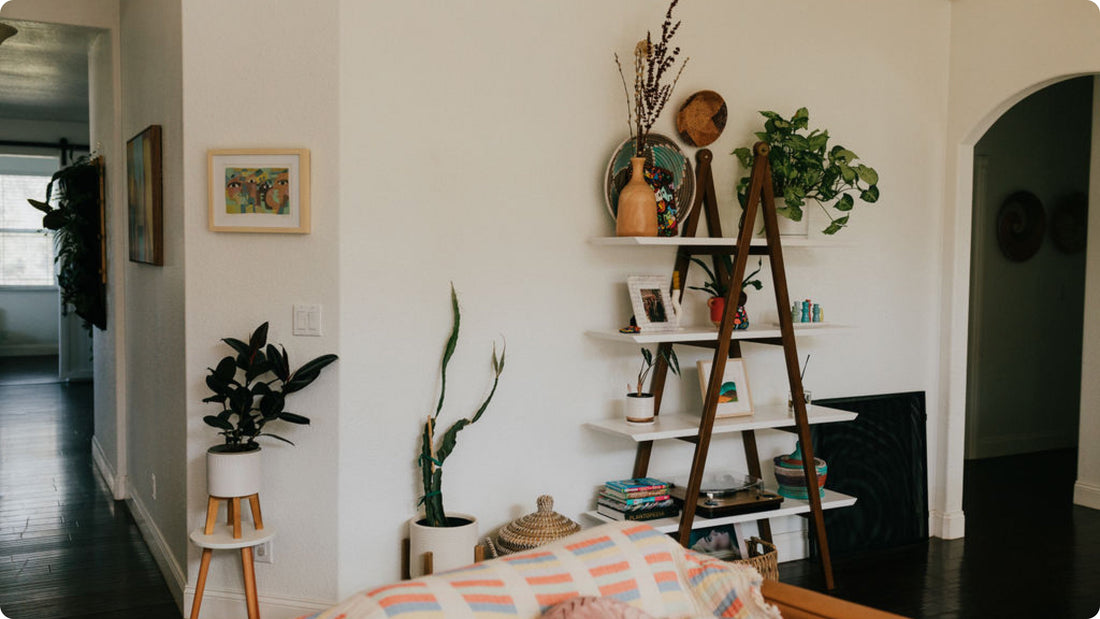
Ah, the majestic Elephant Ear plant! It's one of those striking plants that can transform any space with its giant, lush leaves. But, if you're a pet owner, you might be wondering if bringing one of these beauties into your home is a good idea. After all, our furry friends are naturally curious and might decide to nibble on those tempting leaves.
This article will guide you through everything you need to know about Elephant Ear plants and their compatibility with pets. We'll discuss the potential risks, safety tips, and alternative options, ensuring you can create a stunning plant-filled haven without compromising your pet's safety.
What Are Elephant Ear Plants?
First things first, let's get to know the stars of the show a little better. Elephant Ear plants, belonging to the genera Alocasia, Colocasia, and Xanthosoma, are famous for their large, heart-shaped leaves that resemble, well, elephant ears! These tropical beauties are native to Southeast Asia and the Pacific Islands, where they thrive in warm, humid environments.
These plants can vary quite a bit in size, with some growing up to an impressive 8 feet tall, while others remain more modest at around 2 to 3 feet. This diversity makes them a versatile choice for both indoor and outdoor gardening. However, regardless of their size, their striking appearance always makes a bold statement.
Despite their exotic look, Elephant Ear plants are relatively easy to care for. They prefer bright, indirect light and require regular watering to keep their soil consistently moist. Just make sure not to let them sit in waterlogged soil, as this can lead to root rot. With the right conditions, these plants can grow rapidly, bringing a touch of the tropics into your home.
Are Elephant Ear Plants Toxic to Pets?
Now, onto the million-dollar question: Are Elephant Ear plants safe for pets? Unfortunately, the answer is no. Elephant Ear plants are toxic to both cats and dogs. The culprit behind their toxicity is calcium oxalate crystals, which are found in all parts of the plant, including the leaves, stems, and roots.
When ingested, these needle-like crystals can cause a range of unpleasant symptoms in pets, including:
- Oral irritation
- Excessive drooling
- Difficulty swallowing
- Vomiting
- Decreased appetite
In severe cases, swelling of the mouth and throat can lead to breathing difficulties, which is obviously a serious concern. If you suspect your pet has ingested any part of an Elephant Ear plant, it's crucial to contact your veterinarian immediately for guidance.
Safety Tips for Pet Owners
So, you're a plant lover and a pet owner—what's a person to do? Don't fret! There are ways to enjoy your Elephant Ear plants while keeping your pets safe. Here are a few tips to consider:
Keep It Out of Reach
The easiest way to prevent your pet from snacking on your plants is to place them out of reach. Consider using plant stands, shelves, or hanging planters to elevate your Elephant Ear plants. This not only keeps them away from curious paws but also adds visual interest to your space.
Train Your Pet
Training your pet to stay away from your plants can be a game-changer. Using positive reinforcement techniques, you can teach your furry friend that plants are off-limits. It might take some time and patience, but consistency is key!
Create a Pet-Free Zone
If your home layout allows, designate a specific area or room for your plants that your pet isn't allowed to access. This could be a sunroom, balcony, or even a dedicated plant corner. This way, you can enjoy your greenery without worrying about your pet's safety.
Use Deterrents
There are various pet-safe deterrents available that can help keep your pets away from your plants. These include sprays with unpleasant scents or textures that discourage chewing. Just be sure to choose products that are safe for both your plants and pets.
Alternative Pet-Friendly Plants
If you're still concerned about having Elephant Ear plants around your pets, consider opting for pet-friendly alternatives. There are plenty of stunning plants that are safe for cats and dogs, allowing you to create a lush environment without the worry. Here are a few options to consider:
Spider Plant (Chlorophytum comosum)
Spider plants are not only safe for pets but also incredibly easy to care for. Their arching leaves and small white flowers make them a charming addition to any home. Plus, they have air-purifying qualities, making them a win-win choice.
Bamboo Palm (Chamaedorea seifrizii)
The bamboo palm is another pet-friendly option that can add a touch of the tropics to your space. With its feathery fronds and upright growth, it's perfect for adding height and dimension to your plant collection.
Boston Fern (Nephrolepis exaltata)
Boston ferns are known for their lush, feathery foliage and are safe for pets. They thrive in humid environments, making them an excellent choice for bathrooms or kitchens. Just be sure to keep their soil consistently moist.
Ponytail Palm (Beaucarnea recurvata)
Don't be fooled by its name—this plant isn't a true palm, but it's just as eye-catching. With its bulbous trunk and cascading leaves, the ponytail palm is a unique and pet-friendly choice that requires minimal care.
Designing a Pet-Friendly Plant Space
Creating a pet-friendly plant space doesn't mean you have to sacrifice style. With a little creativity, you can design a beautiful, green oasis that works for both your plants and your furry companions. Here are some ideas to get you started:
Vertical Gardens
Vertical gardening is a fantastic way to maximize space while keeping plants out of your pet's reach. Consider using wall planters or trellises to create a living wall of greenery. This not only frees up floor space but also adds a stunning visual element to your home.
Container Gardens
Grouping plants in decorative containers can create a cohesive and stylish look while allowing you to easily move them around as needed. Choose containers with a bit of height to keep plants away from curious noses and paws.
Pet-Safe Zones
Create designated pet-safe zones in your home where plants are off-limits. This could be a cozy corner with a few comfortable cushions or a special area with your pet's bed and toys. By providing a dedicated space for your pet, you can encourage them to stay away from your plants.
Incorporate Textures
Use a variety of textures in your plant displays to create interest and depth. Mix and match different leaf shapes and sizes to create a dynamic and visually appealing arrangement. This can also help distract from the absence of certain plants, like Elephant Ears, that might not be pet-friendly.
The Importance of Pet Safety
As much as we love our plants, our pets' safety should always come first. While it's tempting to fill our homes with every beautiful plant we come across, it's important to consider the potential risks to our furry friends. By being mindful of toxic plants and taking steps to protect our pets, we can create a harmonious environment where both plants and pets can coexist peacefully.
Remember, it's always better to be safe than sorry. If you're ever unsure about the safety of a particular plant, don't hesitate to do a quick search or consult with your veterinarian. A little research can go a long way in ensuring your home is a safe haven for all its inhabitants.
What to Do If Your Pet Eats an Elephant Ear Plant
Despite our best efforts, accidents can happen. If you suspect that your pet has ingested part of an Elephant Ear plant, it's important to act quickly. Here's what you should do:
- Remove any remaining plant material from your pet's mouth.
- Rinse your pet's mouth with water to help remove any lingering plant particles.
- Contact your veterinarian or a pet poison control hotline for guidance. They'll be able to advise you on the best course of action based on your pet's size, symptoms, and the amount of plant ingested.
- Follow your veterinarian's instructions carefully and monitor your pet closely for any changes in behavior or symptoms.
Remember, the sooner you seek professional help, the better the outcome for your pet. Don't hesitate to reach out to your vet if you're ever in doubt.
Balancing Plant Love and Pet Safety
Being a plant lover and a pet owner doesn't have to be mutually exclusive. With a little knowledge and careful planning, you can create a home that's both a plant paradise and a pet-friendly haven. It's all about finding the right balance and making informed choices that work for both you and your furry friends.
Consider starting with a few pet-friendly plants and gradually expanding your collection as you become more comfortable with managing both plants and pets. This approach allows you to enjoy the benefits of greenery in your home without compromising your pet's safety.
Ultimately, the joy of having plants and pets in your life is worth the effort it takes to keep them both happy and healthy. With the right strategies in place, you can create a thriving environment where both your plants and pets can flourish.
Final Thoughts
So, while Elephant Ear plants aren't the best choice for households with pets, there are plenty of ways to enjoy plants in your home without compromising your furry friends' safety. From pet-friendly plant alternatives to creative design solutions, the options are endless.
At Cafe Planta, we're passionate about helping you create a beautiful, thriving plant collection that suits your lifestyle. Whether you're looking for unique plant finds or need a little guidance on plant care, we're here for you. Feel free to email us or drop us a message on Instagram. Let's continue to connect with nature and each other, one plant at a time!

















