
Are English Ivys Pet Friendly?
Cafe Planta Team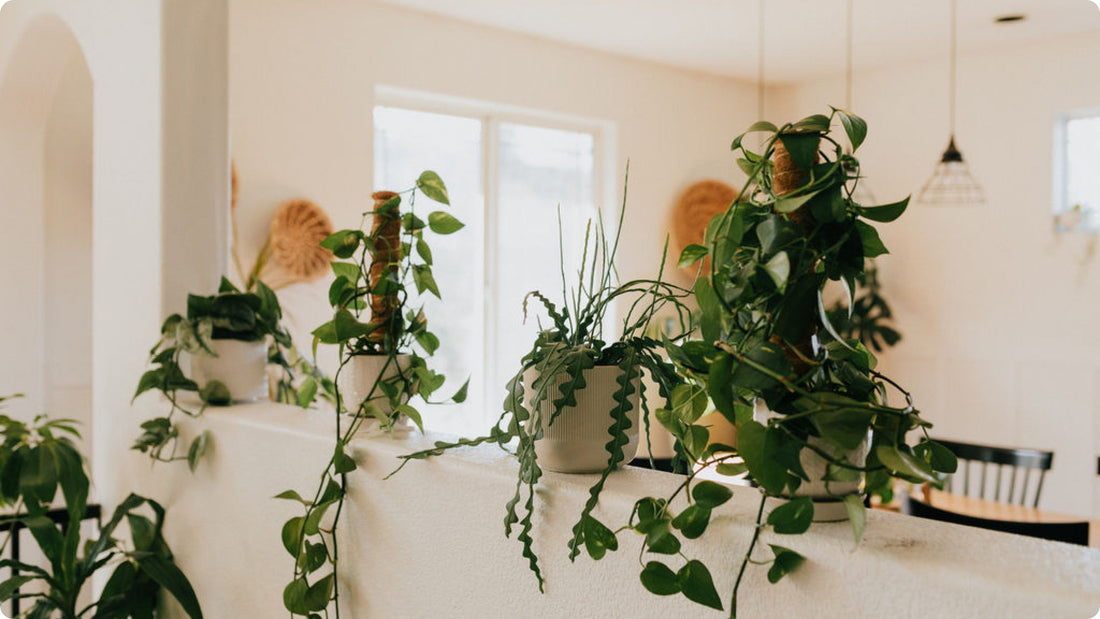
If you're a plant lover with pets, you've probably wondered if your favorite greenery is safe to keep around your furry friends. One popular plant that often raises questions is English ivy. Known for its elegant trailing vines and rich green leaves, it's a staple in many homes. But is it safe for your pets? Let's dive into the details and explore what you need to know about English ivy and its potential risks to your beloved animals.
In this article, we'll look at whether English ivy is safe for pets, discuss the signs of toxicity in animals, and provide tips on how you can safely incorporate this plant into your home. We'll also explore alternative pet-friendly plants and give you practical advice on keeping your pets and plants happy together.
The Appeal of English Ivy
There's no denying that English ivy can add a touch of charm and elegance to any space. Its lush green leaves and cascading vines make it a favorite for both indoor and outdoor decoration. But what exactly makes it so appealing?
For starters, English ivy is incredibly versatile. You can grow it in a pot, let it trail down a bookshelf, or even train it to climb a trellis. It thrives in various light conditions, from bright indirect light to low light, making it suitable for different areas of your home. Plus, its hardy nature means it can withstand some neglect, perfect for those who don't have the greenest of thumbs.
However, this beauty comes with a downside. English ivy is known to be toxic to pets, which can be a deal-breaker for many animal lovers. Understanding the risks is crucial if you want to keep both your home and your pets safe.
Is English Ivy Toxic to Pets?
Unfortunately, English ivy is indeed toxic to pets. This plant contains a compound called saponins, found in its leaves and berries, which can be harmful if ingested by animals. While the level of toxicity varies, it's generally considered unsafe for both cats and dogs.
Symptoms of English ivy poisoning in pets can range from mild to severe. Some common signs include:
- Vomiting
- Diarrhea
- Excessive drooling
- Abdominal pain
- Difficulty breathing (in severe cases)
If you suspect your pet has ingested any part of the English ivy plant, it's important to contact your veterinarian immediately. Quick action can make a significant difference in your pet's recovery.
Recognizing Symptoms of Plant Poisoning in Pets
Being able to recognize the symptoms of plant poisoning can be a lifesaver. While English ivy might seem harmless, it's crucial to know what to look for if your pet has had a nibble.
Aside from the symptoms mentioned earlier, keep an eye out for changes in your pet's behavior. Are they more lethargic than usual? Do they seem to be in pain or discomfort? Pets, much like people, can show distress in subtle ways. Trust your instincts and don't hesitate to seek professional help if something feels off.
Remember, it's always better to be cautious. A quick call to your vet can provide peace of mind and potentially save your pet from further harm.
Creating a Safe Environment for Pets and Plants
So, how can you enjoy the beauty of English ivy without putting your pets at risk? Here are a few strategies to consider:
- Placement: Keep English ivy out of reach. Consider placing it on high shelves or using hanging planters.
- Barriers: Use barriers or deterrents to discourage pets from accessing areas where the plant is located.
- Alternatives: Opt for artificial ivy. It offers the aesthetic appeal without the risk of toxicity.
By taking these precautions, you can create a harmonious environment where both your plants and pets thrive. It's all about finding that balance and making thoughtful choices for your home.
Pet-Friendly Alternatives to English Ivy
If the risks associated with English ivy are too concerning, you might want to consider some pet-friendly alternatives. Luckily, there are plenty of beautiful plants that are safe for your furry companions.
Here are a few options:
- Spider Plant: Known for its arching leaves and easy care, it's a safe choice for pets.
- Boston Fern: This lush plant adds greenery without the worry of toxicity.
- Bamboo Palm: Its elegant fronds make it a stylish, pet-safe option.
- Areca Palm: Another palm variety, it's non-toxic and visually stunning.
These plants can offer the same decorative appeal without any of the risks associated with English ivy. Plus, they can be just as rewarding to care for and integrate into your home's design.
Indoor Plant Placement Tips for Pet Safety
Choosing the right plants is just one part of the equation. Placement plays a crucial role in ensuring your pets don't come into contact with toxic plants.
Here are some practical tips for placing plants in pet-friendly ways:
- Hanging Planters: These keep plants out of reach and add a vertical element to your decor.
- Wall Shelves: Use shelves to display plants at a height that pets can't reach.
- Room Dividers: Place plants on tall room dividers to create a barrier between curious pets and plants.
By strategically placing your plants, you can enjoy their beauty without worrying about your pets getting into trouble.
Training Pets to Avoid Plants
Sometimes, the best solution is to train your pets to steer clear of your plants altogether. While this might take some patience, it can be incredibly effective in the long run.
Here are a few training tips:
- Positive Reinforcement: Reward your pet when they ignore or move away from the plants.
- Distractions: Provide alternative toys or activities to keep them engaged and away from the greenery.
- Command Training: Use commands like "leave it" to teach your pet to avoid specific areas.
With consistent training, your pets can learn to coexist peacefully with your plants, making your home a safer place for everyone involved.
Balancing Plant Care with Pet Safety
Caring for plants and pets can feel like a juggling act, but with a bit of planning, you can successfully manage both. Here are some general tips to keep in mind:
- Research: Before bringing any new plant into your home, check its toxicity status.
- Observation: Pay attention to your pet's behavior around plants and adjust your setup if needed.
- Routine: Establish a plant care routine that doesn't interfere with your pet's habits, like watering when your pet is outside or in another room.
By staying informed and proactive, you can cultivate a home that's nurturing for both your green and furry companions.
Making Your Home a Pet-Friendly Plant Oasis
Creating a home that accommodates both plants and pets is all about balance and intention. When you carefully consider which plants to bring into your home and how to arrange them, you can create a space that's both aesthetically pleasing and safe for your pets.
Whether you choose to keep English ivy with precautions or explore pet-friendly alternatives, the key is to make thoughtful choices that reflect your lifestyle and priorities. After all, a home filled with life—be it plant or pet—is a happy home.
Final Thoughts
English ivy may not be the best choice for households with pets, given its toxicity. However, with careful placement and pet-friendly alternatives, you can still enjoy a vibrant green space without compromising your pet's safety. Remember, the well-being of your furry friends is paramount.
At Cafe Planta, we understand the joy plants bring to our lives and the importance of keeping our pets safe. If you have any questions about plant care or want to explore pet-friendly options, feel free to email us or reach out on Instagram. We're here to help you cultivate a beautiful, thriving plant collection in your home. Happy planting!

















