
Are Ficus Amstel Kings Pet Friendly?
Cafe Planta Team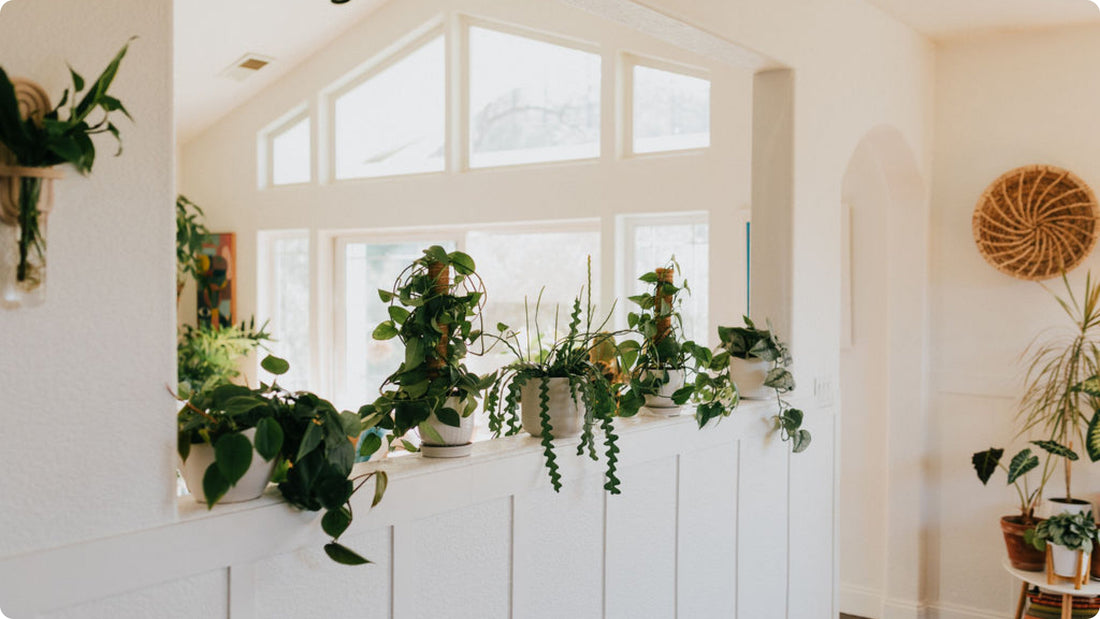
Ficus Amstel King is a beautiful plant known for its elegant, narrow leaves and ability to add a touch of nature to any room. However, if you're a pet owner, you might be wondering if this attractive plant is safe for your furry friends. Pets are curious by nature, and they often like to nibble on plants, so it's important to know if your indoor greenery could pose a risk to them.
In this article, we'll take a closer look at the Ficus Amstel King and explore whether it's a safe choice for households with pets. We’ll also cover some general plant care tips, ways to keep your plants and pets safe, and how to design beautiful spaces that accommodate both.
Understanding Ficus Amstel King
The Ficus Amstel King, also known as Ficus binnendijkii 'Amstel King', is a member of the fig family and is cherished for its sleek, lance-shaped leaves. It's a popular choice for indoor plant lovers due to its relatively easy care requirements and its ability to adapt to indoor environments. However, it's important to understand its characteristics and care needs to ensure it thrives in your home.
This plant can grow quite tall, reaching up to 6-8 feet indoors if given the right conditions. It enjoys bright, indirect light but can also tolerate lower light levels, making it versatile for different spots in your home. The leaves are long and slender, providing a unique texture and look compared to other ficus varieties like the Fiddle Leaf Fig or Rubber Plant.
Despite its beauty, the Ficus Amstel King is considered toxic to pets. The sap of the plant contains compounds that can cause irritation if ingested by cats or dogs. Symptoms may include drooling, vomiting, or difficulty swallowing. While it's not usually life-threatening, it can certainly cause discomfort for your pet. With this in mind, it's crucial to consider where and how you place this plant if you decide to keep it in a pet-friendly home.
Pet Safety and Plant Placement
So, what can you do if you love the Ficus Amstel King but also want to keep your pets safe? The solution often lies in strategic placement and prevention. Here are some ideas:
- High Shelves or Hanging Baskets: Placing your Ficus Amstel King on a high shelf or in a hanging basket can keep it out of reach from curious pets. This way, they can't easily access the plant to chew on it.
- Pet Barriers: If you have a specific room where you keep your plants, consider using baby gates or other barriers to keep pets out. This can be an effective way to create a pet-free plant zone.
- Distraction Techniques: Sometimes, providing your pets with their own toys or safe plants to chew on can divert their attention from those that are off-limits.
- Training: Consistent training can help teach pets which areas of the home are no-go zones. This might take some time, but it can be an effective long-term strategy.
By taking these precautions, you can enjoy your Ficus Amstel King without having to worry constantly about your pets getting into trouble.
Creating a Pet-Friendly Plant Environment
If you're a plant lover with pets, you don't have to choose one over the other. It’s entirely possible to create a harmonious environment where both can coexist. Here are some tips to help you achieve a pet-friendly plant haven:
- Choose Non-Toxic Plants: Incorporate more non-toxic plants into your collection. Some pet-safe options include Spider Plants, Calatheas, and Boston Ferns. These can offer the greenery you desire without the risk.
- Mix and Match: Use a combination of high-risk and low-risk plants. Place the toxic plants out of reach and the non-toxic ones within easy access for your pets.
- Regular Maintenance: Keep plants healthy and trim away any dead or fallen leaves promptly. This reduces the chance of pets playing with or eating them.
- Enrichment Activities: Provide your pets with plenty of enrichment and playtime, which can help reduce their interest in plants.
By thoughtfully curating your plant choices and their placement, you can create a space that's safe for your pets and beautiful to look at.
General Care Tips for Ficus Amstel King
Caring for a Ficus Amstel King involves some basic steps to ensure it thrives indoors. Here’s what you need to know:
- Light: While these plants prefer bright, indirect sunlight, they can adapt to medium light conditions. Avoid direct sunlight as it can scorch the leaves.
- Water: Water your Ficus Amstel King when the top inch of soil feels dry. Be cautious not to overwater, as this can lead to root rot.
- Humidity: These plants appreciate a bit more humidity, so consider misting them occasionally or placing a humidifier nearby if your home is particularly dry.
- Soil and Potting: Use a well-draining potting mix and ensure your pot has drainage holes to prevent water from sitting at the bottom.
By following these care tips, your Ficus Amstel King can grow strong and healthy, adding its unique charm to your home.
Dealing with Pests and Fungal Issues
Like all plants, Ficus Amstel Kings can sometimes fall prey to pests or fungal issues. Common pests include spider mites, scale, and mealybugs. Here’s how to handle these unwanted visitors:
- Spider Mites: These tiny pests can cause leaves to look speckled or dusty. A strong spray of water can help dislodge them, or you can use insecticidal soap for more persistent infestations.
- Scale and Mealybugs: These can often be removed by wiping the leaves with a cloth soaked in rubbing alcohol. Be sure to check the undersides of leaves and stems.
- Fungal Issues: Overwatering can lead to fungal problems like root rot. Ensure your plant has good drainage and only water when necessary.
Regularly inspecting your plants can help catch these issues early, making them easier to manage and less likely to harm your plant.
Designing Beautiful, Plant-Filled Spaces
Creating an inviting space with plants is a rewarding endeavor. Here are some ideas to incorporate Ficus Amstel King and other plants into your home decor:
- Focal Points: Use larger plants like Ficus Amstel King as focal points in a room. They can be placed near a window or in a corner that needs some greenery.
- Layering: Mix plants of different heights and textures for a layered look. This adds depth and interest to your space.
- Containers and Stands: Choose stylish pots and stands to elevate your plants. This can enhance the overall aesthetic and make your plants pop.
- Color Coordination: Consider the colors of your plants and how they complement the rest of your decor. A cohesive color scheme can tie a room together.
By integrating plants thoughtfully, you can create a space that feels lively and fresh, all while ensuring your design choices are pet-conscious.
Alternatives to Ficus Amstel King for Pet Owners
If the risk of toxicity is too high for your comfort, there are plenty of alternative plants that can still provide the aesthetic appeal you’re looking for. Consider these pet-friendly options:
- Spider Plant: With its arching leaves and ease of care, the Spider Plant is a great option that’s safe for both cats and dogs.
- Boston Fern: Known for its lush fronds, this fern is non-toxic and adds a soft touch to any space.
- Areca Palm: This palm is a fantastic choice for adding a tropical vibe without posing a risk to your pets.
- Bamboo Palm: Another pet-safe palm that’s perfect for adding height and greenery to your home.
These alternatives offer a safe and beautiful way to enjoy houseplants without worrying about your pets' safety.
Balancing Aesthetic and Safety
Finding the right balance between aesthetic appeal and pet safety can sometimes feel like a juggling act, but it’s certainly achievable. Here are some final thoughts on how to strike that balance:
- Research: Always research before bringing a new plant home. Understanding its care needs and potential risks helps prevent surprises.
- Variety: Mix a variety of plants with different care needs and appearances to keep your collection interesting and diverse.
- Adjust as Needed: Don’t be afraid to move plants around if they’re not thriving or if your pet shows too much interest.
- Pet Habits: Take note of your pet’s behavior around plants and adjust your strategies accordingly.
By taking these steps, you can achieve a home environment that is both beautiful and safe for your furry companions.
Final Thoughts
Keeping a Ficus Amstel King in a home with pets requires a bit of planning, but it’s not impossible. With careful placement and a few preventative measures, you can enjoy this beautiful plant while keeping your pets safe and happy.
If you're looking for more plant options or advice, Cafe Planta offers a variety of houseplants and helpful resources. We’re always here to assist with any questions you may have. Feel free to reach out to us via email or through our Instagram. We believe plants can bring people together and inspire connections with nature and each other. Whether you’re a seasoned plant parent or just beginning your journey, we’re excited to share our passion with you and help cultivate a thriving plant collection in your home.

















