
Are Ficus Anastasias Pet Friendly?
Cafe Planta Team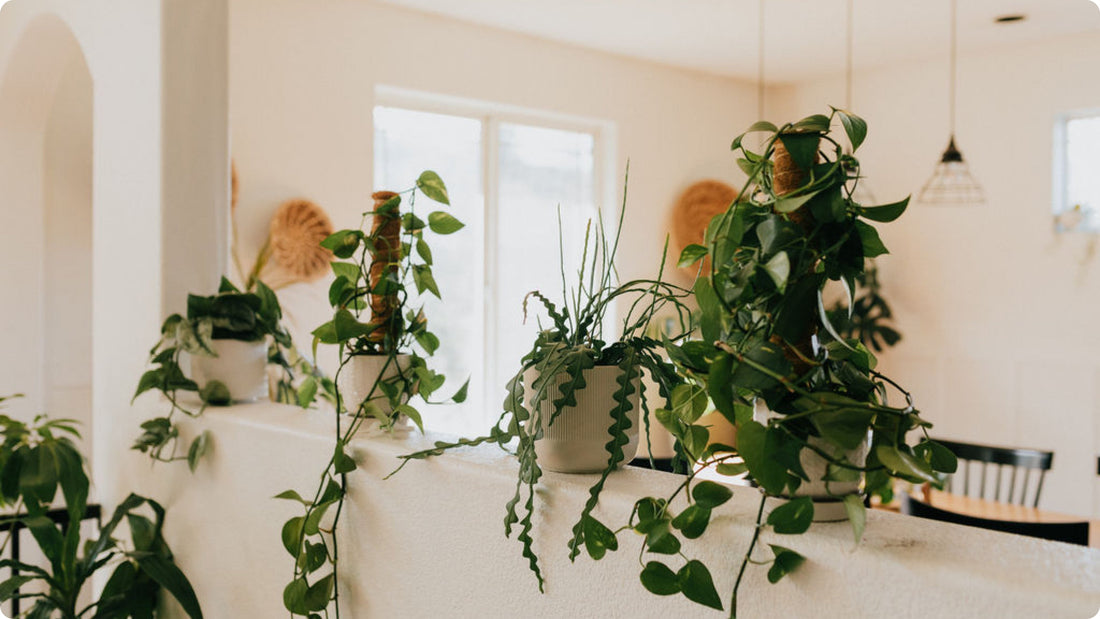
Ficus Anastasia, with its vibrant green leaves and unique variegated pattern, can be a charming addition to any home. But, if you're a plant lover with furry friends, you may wonder whether this beauty is safe for pets. Navigating the world of pet-friendly plants can be tricky, and nobody wants their pets to suffer from a plant-related mishap.
This article will discuss whether Ficus Anastasia is safe for your pets, and explore everything you need to know about incorporating this leafy friend into your home. We’ll cover the plant’s characteristics, potential risks, and tips for pet owners, alongside guidance on plant care and design ideas that make your home both pet and plant-friendly.
Understanding Ficus Anastasia
Ficus Anastasia is a popular member of the Ficus family, known for its striking appearance. This plant boasts a blend of green and yellowish variegated leaves, which can brighten up any room. Originating from tropical regions, this Ficus variety thrives indoors when given the right conditions.
Before we determine if it's pet-friendly, let's understand its basic requirements:
- Light: Ficus Anastasia loves bright, indirect light. Too much direct sunlight can scorch its leaves, while too little light might stunt its growth.
- Water: Water it when the top inch of soil feels dry. Overwatering can lead to root rot, so ensure proper drainage.
- Humidity: Like most tropical plants, it benefits from higher humidity. Consider misting or using a humidifier, especially in dry climates.
- Temperature: It prefers warmer temperatures, ideally between 65°F and 75°F.
Now that we have a handle on its care needs, let’s look into its compatibility with pets.
Is Ficus Anastasia Safe for Pets?
The million-dollar question for pet owners: Is Ficus Anastasia pet-friendly? Unfortunately, the answer isn’t the one plant and pet lovers might hope for. Ficus plants, including Anastasia, are generally considered toxic to both cats and dogs.
The plant contains an irritant sap that can cause adverse reactions if ingested or if it comes into contact with your pet's skin or eyes. Symptoms of exposure might include:
- Gastrointestinal upset: This could manifest as vomiting or diarrhea.
- Skin irritation: Redness or itching if the sap contacts the skin.
- Eye discomfort: Possible irritation if the sap is rubbed into the eyes.
While this doesn’t mean you can’t have a Ficus Anastasia in a home with pets, it does require some careful planning. Let’s explore how to keep both your plants and pets safe under one roof.
Keeping Plants and Pets Safe
So, how can you enjoy the beauty of Ficus Anastasia without putting your pets at risk? Here are a few strategies to consider:
- Placement: Place the plant in a spot that's out of reach for your pets. High shelves, hanging planters, or rooms that your pets don’t frequent can work well.
- Training: Training your pets to stay away from plants can be useful. Positive reinforcement techniques can be effective.
- Barriers: Consider using physical barriers like decorative fences or plant stands with enclosed bases to keep curious paws away.
- Pet-safe deterrents: Some sprays designed to deter pets from chewing on plants can provide an extra layer of protection.
By being proactive, you can create a harmonious living environment for both your plants and pets.
Pet-Friendly Alternatives to Ficus Anastasia
If you’re not keen on taking the risk with Ficus Anastasia, there are plenty of beautiful, pet-friendly alternatives to consider. Here are a few options that can still bring a touch of greenery to your home:
- Spider Plant: Known for its air-purifying qualities and easy care, the Spider Plant is non-toxic to pets.
- Boston Fern: This lush, green plant is safe for pets and thrives in indirect light and high humidity.
- Parlor Palm: A low-maintenance palm that adds a tropical vibe without posing a threat to your furry friends.
- Areca Palm: Another palm option that’s both safe for pets and a great air purifier.
These alternatives can provide the greenery you crave without the worry of harming your pets.
Creating a Pet-Friendly Plant Space
Designing a space that accommodates both your plant and pet needs can be challenging, but it’s definitely possible. Here are some tips to help you create a pet-friendly plant space:
- Use hanging planters: These keep plants out of reach and add visual interest to your décor.
- Vertical gardens: Utilize wall space to keep plants away from pets while maximizing greenery.
- Plant shelves: Designate a specific shelf or corner for your plants, ensuring it’s positioned safely away from pets.
- Pet zones: Create specific areas for your pets to play, rest, and feed, reducing their interest in your plants.
By thoughtfully designing your space, you can enjoy a lush environment without compromising on pet safety.
Ficus Anastasia Care Tips
If you decide to go ahead with Ficus Anastasia, understanding its care is crucial for a thriving plant. Here are some additional tips to keep it healthy:
- Soil: Use well-draining potting soil. A mix designed for indoor plants or a cactus blend can work well.
- Fertilizing: Fertilize during the growing season (spring and summer) with a balanced, water-soluble fertilizer.
- Pruning: Regular pruning helps maintain its shape and encourages bushier growth. Remove any dead or yellowing leaves promptly.
- Pests: Watch for common pests like spider mites and scale insects. Use insecticidal soap or neem oil for treatment.
With the right care, your Ficus Anastasia can be a stunning addition to your home.
Balancing Plant and Pet Ownership
Balancing plant and pet ownership can sometimes feel like a juggling act, but it’s all about finding the right equilibrium. Here’s how you can maintain that balance:
- Research: Always research before introducing a new plant to your home. Knowledge is power!
- Observation: Keep an eye on your pets and plants. This helps you catch any issues early on.
- Adjustment: Be prepared to make adjustments. Sometimes, moving a plant or changing routines can solve potential problems.
- Consultation: If in doubt, consult a vet or plant expert for advice tailored to your specific situation.
With a little effort and planning, you can create a harmonious environment for all your living companions.
Design Ideas for Plant Lovers
Incorporating plants into your home isn’t just about aesthetics; it’s about creating a space that feels alive and welcoming. Here are some design ideas that integrate plants into your home seamlessly:
- Mix and match: Combine different plant species and pots for a dynamic look.
- Statement pieces: Use a large plant like Ficus Anastasia as a focal point in a room.
- Color coordination: Match your plant pots with your interior color scheme for a cohesive look.
- Natural elements: Incorporate natural materials like wood and stone to complement your greenery.
With a touch of creativity, plants can transform any space from ordinary to extraordinary.
Pet Safety and Plant Care: A Balancing Act
In the end, the goal is to create a home where both plants and pets can thrive. This requires ongoing attention and a willingness to adapt. Remember, it’s not just about the aesthetics—it's about creating a space that’s safe, nurturing, and joyful for everyone.
Don’t forget to engage with both your plants and pets regularly. Their presence can bring peace and joy, and each requires care and attention to flourish. By making thoughtful choices and staying informed, you can enjoy the best of both worlds.
Final Thoughts
Ficus Anastasia, while not the ideal choice for homes with pets, can still be a part of your space with the right precautions. From understanding its toxicity to exploring pet-friendly alternatives, there are ways to enjoy a green home safely and beautifully.
At Cafe Planta, we’re passionate about helping you care for your plants. Whether you’re looking for new plant additions or need advice on plant care, we’re here to help. Feel free to email us or message us on Instagram. We believe in the power of plants to connect us with nature and each other, and we're excited to support you on your plant journey.

















