
How To Grow Goldfish Plants With Hydroponics
Cafe Planta Team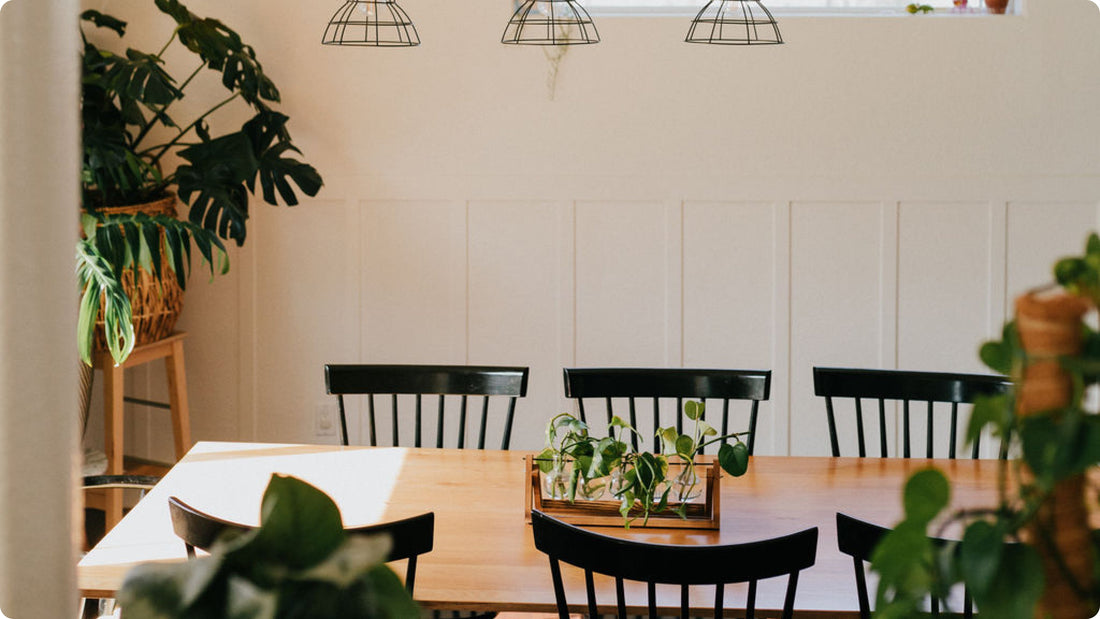
Goldfish plants, with their vibrant orange blooms that resemble tiny swimming goldfish, are a delightful addition to any indoor garden. But what if you could grow them without soil? Hydroponics, a method of growing plants in nutrient-rich water, offers a clean and innovative way to enjoy these charming plants. Intrigued? Let’s explore how you can successfully grow goldfish plants using hydroponics.
This article will guide you through setting up a hydroponic system, selecting the right nutrients, and caring for your goldfish plants to keep them thriving. Whether you're a seasoned plant parent or a curious newbie, you'll find practical tips and insights to nurture your goldfish plants with confidence.
Understanding Hydroponics: A Quick Overview
Before diving into the specifics of growing goldfish plants hydroponically, it's helpful to understand what hydroponics is all about. At its core, hydroponics involves growing plants in a water-based, nutrient-rich solution. Instead of soil, a plant’s root system is supported by an inert medium like perlite, clay pellets, or rock wool.
Why might you choose hydroponics over traditional soil-based methods? There are a few compelling reasons:
- Space Efficiency: Hydroponic systems can be set up indoors, making them ideal for apartments or homes with limited garden space.
- Water Conservation: This method uses less water than traditional gardening since the water is recirculated.
- Faster Growth: Plants often grow faster in hydroponics because they have direct access to nutrients.
While the benefits are appealing, successful hydroponic gardening requires attention to detail, especially with nutrient management and lighting. But don't worry, we’ll cover all you need to know to get started with your goldfish plants.
Setting Up Your Hydroponic System
Setting up a hydroponic system might sound complex, but it can be straightforward with the right guidance. Here's a step-by-step process to help you get started:
Choose Your Hydroponic System
There are several types of hydroponic systems, but for goldfish plants, a simple Deep Water Culture (DWC) system works well. In DWC, plant roots are suspended in a nutrient-rich water solution. An air pump provides oxygen to the roots, preventing them from drowning.
Gather Your Supplies
Here’s what you’ll need to set up a basic DWC system:
- A container or reservoir to hold the nutrient solution (a large plastic tote works well)
- An air pump and air stones to oxygenate the water
- Net pots to hold the plants
- An inert growing medium like clay pellets or rock wool
- Nutrient solution specifically formulated for hydroponics
- A pH meter to monitor water acidity
Assemble the System
- Fill the container with the nutrient solution, following the instructions on the nutrient package for mixing.
- Place the air stones in the bottom of the container and connect them to the air pump.
- Plant your goldfish plant cuttings in the net pots, using the growing medium to stabilize them.
- Place the net pots into the holes of the container lid so that the roots are submerged in the solution.
- Turn on the air pump to start oxygenating the water.
With your system set up, you're ready to focus on maintaining it and ensuring your goldfish plants thrive.
Choosing the Right Nutrient Solution
Nutrients are the lifeblood of any hydroponic system. Without soil, plants rely entirely on the nutrient solution for their essential minerals. So, how do you choose the right one for your goldfish plants?
Most commercial hydroponic nutrient solutions are formulated to provide a balanced mix of macro and micronutrients. However, if you're mixing your own solution, here are some essential nutrients your goldfish plants will need:
- Nitrogen (N): Promotes leafy growth.
- Phosphorus (P): Important for root and flower development.
- Potassium (K): Aids in overall plant health and disease resistance.
- Calcium: Essential for cell wall structure.
- Magnesium: A core component of chlorophyll.
Make sure to follow the manufacturer's instructions on the nutrient solution packaging. Over-fertilizing can harm your plants, so it's crucial to get the balance right.
Monitoring pH Levels
Goldfish plants prefer slightly acidic conditions, with a pH range of 5.5 to 6.5. Use a pH meter to regularly check the acidity of your nutrient solution. If the pH is too high or low, adjust it with pH up or down solutions available at garden centers.
Regular monitoring ensures your plants can absorb nutrients effectively, which is vital for their growth and flowering.
Lighting: Let There Be Light!
Just like soil-grown plants, hydroponic goldfish plants need plenty of light to thrive. If you're growing them indoors, consider investing in grow lights to provide the necessary illumination.
Choosing the Right Grow Lights
LED grow lights are a popular choice for indoor hydroponic systems. They're energy-efficient and can be tailored to provide the specific light spectrum that plants need. You’ll want to aim for:
- Blue light: Encourages leafy growth.
- Red light: Supports flowering and fruiting.
Position the lights about 12-18 inches above the plants, adjusting as they grow to maintain the optimal distance. Aim for about 12-16 hours of light per day to simulate a natural day-night cycle.
Maintaining Your Hydroponic System
Once your system is up and running, regular maintenance is essential to keep it functioning effectively and your goldfish plants healthy. Here's what you need to do:
Regular Cleaning
Every few weeks, it's a good idea to clean your system to prevent the build-up of algae and other potential contaminants. Here's how:
- Turn off the system and remove the plants.
- Discard the old nutrient solution.
- Rinse the reservoir and components with a mild bleach solution (1 part bleach to 10 parts water).
- Rinse thoroughly with clean water before reassembling and refilling with fresh nutrient solution.
Monitor Plant Health
Keep a close eye on your plants. Look for signs of nutrient deficiencies or pests. Yellowing leaves might indicate a lack of nitrogen, while brown tips could suggest over-fertilization.
If you notice pests, such as aphids or spider mites, address them promptly. A gentle spray of neem oil or insecticidal soap can often do the trick without harming your plants.
Propagation: Growing More Goldfish Plants
One of the joys of growing goldfish plants is how easy they are to propagate. Whether you're looking to expand your collection or share with friends, here's how you can do it:
Taking Cuttings
The easiest method for propagating goldfish plants is through stem cuttings. Here's how:
- Select a healthy stem, preferably one with a few leaves.
- Use sharp, clean scissors to cut a section of about 4-6 inches.
- Remove the lower leaves to expose the stem.
Rooting in Water
Place the cutting in a glass of water, ensuring the leaves stay above the water line. Position the glass in a bright location, but out of direct sunlight. Within a few weeks, you should see roots developing.
Transition to Hydroponics
Once the roots are a couple of inches long, transfer the cutting to your hydroponic system. Place it in a net pot with the growing medium, and introduce it to the nutrient solution. Voila! You’ve got a new goldfish plant ready to flourish.
Common Challenges and Troubleshooting
Even the best plans can run into snags. Here are some common challenges you might face with hydroponic goldfish plants, along with tips on how to overcome them:
Algae Growth
Algae can be a pesky problem in hydroponic systems, especially if light reaches the nutrient solution. To combat this:
- Ensure your reservoir is opaque to block out light.
- Cover any exposed parts of the solution to prevent light penetration.
- Clean your system regularly to prevent build-up.
Nutrient Imbalances
Yellowing leaves, stunted growth, or poor flowering can often be traced back to nutrient issues. Regularly check and adjust your nutrient levels, and make sure your pH remains within the optimal range for absorption.
Pest Invasions
Even indoor plants can fall victim to pests. Regularly inspect your plants and use neem oil or insecticidal soap at the first sign of trouble. Keeping the growing area clean and free from debris can also help prevent infestations.
Integrating Goldfish Plants into Home Decor
Goldfish plants aren’t just delightful to grow—they can also add a splash of color and interest to your home decor. Here are some ideas to creatively integrate them into your living space:
Hanging Displays
The trailing nature of goldfish plants makes them perfect for hanging baskets. Place them in a bright corner or near a window where they can catch the light. This not only showcases their unique blooms but also saves space.
Tabletop Centerpieces
For a more traditional setup, place your hydroponic system on a table or plant stand. Use decorative containers or pots to complement your interior design theme. The lush greenery and colorful flowers can make for a stunning centerpiece.
Vertical Gardens
If space is limited, consider a vertical garden. Wall-mounted planters or tiered shelves can transform a blank wall into a living piece of art. Just make sure your goldfish plants have enough light and air circulation to thrive.
With a little creativity, your goldfish plants can become a highlight of your home, bringing both beauty and a touch of nature indoors.
Final Thoughts
Growing goldfish plants using hydroponics can be a rewarding adventure, offering a unique way to enjoy these charming plants without the mess of soil. By setting up a proper system, choosing the right nutrients, and maintaining ideal conditions, you can keep your goldfish plants healthy and happy.
At Cafe Planta, we're passionate about helping you care for your plants. Whether you're in search of houseplants, plant care accessories, or just some plant-themed apparel, we've got you covered. If you have any questions or need advice, feel free to email us or drop us a message on Instagram. We believe plants bring joy and connection, and we're excited to share that journey with you!

















