
Here's What To Do About Hawaiian Spider Plant Cold Damage
Cafe Planta Team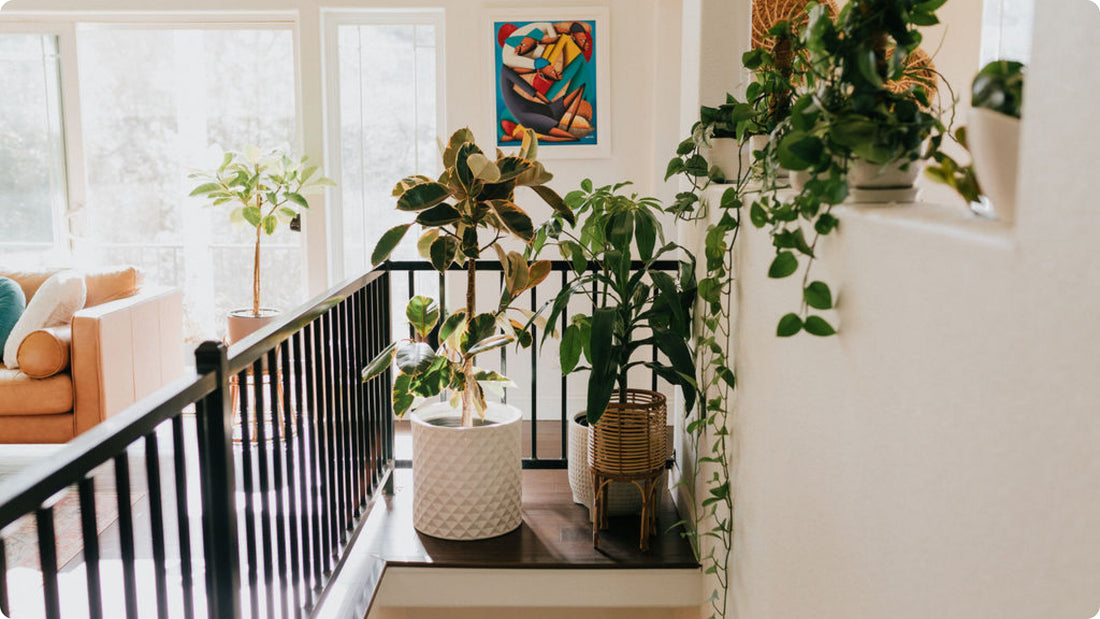
Hawaiian Spider Plants are like the friendly neighbors of the plant world—easygoing, low-maintenance, and always a joy to have around. But what happens when these tropical beauties face the chill of an unexpected cold snap? Cold damage can leave your Hawaiian Spider Plant looking worse for wear, but don't worry, there are plenty of ways to nurse them back to health.
This guide will walk you through identifying cold damage in your Hawaiian Spider Plant and provide actionable steps to revive your plant. Whether you're a seasoned plant parent or just starting your green journey, you'll find useful tips and insights to help your leafy friend thrive once again.
Identifying Cold Damage
First things first, how do you know if your Hawaiian Spider Plant is suffering from cold damage? It might not be waving a white flag, but there are telltale signs that your plant is feeling a little under the weather. Look for these symptoms:
- Discolored Leaves: Yellowing or browning leaves are the most common indicators that your plant is cold-stressed. Cold snaps can cause the chlorophyll in the leaves to break down, leading to discoloration.
- Wilting or Drooping: If your plant has lost its perkiness and the leaves are hanging limp, it might be due to the cold.
- Leaf Tips Turning Brown: This is a critical sign. When the edges or tips of the leaves start to brown, it's often a response to the cold.
- Stunted Growth: If your plant isn't growing as it should be, it may be due to a recent cold spell.
Once you identify these signs, it's time to play plant doctor and start the recovery process. But don't panic—like a good cup of tea, plants often just need a bit of warmth and care to bounce back.
Moving to a Warmer Location
Think of your Hawaiian Spider Plant as a sun-loving beachgoer who accidentally ended up in Alaska. The first step to rescue it from the cold is to move it to a cozier spot. Here’s how you can do it:
- Find a Sunny Spot: Look for a location in your home that gets plenty of indirect sunlight. While direct sunlight can scorch the leaves, indirect sunlight will provide the warmth your plant needs to recover.
- Away from Drafts: Keep your plant away from windows that might be drafty. If you feel a cold breeze, your plant will too.
- Near a Heater: While proximity to a heater can be beneficial, make sure not to place the plant too close, as this can dry it out.
Relocating your plant to this toasty spot will give it the best chance at recovery. Just like you wouldn’t want to stay in a cold room, your plant will thrive in a warm, welcoming environment.
Watering Wisely
When it comes to watering, plants are a bit like Goldilocks—they need it just right. Too much or too little can cause additional stress, especially after cold damage. Here’s how to water your Hawaiian Spider Plant effectively:
- Check the Soil: Before you pour on the H2O, poke your finger about an inch into the soil. If it feels dry, it’s time to water.
- Water Thoroughly: When you do water, ensure you’re soaking the soil thoroughly. The water should drain out the bottom of the pot, ensuring the roots are getting a good drink.
- Avoid Waterlogging: Never let your plant sit in water. Empty the saucer under the pot after watering to prevent root rot.
Watering might seem simple, but it’s an art. Think of it as a dance you and your plant are doing together, learning each other's rhythms and needs.
Trimming Damaged Leaves
Next, it’s time to give your plant a bit of a haircut. Trimming away the damaged parts of the leaves can help your plant focus its energy on new growth and recovery. Here’s how to do it:
- Use Clean Scissors: Always use sterilized scissors to prevent the spread of disease.
- Cut at an Angle: When trimming, cut at a slight angle to mimic the natural shape of the leaf.
- Don’t Overdo It: Only remove the parts that are clearly dead or damaged. A little bit of brown is okay if the rest of the leaf is healthy.
Think of this as giving your plant a fresh start. It’s like a new haircut that leaves you feeling refreshed and ready to take on the world!
Improving Humidity Levels
Humidity is another factor that can greatly affect your Hawaiian Spider Plant’s recovery. These plants hail from tropical climates where moisture is abundant, so mimicking that environment can help them perk up.
- Mist Regularly: Use a spray bottle to mist your plant regularly. This helps replicate the humid conditions they love.
- Group Plants Together: Plants naturally release moisture into the air, so clustering them can increase local humidity.
- Use a Humidifier: If you live in an especially dry area, a humidifier can be a great investment for both you and your plants.
Humidity might sound like a small detail, but it plays a huge role in the health of tropical plants. Plus, a humid environment can be great for your skin too—talk about a win-win!
Feeding Your Plant
Once your plant starts to recover, it might be time for a little meal. Like us, plants need nutrients to grow strong and healthy. Here’s how to feed your Hawaiian Spider Plant:
- Choose the Right Fertilizer: Use a balanced, water-soluble fertilizer. Look for one with equal parts nitrogen, phosphorus, and potassium.
- Follow the Instructions: More isn’t always better. Follow the instructions on the fertilizer package to avoid overwhelming your plant.
- Feed During the Growing Season: Spring and summer are the best times to fertilize, as this is when the plant naturally grows.
Feeding your plant can feel like nurturing a child. It’s all about providing the right nutrients at the right time to help them flourish.
Monitoring for Pests
Unfortunately, pests love a stressed plant. After cold damage, keep an eye out for unwanted visitors who might be taking advantage of your plant’s weakened state. Here’s what to look for:
- Inspect Regularly: Check the undersides of leaves and along the stems for any signs of pests.
- Use Natural Remedies: If you spot pests, try using a mild soap solution or neem oil to deter them.
- Keep the Area Clean: Regularly wipe down the leaves to remove dust and reduce hiding spots for pests.
Think of pest control as part of your plant’s security system. By keeping an eye out, you’re ensuring your plant stays safe and healthy.
Patience and Consistency
Recovering from cold damage is not an overnight process. It requires patience and consistency. Think of it as a marathon, not a sprint. Here’s how to maintain the right mindset:
- Be Patient: Plants, like people, need time to heal. Don’t expect immediate results.
- Stay Consistent: Keep up with watering, feeding, and monitoring. Consistency is key to a healthy plant.
- Celebrate Small Wins: Notice a new leaf or a slightly perkier plant? Celebrate those victories!
This journey is about learning and growing alongside your plant. With patience and a little bit of love, your Hawaiian Spider Plant will be back to its tropical glory in no time.
Creating a Plant-Friendly Environment
Lastly, creating a plant-friendly environment in your home can make a world of difference. It’s about making your space feel like a welcoming jungle for your green friends. Here’s how:
- Incorporate Various Plants: Mix and match different types of plants to create a diverse and thriving indoor garden.
- Use Plant Stands: Elevate your plants to give them the best possible light and to create a stunning visual display.
- Rotate Your Plants: Turn your plants occasionally to ensure even growth and light exposure.
Creating a plant-friendly environment is like designing a little slice of paradise within your home. It’s all about making your space a haven for you and your plants to enjoy.
Final Thoughts
Reviving a Hawaiian Spider Plant from cold damage might seem challenging, but with the right care and attention, you can help it bounce back to its vibrant self. From finding the perfect spot to watering wisely and keeping an eye out for pests, each step you take brings your plant closer to recovery.
At Cafe Planta, we're passionate about helping you care for your plants. Whether you need advice or a new addition to your collection, we're here to assist. Feel free to reach out via email or connect with us on Instagram. Let's grow together!

















