
How To Grow Hawaiian Spider Plants With Hydroponics
Cafe Planta Team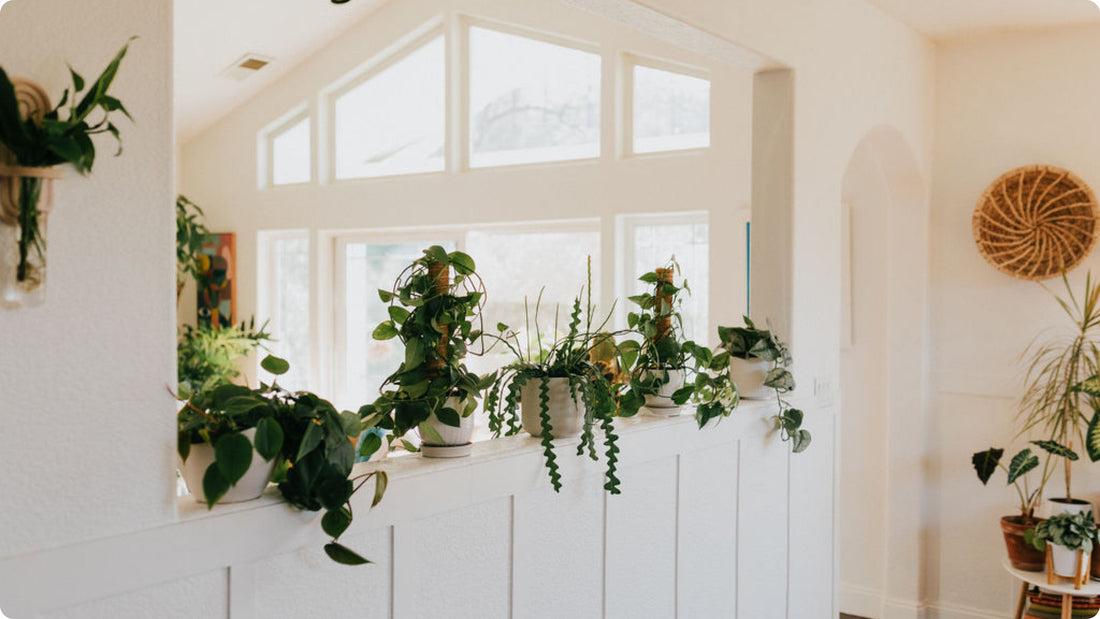
Hawaiian spider plants, with their striking green-and-white-striped leaves, are a popular choice for plant lovers looking to add a touch of nature to their indoor spaces. They're not just beautiful; they're also relatively easy to care for and can thrive in a variety of environments. But have you ever considered growing them through hydroponics? This soilless method can offer a unique way to nurture your spider plants, and it might just be the change of pace your plant care routine needs.
In this article, we'll dive into everything you need to know about growing Hawaiian spider plants using hydroponics. From setting up your system to maintaining the perfect environment, we'll cover all the essentials. Whether you're a seasoned plant parent or just starting out, you'll find useful tips and insights to help you succeed in this rewarding endeavor.
Why Choose Hydroponics for Spider Plants?
Hydroponics is a method of growing plants without soil, using mineral nutrient solutions in a water solvent. It might sound a bit high-tech, but it's actually a straightforward process once you get the hang of it. So, why would you choose hydroponics for your Hawaiian spider plants?
First, hydroponics allows for better control over nutrient intake. Since the nutrients are dissolved directly in the water, your plants can absorb exactly what they need without any soil interference. This often leads to faster growth and healthier plants. Additionally, hydroponics can be a cleaner option. Without soil, you're less likely to have to deal with pests and dirt, making it a perfect choice for indoor gardening.
Moreover, hydroponics can be a space-saver. If you're living in an apartment or a house with limited outdoor space, a hydroponic system can fit neatly on a shelf or a windowsill. It's an efficient way to enjoy gardening without needing a yard or a garden plot.
Setting Up Your Hydroponic System
Before you start growing your Hawaiian spider plants hydroponically, you'll need to set up a basic system. Don't worry, it's easier than it sounds! Here's a step-by-step guide to getting started:
- Choose Your System Type: There are several types of hydroponic systems, but for beginners, the wick system or the Kratky method is often recommended. Both are simple, do not require pumps, and are perfect for small plants like spider plants.
- Gather Materials: You'll need a container (such as a mason jar or a small bucket), a net pot, a growing medium (like clay pebbles or perlite), nutrient solution, and a piece of wick if you're using a wick system. Make sure your container is opaque to prevent algae growth.
- Assemble the System: Place the net pot in the container lid, fill it with your chosen growing medium, and ensure the wick reaches the nutrient solution. The Kratky method doesn't require a wick; instead, the roots simply sit in the nutrient solution.
Once everything is set up, you're ready to introduce your Hawaiian spider plant to its new home. Remember, the key to success in hydroponics is maintaining a stable environment, so keep an eye on light, temperature, and nutrient levels.
Selecting the Right Nutrients
Choosing the right nutrients is crucial for the growth and health of your hydroponically grown spider plants. The nutrient solution should contain all the essential macro and micronutrients that your plant would typically receive from soil.
For starters, you can purchase pre-made hydroponic nutrient solutions, which are widely available and formulated to provide balanced nutrition. These often contain a mix of nitrogen, phosphorus, potassium, calcium, magnesium, and trace elements like iron and zinc.
If you're feeling adventurous, you can mix your own solution. However, this requires a bit more research and precision. It's important to follow the instructions on the nutrient packaging closely, as over-fertilization can harm your plants.
Regularly monitor and adjust the pH level of the nutrient solution as well. Spider plants prefer a pH range of 6.0 to 6.5. You can use a pH meter or test strips to ensure the water stays within this range.
Maintaining the Right Environment
Your Hawaiian spider plants will need a consistent environment to thrive in a hydroponic system. Here are some key factors to keep in mind:
- Light: Spider plants prefer bright, indirect sunlight. Too much direct sunlight can scorch the leaves, while too little can stunt growth. A north or east-facing window is usually ideal. If natural light is limited, consider using fluorescent or LED grow lights.
- Temperature: Keep the temperature between 65°F and 75°F (18°C to 24°C). Spider plants are quite tolerant but may suffer if exposed to drafts or sudden temperature changes.
- Humidity: These plants enjoy moderate humidity. If your home is particularly dry, especially during winter, you might want to use a humidifier or place a small tray of water near your plant to increase moisture in the air.
By maintaining these conditions, you'll provide your spider plants with an environment that mimics their natural habitat, promoting healthier growth and vibrant foliage.
Transplanting Spider Plants to Hydroponics
Transplanting your spider plant from soil to a hydroponic system might seem daunting, but it's a straightforward process with a bit of care and patience. Here's how you can do it:
- Prepare the Plant: Start by gently removing the spider plant from its pot. Shake off the excess soil and rinse the roots under lukewarm water to remove any remaining dirt.
- Inspect the Roots: Check the roots for any signs of damage or disease. Trim off any brown, mushy, or damaged roots with sterilized scissors.
- Place in Hydroponic System: Position the plant in the net pot and add your chosen growing medium around it. Ensure the roots are in contact with the nutrient solution or wick.
Transplanting can be a bit stressful for the plant, so be gentle and try to minimize disturbance. Your spider plant might take a few days to adjust to its new environment, but with proper care, it should thrive.
Common Problems and Solutions
Even with the best care, you might encounter some issues when growing Hawaiian spider plants hydroponically. Here are a few common problems and their solutions:
- Leaf Browning: This can be caused by too much direct sunlight, fluoride in the water, or a lack of humidity. Ensure your plant is in bright, indirect light and use distilled or rainwater if fluoride is an issue. Increase humidity if necessary.
- Root Rot: This is a common problem in hydroponics, often due to overwatering or poor aeration. Make sure the roots aren't completely submerged and that there's adequate air circulation.
- Pest Infestation: While less common in hydroponics, pests like spider mites or aphids can still appear. You can treat them with insecticidal soap or neem oil. Regularly check your plants to catch any infestations early.
Addressing these issues promptly will help keep your spider plants healthy and vibrant. Remember, every plant is unique, so be observant and adjust your care routine as needed.
Benefits of Hydroponic Spider Plants
Growing Hawaiian spider plants with hydroponics isn't just a trendy endeavor; it offers several benefits that can make your plant care routine more enjoyable and rewarding. Let's take a closer look at why you might want to consider this method:
- Cleaner Environment: With no soil, you reduce the risk of dirt and mess in your home. This can be a big plus for those who prefer a tidy living space.
- Faster Growth: Hydroponic systems often promote quicker plant growth compared to traditional soil methods. Your spider plants can reach their full potential more rapidly, offering a sense of achievement.
- Space Efficiency: Hydroponics allows you to grow plants in smaller spaces. This is ideal for city dwellers or anyone with limited room for traditional gardening.
These benefits, combined with the beauty and air-purifying qualities of spider plants, make hydroponics an appealing choice for any plant lover looking to try something new.
Designing Your Space with Hydroponic Spider Plants
Incorporating hydroponic spider plants into your home isn't just about growing them; it's also about enhancing your interior design. Here are some ideas to integrate these gorgeous plants into your space:
- Vertical Gardens: Use wall-mounted shelves or hanging baskets to create a vertical garden. This not only saves space but also adds a stunning green focal point to any room.
- Tabletop Displays: Place your hydroponic setup on a coffee table or desk. The unique appearance of the system can serve as a conversation starter while bringing a touch of nature indoors.
- Window Sills: Utilize window sills to give your plants the light they need while showcasing their beauty. This works especially well in kitchens or sunrooms.
When designing your space with hydroponic spider plants, consider the aesthetic you want to achieve. Whether you're going for a minimalist look or a lush, jungle-like atmosphere, these adaptable plants can fit right in.
Final Thoughts
Growing Hawaiian spider plants using hydroponics can be a delightful and rewarding experience. From setting up your system to maintaining a healthy environment, each step offers an opportunity to learn and enjoy the process. With the right care and attention, your spider plants can thrive in a soilless environment, adding beauty and life to your home.
At Cafe Planta, we're passionate about helping you find the perfect plants for your space. Whether you're looking for houseplants, plant care accessories, or plant-themed apparel, we have something for everyone. If you have any questions about caring for your plants, don't hesitate to email us or send us a message on Instagram. We believe in the power of plants to connect people and bring nature into our lives, and we're excited to help you create a thriving plant collection in your home.

















