
Are Heartleaf Philodendrons Pet Friendly?
Cafe Planta Team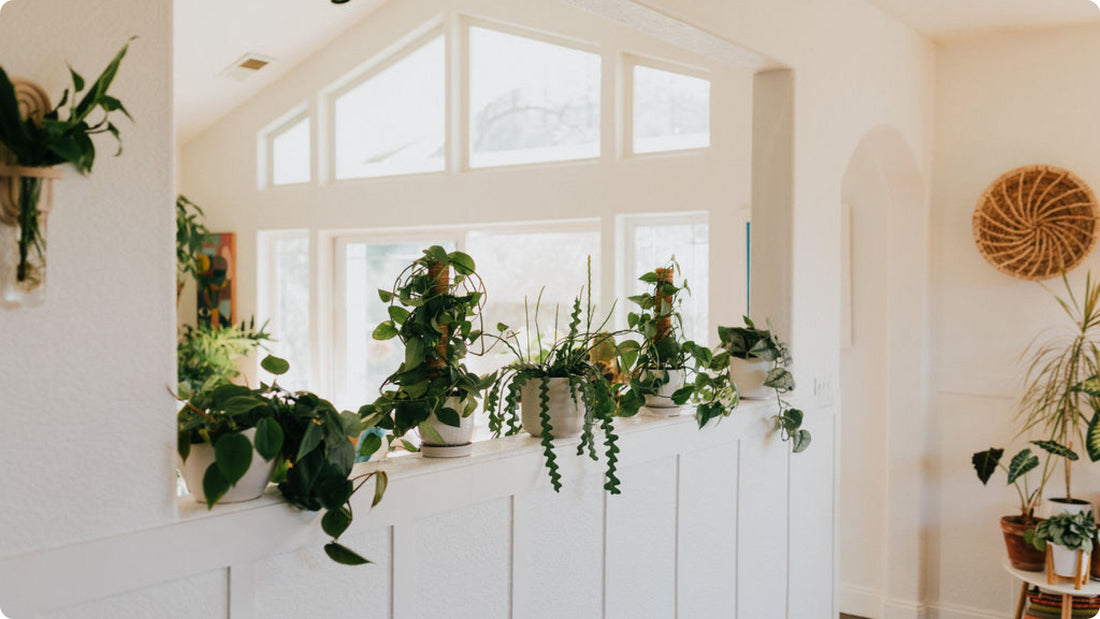
Heartleaf Philodendrons are a staple in many homes, their lush green leaves cascading beautifully from shelves and hanging baskets. But as we bring these lovely plants into our living spaces, a common concern arises: Are Heartleaf Philodendrons safe for pets? It's an important question for those of us who share our homes with curious cats and playful pups.
In this article, we'll explore whether Heartleaf Philodendrons are pet-friendly, and we'll dive into practical ways to keep both your plants and furry friends safe. We'll also touch on the joys of incorporating these plants into your home décor, so you can create a harmonious living space for all members of the family.
Understanding Heartleaf Philodendrons
Heartleaf Philodendrons, scientifically known as Philodendron hederaceum, are beloved for their heart-shaped leaves and trailing vines. They're perfect for adding a touch of greenery to any space and are known for being easy to care for. These plants thrive in low to medium light, making them ideal for indoor environments.
But let's get to the heart of the matter: their safety around pets. Heartleaf Philodendrons contain calcium oxalate crystals, which can be toxic to cats and dogs if ingested. These crystals can cause irritation in the mouth and gastrointestinal tract, leading to symptoms such as drooling, vomiting, and difficulty swallowing.
While the effects are usually not life-threatening, they can be uncomfortable for your furry friends. It's important to be aware of these potential risks and take steps to prevent any mishaps.
Recognizing Symptoms of Plant Toxicity in Pets
If you're a pet owner, it's crucial to recognize the signs of plant toxicity. After all, our pets can't tell us when something's wrong, but their behavior can speak volumes. Here are some symptoms to watch out for if you suspect your pet has nibbled on a Heartleaf Philodendron:
- Drooling: Excessive drooling is a common reaction to irritation in the mouth caused by calcium oxalate crystals.
- Vomiting: If your pet has ingested part of the plant, vomiting may occur as the body tries to expel the irritant.
- Pawing at the Mouth: Pets may paw at their mouths in an attempt to alleviate the discomfort.
- Decreased Appetite: Oral irritation can make eating uncomfortable, leading to reduced food intake.
- Swelling: Some pets may experience swelling of the lips, tongue, or throat, which can cause difficulty breathing in severe cases.
If you notice any of these symptoms, it's important to contact your veterinarian promptly. They can provide guidance on how to proceed and ensure your pet's well-being.
Preventing Plant-Related Mishaps
Now that we know Heartleaf Philodendrons can pose a risk to pets, what can we do about it? Thankfully, there are plenty of ways to enjoy these beautiful plants while keeping your pets safe. Here are some practical strategies:
- Placement: Position your Heartleaf Philodendrons out of reach. Hanging baskets or high shelves are great options to keep them away from curious noses and paws.
- Training: Teach your pets that plants are off-limits. Positive reinforcement can go a long way in training pets to avoid certain areas or objects in your home.
- Alternative Plants: Consider pet-friendly alternatives if you're worried about potential risks. Options like spider plants, Boston ferns, and bamboo palms are all beautiful and non-toxic to pets.
- Deterrents: Use pet-safe deterrent sprays on your plants to discourage nibbling. A quick spray of diluted vinegar or a commercial pet deterrent can work wonders.
By taking these precautions, you can enjoy the beauty of Heartleaf Philodendrons without compromising your pet's safety.
Creating a Pet-Friendly Plant Space
Designing a home that accommodates both plants and pets is a rewarding challenge. With a little creativity, you can create a space that's safe, stylish, and functional. Here are a few tips to get you started:
- Use Vertical Space: Take advantage of vertical surfaces by installing wall-mounted planters or hanging baskets. This keeps plants out of reach and adds visual interest to your space.
- Designate a Plant Zone: Create a specific area in your home for your plants, such as a sunlit corner or a dedicated plant shelf. This helps contain your greenery and makes it easier to keep an eye on your pets.
- Layer Your Greenery: Use a variety of plant heights and textures to create depth and visual appeal. You can layer taller, pet-friendly plants with trailing Heartleaf Philodendrons for a lush look.
- Rotate Plants Regularly: Changing the location of your plants periodically can prevent pets from getting too familiar with them and reduce the risk of accidental nibbles.
By thoughtfully arranging your plants, you can enhance the beauty of your home while ensuring it remains a safe haven for your pets.
Choosing Pet-Friendly Alternatives
If you're concerned about the potential risks of Heartleaf Philodendrons, there are plenty of pet-friendly alternatives to consider. Here are a few options to spice up your indoor garden without compromising your pet's safety:
- Spider Plants: These easy-to-care-for plants are non-toxic to pets and are known for their air-purifying qualities.
- Parlor Palms: With their elegant fronds, parlor palms add a touch of tropical flair to any room and are safe for cats and dogs.
- Boston Ferns: Known for their lush foliage, Boston ferns are a great choice for pet-friendly homes and thrive in humid environments.
- Bamboo Palms: These palms are not only safe for pets but also excellent at improving indoor air quality.
These alternatives allow you to enjoy the beauty and benefits of indoor plants without worrying about potential hazards for your pets.
Integrating Heartleaf Philodendrons into Interior Design
Despite their potential risks, Heartleaf Philodendrons can be a stunning addition to your interior design. Their trailing vines and vibrant green leaves add a touch of elegance and life to any space. Here's how to incorporate them into your home décor:
- Hanging Baskets: Use hanging baskets to display your Heartleaf Philodendrons. This not only keeps them out of reach of pets but also adds vertical interest to your space.
- Bookshelf Accents: Let the vines drape over shelves or bookcases for a cascading effect that draws the eye and adds a sense of movement.
- Centerpieces: Use Heartleaf Philodendrons in table centerpieces by placing them in decorative pots or terrariums for a touch of sophistication.
- Complementary Colors: Pair the rich green leaves with complementary colors in your décor, such as warm woods, metallic accents, or soft textiles.
By thoughtfully incorporating Heartleaf Philodendrons into your interior design, you can enjoy their beauty while maintaining a pet-safe environment.
Educating Guests and Family Members
If you have visitors or family members who aren't familiar with plant safety, it's important to educate them about the potential risks of Heartleaf Philodendrons. Here are some ways to keep everyone informed:
- Inform Guests: Let visitors know about the presence of potentially toxic plants in your home, especially if they have pets or young children.
- Label Your Plants: Consider labeling your plants with their names and toxicity levels to provide a quick reference for anyone who might be curious.
- Share Knowledge: If you have fellow plant lovers in your circle, share your knowledge about pet-safe plants and the importance of keeping certain species out of reach.
By fostering awareness and open communication, you can ensure that everyone in your home understands the importance of plant safety.
Maintaining a Balanced Home Environment
Creating a home that accommodates both plants and pets is all about finding balance. It's a journey of trial and error, but with a little patience and perseverance, you can achieve harmony. Here are some tips for maintaining a balanced home environment:
- Observe Your Pets: Pay attention to your pets' behavior around plants and adjust your setup as needed to prevent any issues.
- Rotate Toys and Plants: Keep your pets engaged by regularly rotating their toys and the placement of your plants.
- Involve Your Pets: Include your pets in your plant care routine by letting them observe or sniff your activities (as long as they're not too close to potentially toxic plants).
With a little creativity and flexibility, you can create a home that's both beautiful and safe for everyone.
Final Thoughts
In conclusion, while Heartleaf Philodendrons are not the most pet-friendly plants, with some precautions, you can still enjoy their beauty without putting your furry friends at risk. By being mindful of plant placement and considering pet-friendly alternatives, you can create a harmonious living space for both plants and pets.
At Cafe Planta, we love helping plant lovers find the perfect additions to their homes. Whether you're looking for a unique plant or advice on plant care, we're here to help. Feel free to reach out to us via email or connect with us on Instagram. Let's make your home a green oasis for you and your pets!

















