
How To Grow Hoya Linearis With Hydroponics
Cafe Planta Team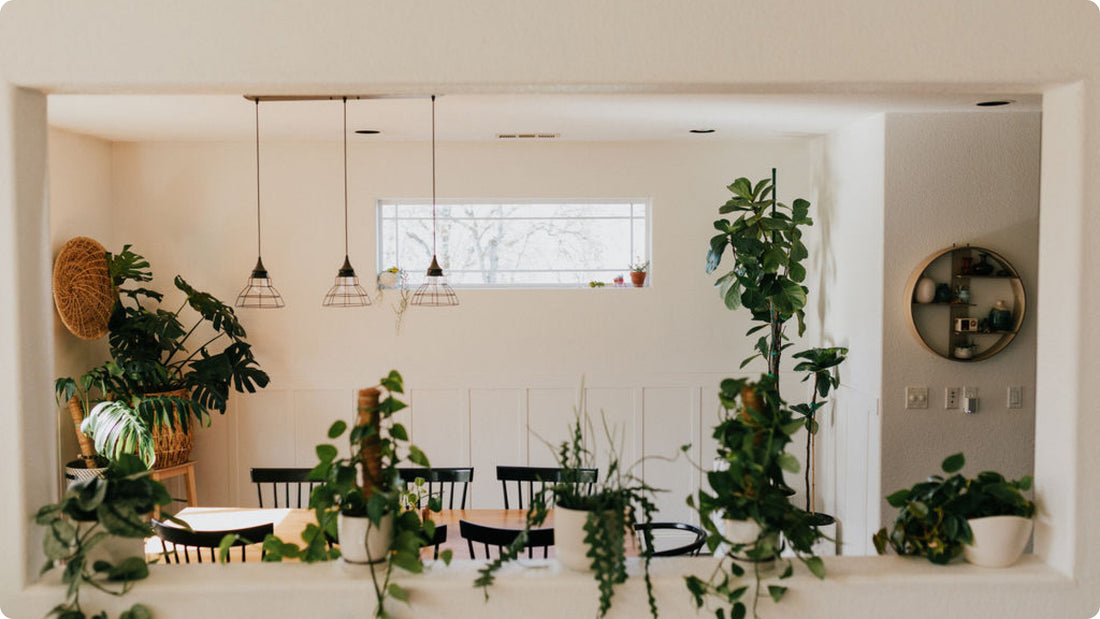
Have you ever thought about growing houseplants without soil? It might sound a bit like science fiction, but hydroponics is a real and exciting way to cultivate plants indoors. Imagine having a Hoya Linearis, known for its graceful, trailing vines and delicate foliage, thriving right in your home using just water and nutrients.
In this article, we’ll explore how to successfully grow Hoya Linearis using hydroponics. We’ll cover everything from setting up your system to maintaining your plant’s health. By the end, you’ll have the knowledge to transform your home into a green oasis with this unique method.
What Makes Hoya Linearis Special?
Before diving into the world of hydroponics, let’s chat a bit about why Hoya Linearis is worth your attention. Unlike some of the more common houseplants, Hoya Linearis boasts long, slender leaves that appear almost like a cascade of green strands. It's a plant that brings an elegant, soft touch to any room.
Native to the Himalayas, this plant thrives in cooler environments with high humidity. It’s a bit of a diva when it comes to its needs, preferring indirect light and a touch of moisture in the air. However, its beauty and the sense of tranquility it adds to a space make it a favorite among plant lovers.
But why hydroponics? The traditional method of growing plants in soil works just fine, right? Well, hydroponics offers a few unique advantages, particularly for a plant like Hoya Linearis. Without soil, there’s less risk of pests, and you have greater control over the nutrients your plant receives. Plus, it’s a neat, clean way to cultivate plants indoors.
Setting Up Your Hydroponic System
Getting started with hydroponics might seem a bit intimidating, but with some basic materials and a bit of patience, you’ll be up and running in no time. For starters, you’ll need a few essentials:
- A container or reservoir for water
- A hydroponic net pot or basket
- Hydroponic growing medium, like clay pebbles or perlite
- Nutrient solution formulated for hydroponics
- An air pump and air stone (optional, but recommended)
Your first step is to select a suitable container. This could be anything from a simple plastic tub to a more specialized hydroponic unit. Make sure it’s large enough to accommodate the root system of your Hoya Linearis as it grows.
Next, choose your growing medium. While soil is out of the equation, materials like clay pebbles or perlite offer structure for the roots and excellent drainage. Place your Hoya in a net pot filled with this medium, allowing the roots to dangle into the water.
Adding an air stone connected to an air pump can help oxygenate the water, keeping your plant's roots healthy. It’s like giving them a constant supply of fresh air, which they’ll love!
Nutrient Solutions: The Plant’s Diet
In hydroponics, the nutrient solution is key. This is what feeds your plant, providing all the essential elements it needs to grow. Think of it as your plant’s gourmet meal delivery service, minus the fancy packaging.
Choosing the right nutrient solution is crucial. You can find pre-mixed solutions at most garden centers or online. Look for one that’s balanced and formulated for hydroponic systems. These solutions typically contain a mix of nitrogen, phosphorus, potassium, and trace elements.
Mix the nutrient solution according to the instructions, and pour it into your water reservoir. It’s important to regularly check the pH level of your solution, aiming for a range between 5.5 to 6.5. This ensures that the nutrients remain available to your plant.
Regularly change and replenish your nutrient solution every two to three weeks. This keeps the solution fresh and prevents any build-up of salts or unwanted chemicals that might harm your Hoya Linearis.
Lighting: Shedding Some Light on Growth
Like most plants, Hoya Linearis thrives with the right balance of light. While it loves bright, indirect sunlight, too much direct exposure can scorch its delicate leaves. When growing hydroponically, you have the added flexibility to adjust lighting conditions more precisely.
If your home doesn’t get enough natural light, consider using grow lights. LED grow lights are a great choice because they’re energy-efficient and can be easily adjusted to suit the needs of your plant. Aim to provide your Hoya with about 12 to 16 hours of light per day.
Remember, lighting is about balance. If you notice your plant becoming leggy or losing its vibrant color, it might be a sign that it’s not getting enough light. On the flip side, if the leaves start to look burnt or crispy, they might be getting too much.
Maintaining Humidity: Keeping Things Comfortable
As a plant native to the mountains, Hoya Linearis appreciates a bit of humidity. In a home setting, maintaining consistent humidity levels can be challenging, especially during the winter months when indoor heating tends to dry out the air.
Here are a few strategies to keep humidity in check:
- Use a humidifier: This is the most straightforward way to boost humidity around your plants.
- Group plants together: Plants naturally release moisture, so clustering them can create a microenvironment with higher humidity.
- Mist regularly: Lightly mist your Hoya Linearis with water every few days to provide a temporary humidity boost.
It’s important to strike a balance because too much moisture can lead to fungal issues, while too little can cause the plant to dry out. If you notice the leaves becoming crispy at the edges, it might be time to up the humidity.
Monitoring Growth and Health
Keeping an eye on your Hoya Linearis is part of the fun of being a plant parent. In a hydroponic setup, you’ll want to monitor both the plant’s above-ground appearance and its roots.
Check the roots regularly to ensure they’re healthy. They should be white or light tan and firm to the touch. If they appear brown or slimy, it might be a sign of root rot, which can occur if the water becomes stagnant or lacks sufficient oxygen.
Above the surface, watch for signs of growth. New leaves and vines are good indicators that your plant is happy and thriving. If growth seems stunted or leaves start to yellow, revisit your lighting, nutrient solution, and water quality.
Don't be afraid to prune your Hoya Linearis to encourage bushier growth. Trim back any dead or unhealthy-looking stems to promote new growth and maintain an attractive shape.
Dealing with Pests and Diseases
One of the upsides of growing plants hydroponically is the reduced risk of soil-borne pests and diseases. However, this doesn’t mean your Hoya Linearis is completely immune to issues.
Common pests like aphids, mealybugs, and spider mites can still find their way to your plant. Regularly inspect the leaves, especially the undersides, for any signs of infestation. If you spot pests, try washing them off with a gentle stream of water or using an insecticidal soap.
Diseases in hydroponic systems often stem from poor water quality or inadequate aeration. Keeping your nutrient solution fresh and ensuring good oxygen flow can prevent most issues. If your plant shows signs of disease, like wilting or discolored leaves, act quickly to address the problem.
Remember, a healthy plant is the best defense against pests and diseases. Consistent care and monitoring will go a long way in keeping your Hoya Linearis happy.
Styling Your Space with Hoya Linearis
Beyond the technical aspects of growing, let’s not forget the joy of styling your home with plants. Hoya Linearis, with its trailing vines, is perfect for adding a soft, cascading effect to your decor.
Consider hanging your Hoya near a window where its vines can catch the light. Macramé hangers are a trendy option that adds an extra touch of style. Alternatively, place it on a shelf and let its vines drape elegantly down the side.
Pairing your Hoya Linearis with other plants can create a lush, layered look. Mix and match with plants of different heights and textures for a visually interesting display. Just be mindful of each plant's light and humidity needs to ensure they all thrive together.
Ultimately, how you style your Hoya is a personal choice. Experiment with different placements and arrangements until you find a setup that brings you joy and complements your space.
Common Mistakes and How to Avoid Them
Even with the best intentions, mistakes happen. Here are a few common pitfalls plant parents face when growing Hoya Linearis hydroponically, along with some tips on how to avoid them.
- Over-fertilizing: While nutrients are crucial, too much can harm your plant. Stick to the recommended dosage and schedule for your nutrient solution.
- Ignoring pH levels: pH affects nutrient availability. Regularly test your water and adjust the pH as needed to keep it within the optimal range.
- Poor lighting: Make sure your plant receives enough light, but not too much direct sunlight. Adjust your setup or use grow lights if necessary.
- Neglecting root health: Keep an eye on the roots and ensure they’re not sitting in stagnant water. Consider using an air stone to improve oxygenation.
Growing plants is a journey, and every plant parent encounters challenges. The key is to learn from each experience, stay curious, and enjoy the process of nurturing your green companions.
Final Thoughts
Growing Hoya Linearis hydroponically combines the beauty of this unique plant with the fascinating world of soil-free gardening. By understanding its needs and setting up a nurturing environment, you can enjoy a thriving indoor garden.
Here at Cafe Planta, we love helping plant lovers like you discover the joys of houseplant care. Whether you're looking for new plants, care accessories, or just some friendly advice, we're here for you. Feel free to email us or drop a DM on Instagram. We believe plants bring people together, and we're excited to be part of your plant journey!

















