
How To Grow Maidenhair Ferns With Hydroponics
Cafe Planta Team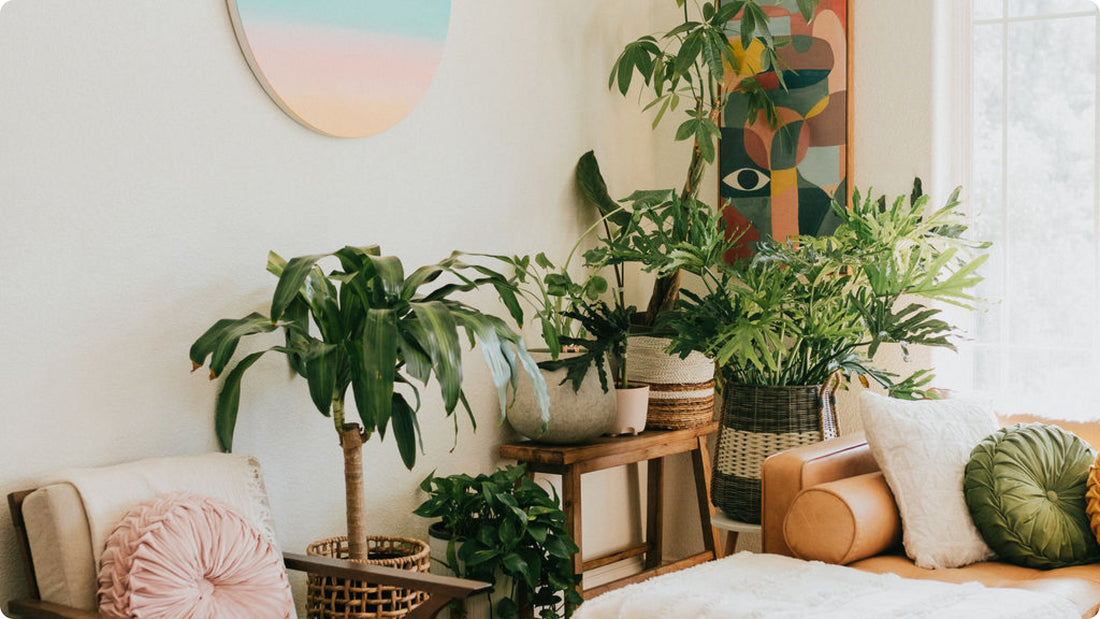
Growing maidenhair ferns can be a bit tricky, but doing so hydroponically? Now, that's a fun challenge! These lovely, delicate plants are known for their feathery foliage and love for moisture, making them perfect candidates for a hydroponic setup.
In this post, we’ll explore how you can grow these charming ferns without soil, using water and nutrients to create a lush, green oasis in your home. From setting up your system to maintaining the perfect environment, we'll cover every step to ensure your fern thrives.
Why Choose Hydroponics for Maidenhair Ferns?
Let's start with the big question: why go hydroponic? Well, hydroponics is a method of growing plants using mineral nutrient solutions in water, without soil. Sounds fancy, right? This technique offers several benefits for maidenhair ferns, particularly since they love humidity and consistent moisture.
One of the main advantages is control. With hydroponics, you have direct control over the nutrients and water your plants receive. Since maidenhair ferns are sensitive to changes in their environment, this control helps keep them happy. Plus, hydroponics can be a cleaner solution since you won't be dealing with soil, which can harbor pests and diseases.
Additionally, hydroponic systems can save space and water, making them an eco-friendly choice. They’re perfect for urban living or if you just want to experiment with a new way of gardening. And let's be honest, they look pretty cool too!
Setting Up Your Hydroponic System
To start your hydroponic journey with maidenhair ferns, you’ll need to set up a system that caters to their needs. Don't worry, it's easier than it sounds. Here's what you'll need:
- Container: Start with a container that holds water and your plant. It should be opaque to prevent algae growth.
- Net Pots: These are used to hold your plant in place. They allow roots to dangle freely in the nutrient solution.
- Growing Medium: While soil is a no-go, you can use materials like clay pebbles or rock wool.
- Nutrient Solution: This is the lifeblood of your hydroponic system. A balanced nutrient mix specific for ferns will do wonders.
- Water Pump and Air Stone: These help circulate nutrients and oxygen, keeping your plant healthy.
Once you've gathered your supplies, it's time to assemble. Cut holes in the lid of your container for the net pots, ensuring they fit snugly. Fill the container with your nutrient solution, and place the net pots in the holes, adding your maidenhair fern to the pots. Make sure the roots are touching the solution, and you're good to go!
Nutrient Needs for Maidenhair Ferns
Feeding your maidenhair ferns the right nutrients is crucial for their hydroponic success. These ferns are a bit picky, but once you know what they need, it's a breeze.
Maidenhair ferns thrive on a nutrient solution that's rich in nitrogen, potassium, and phosphorus. These essential nutrients promote healthy growth and vibrant foliage. You can find pre-mixed solutions designed for ferns at most garden centers.
Here’s a quick rundown on what to look for:
- Nitrogen (N): Essential for leaf growth and development.
- Phosphorus (P): Supports root growth and overall plant health.
- Potassium (K): Helps with water regulation and disease resistance.
It's important to regularly check the pH level of your nutrient solution, keeping it between 5.5 and 6.5. pH strips or a digital meter can help you monitor this. Adjust as needed with pH up or down solutions to keep your ferns happy.
Lighting Requirements
Light is another crucial factor for the health of your maidenhair ferns. These plants love indirect light, which can be a bit of a balancing act when setting up a hydroponic system indoors.
If natural light is limited, consider using grow lights. Full-spectrum LED grow lights are a great option as they mimic natural sunlight without the heat. Position the lights about 12 to 18 inches above your ferns to ensure they get adequate exposure without scorching the leaves.
Keep the lights on for about 12 to 16 hours a day. If you're worried about forgetting to turn them on or off, a timer can be a lifesaver. Just like with people, consistency is key for plants when it comes to light exposure.
Remember, these ferns naturally grow under tree canopies, so they prefer dappled light rather than direct sun. Too much direct light can burn their delicate leaves, so if you notice any browning, consider adjusting the light source.
Maintaining Humidity and Temperature
Maidenhair ferns are humidity-loving plants that thrive in warm, moist environments. They hail from tropical regions, so recreating these conditions in your home is essential for their well-being.
For these ferns, aim for a humidity level of around 50-70%. You can achieve this by using a humidifier or placing a tray of water near your plants. Misting the leaves occasionally can also help, but make sure not to overdo it as stagnant water can lead to fungal issues.
Temperature-wise, keep your ferns in a space where it stays between 60-75°F (15-24°C). Avoid placing them near drafts, heaters, or air conditioners, as fluctuations in temperature can stress the plant.
If you find it challenging to maintain these conditions, consider setting up a terrarium or using a humidity dome. These can create a micro-climate that keeps your ferns in their happy place.
Pruning and Maintenance
Like any plant, maidenhair ferns benefit from regular grooming. Pruning not only keeps your fern looking its best but also encourages new growth and prevents disease.
Start by inspecting your fern for any dead or yellowing leaves, especially around the edges. These should be removed gently using clean scissors or pruning shears. Cutting close to the base will ensure you don't leave any unsightly stubs.
Regular pruning helps improve air circulation around the plant, reducing the risk of fungal infections. It also gives you a chance to check for pests like aphids or spider mites, which can occasionally make themselves at home on your ferns.
It's also a good idea to clean your hydroponic system regularly. Algae can build up in the container, affecting water quality. A simple rinse with water and mild soap should do the trick. Just be sure to rinse thoroughly to remove any soap residue before reassembling your system.
Troubleshooting Common Problems
Even with the best care, problems can sometimes arise. But don't worry, most issues have simple solutions.
If your fern's leaves are turning brown or crispy, it might be getting too much direct light or not enough humidity. Adjust the light source or increase the humidity to see if that helps. On the other hand, if the leaves are yellowing, it could be a sign of nutrient deficiencies or overwatering. Check your nutrient levels and ensure the roots aren't sitting in stagnant water.
Pests can be another nuisance. If you spot any, a gentle spray with insecticidal soap can help. For more stubborn infestations, consider using neem oil, which is a natural pesticide that's safe for most houseplants.
Root rot is a common issue in hydroponics, especially if the roots are constantly submerged. Ensure your water levels are correct and that your air stone is providing enough oxygen to the roots.
Integrating Maidenhair Ferns into Interior Design
Maidenhair ferns add a touch of elegance to any space, and their feathery foliage brings a sense of tranquility. Here are some ideas for incorporating them into your home decor:
- Hanging Baskets: These ferns look stunning in hanging baskets, allowing their delicate leaves to cascade down.
- Terrariums: Consider placing your fern in a glass terrarium for a chic, modern look.
- Bookshelf Beauty: Tuck them on a bookshelf to add some life to your reading nook.
- Bathroom Bliss: Bathrooms are often naturally humid, making them an ideal spot for these moisture-loving plants.
When placing your ferns, think about where they’ll receive the right amount of light and humidity. Grouping them with other humidity-loving plants can create a mini jungle vibe, which is both attractive and functional.
Creating a Routine and Staying Consistent
A routine is your best friend when caring for maidenhair ferns, especially in a hydroponic setup. Consistency helps these plants to thrive and keeps you on track with their needs.
Set reminders on your phone for tasks like checking nutrient levels, pruning, and adjusting the lighting. A weekly check can prevent small issues from becoming bigger problems.
It's also helpful to keep a plant journal. Note any changes you see in your ferns, like new growth or changes in leaf color. This can help you track what works well and what might need tweaking.
Remember, plants are living beings that respond to their environment. By staying consistent and attentive, you'll be rewarded with a healthy, vibrant plant that brings joy to your space.
Final Thoughts
Growing maidenhair ferns hydroponically can be a rewarding endeavor. By carefully setting up your system, monitoring nutrient levels, and maintaining the right conditions, your ferns will thrive and become a beautiful addition to your home.
At Cafe Planta, we love helping plant lovers create beautiful spaces with our wide variety of houseplants and plant care accessories. If you have any questions, feel free to email us or reach out via Instagram. We're here to support you on your plant journey and help you connect with nature. Happy planting!

















