
How To Grow Manjula Pothos With Hydroponics
Cafe Planta Team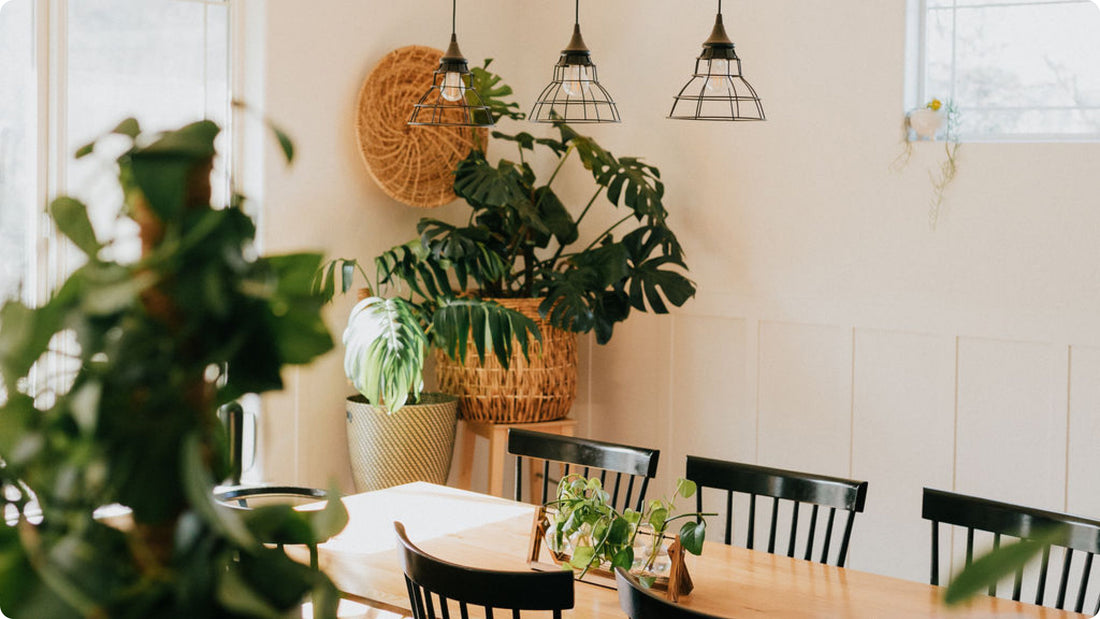
Manjula Pothos are one of those houseplants that both newbies and seasoned plant people can't get enough of. Their heart-shaped, variegated leaves bring a touch of elegance to any room. But what if you're looking to try something different than the usual soil potting? Enter hydroponics, a method that grows plants without soil. It's not only a fun experiment but can also be a cleaner, more efficient way to grow your Manjula Pothos.
Today, we're going to have some fun with hydroponics and see how you can successfully grow a Manjula Pothos this way. We'll cover everything you need, from setting up your system to maintaining your plant's health. Whether you're curious about the process or ready to jump in with both feet, we've got you covered. Let's get started!
Understanding Hydroponics
Before diving into the how-to, let's chat about what hydroponics actually is. It's a method of growing plants without soil, using mineral nutrient solutions in a water solvent instead. Sounds fancy, right? But it's actually quite simple once you break it down. The roots are submerged in a nutrient-rich water solution, allowing the plant to absorb everything it needs to thrive.
Hydroponics is beneficial for several reasons. Firstly, it uses less water than traditional soil gardening because the water is recirculated. This makes it an eco-friendly option. Secondly, because there's no soil, it's a cleaner process with less mess and fewer pests. And thirdly, plants often grow faster in a hydroponic system because they have direct access to nutrients and oxygen.
But like any method, it has its challenges. You'll need to monitor the nutrient levels and pH regularly, and the setup might require a bit of an initial investment. However, once you have everything in place, it's a rewarding way to grow your plant collection—and your Manjula Pothos will love it!
Getting Started: What You Need
Let's move on to the essentials. Setting up a hydroponic system for your Manjula Pothos doesn't have to be complex, but you will need a few specific items. Here's a simple list to get you started:
- Container: A clear glass or plastic container works well. It should be large enough to support the plant but not so big that it's unwieldy.
- Nutrient Solution: You can buy pre-mixed solutions designed for hydroponics at garden centers or online. These will provide the essential nutrients your Pothos needs.
- Net Pot: This is a small pot with plenty of holes that allows the roots to hang freely while keeping the plant itself supported.
- Growing Medium: While not strictly necessary, some people prefer using a medium like clay pebbles or rock wool to provide additional support.
- pH Meter: Maintaining the correct pH is crucial, so a pH meter or test kit is important to have on hand.
With these tools, you'll be ready to set up your hydroponic system and get your Manjula Pothos growing. Don't worry if it feels overwhelming at first; you'll get the hang of it with a bit of practice!
Setting Up Your Hydroponic System
Now that you've gathered your supplies, it's time to set up your system. This part can be quite exciting as you watch your new plant home come together.
Begin by filling your container with the nutrient solution. Follow the instructions on the package to get the right concentration. It's usually a good idea to start with a weaker solution and gradually increase the strength as your plant gets used to its new environment.
Next, place the net pot into the container. If you're using a growing medium, add it to the net pot to help support the plant. Gently position your Manjula Pothos in the pot, ensuring the roots can freely reach into the nutrient solution.
One thing to keep in mind is the positioning of your setup. Manjula Pothos enjoys bright, indirect light, so choose a spot that provides plenty of it without direct sun exposure. Too much direct sunlight can cause the leaves to scorch, which we definitely don't want!
Maintaining the Right Conditions
Setting up your system is only the beginning. To keep your Manjula Pothos happy, you'll need to maintain the right conditions, and this involves a little monitoring and tweaking.
Firstly, check the pH level of the nutrient solution regularly. Ideally, it should be between 5.5 and 6.5. If the pH is too high or too low, the plant might struggle to absorb nutrients, which could stunt its growth. You can adjust the pH using a pH-up or pH-down solution, which is available at most garden stores.
Temperature is another important factor. While Manjula Pothos are quite forgiving, they prefer temperatures between 65°F and 85°F. If your home tends to get too cold or too hot, consider adjusting your thermostat or moving your plant to a different location. Remember, consistency is key!
Nutrient Management
Managing nutrients is a crucial part of hydroponic gardening. You'll need to change the nutrient solution regularly, usually every two to three weeks. This prevents the buildup of salts and ensures your plant continues to receive a balanced diet.
When you change the solution, take the opportunity to inspect the roots. Healthy roots should be white and firm. If you notice any signs of rot or discoloration, it might indicate a problem with your nutrient balance or water quality.
Also, keep an eye on the leaves for any signs of nutrient deficiency, such as yellowing or browning. If you spot any issues, it might be worth tweaking your nutrient mix or checking the pH levels again. It's a bit like being a plant detective, figuring out what your green friend needs.
Dealing with Common Issues
Like with any plant care, you might run into some hurdles along the way. But don't worry—most issues can be resolved with a little patience and attention.
One common problem is algae growth. If your container is clear, light can penetrate and promote algae development. To combat this, consider wrapping the container in opaque material or placing it inside another decorative pot that blocks light.
Another issue might be root rot, especially if the roots are constantly submerged without enough oxygen. To help prevent this, ensure your nutrient solution is well-aerated. You can achieve this by using an aquarium pump or simply changing the water more frequently.
Lastly, if you see sluggish growth or wilting, it might be a sign of nutrient imbalance or poor lighting. Double-check your setup, make any necessary adjustments, and give your plant some time to recover. Remember, even experienced plant lovers face these challenges!
Integrating Manjula Pothos Into Your Home
Once you've got your Manjula Pothos thriving in its hydroponic setup, it's time to think about aesthetics. After all, one of the joys of having plants is how they beautify our spaces.
Consider placing your hydroponic setup where it can be admired, like a well-lit shelf or as a centerpiece on your dining table. The clear container can add a modern touch to your decor, allowing you to see the fascinating root system at work.
If you're crafty, you might even want to customize the container. Add decorative stones or marbles to the bottom for a splash of color. Or, if you're feeling particularly artistic, paint the outside of the container to match your room's theme.
Remember, plants are a reflection of your personality and style, so don't be afraid to get creative. Your home should be a place that feels uniquely yours, and integrating plants like the Manjula Pothos can make it feel even more inviting.
The Benefits of Hydroponics
We've touched on some advantages of hydroponics, but let's explore a few more reasons why this method might become your new favorite way to grow plants.
Firstly, it's incredibly space-efficient. Without the need for large pots of soil, you can fit more plants into a smaller area. This is especially handy for those of us living in apartments or smaller homes.
Secondly, hydroponics can lead to faster growth. Because plants have direct access to nutrients and oxygen, they can grow more quickly than their soil-based counterparts. This means you might see new leaves and vines sprouting up in no time.
Lastly, it's a great way to reduce your environmental footprint. Hydroponics uses less water and produces less waste than traditional methods, making it a sustainable choice for the eco-conscious plant lover.
Incorporating hydroponic growing into your plant care routine can be a rewarding journey, giving you a deeper connection to your plants and the environment.
Why Manjula Pothos Is Perfect for Hydroponics
So, why is the Manjula Pothos such a good candidate for hydroponic growing? Well, for starters, this plant is known for being hard to kill! It’s incredibly forgiving and can adapt to a variety of conditions, making it a great choice for hydroponic beginners.
The plant's naturally robust root system is another plus. This allows it to thrive in water, absorbing nutrients efficiently. Additionally, the Manjula Pothos’ tolerance to different light conditions means it can adapt well to the indirect lighting that many homes provide.
Plus, let's not forget the aesthetic aspect. The striking variegated leaves of the Manjula Pothos are downright beautiful, and seeing them grow and flourish in a hydroponic setup can be incredibly satisfying.
All these factors make the Manjula Pothos not just an ideal candidate but a delightful one for anyone looking to dip their toes into hydroponic gardening.
Final Thoughts
Growing a Manjula Pothos using hydroponics can be a fun and fulfilling project. By setting up a simple system, maintaining the right conditions, and learning to manage nutrients, you can enjoy watching your plant thrive in a new environment.
At Cafe Planta, we're all about helping you bring nature into your home. Whether you're looking for new plants or need advice on caring for the ones you have, we're here to help. Feel free to reach out to us by email or drop us a message on Instagram. Let's keep growing together!

















