
Are Manjula Pothos Pet Friendly?
Cafe Planta Team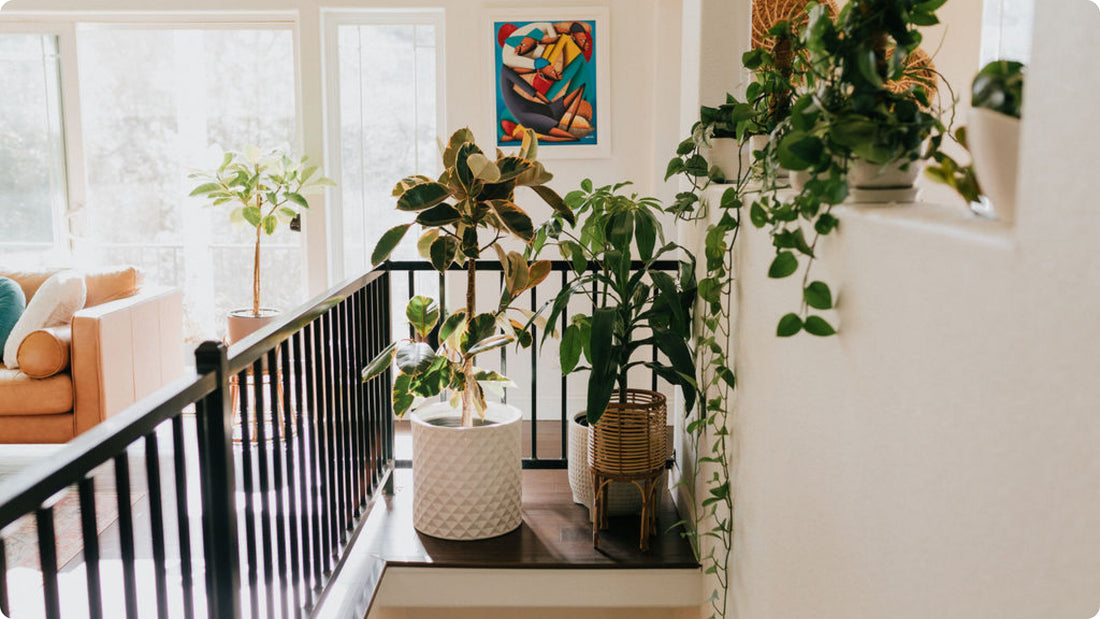
Manjula Pothos, with its heart-shaped leaves and captivating variegation, is a favorite among plant lovers. Its gentle green and creamy white foliage can brighten any corner of your home, but if you're a pet owner, you might be wondering if it's a safe choice for your furry friends.
This article will guide you through everything you need to know about having Manjula Pothos in a pet-friendly home. From understanding potential risks to practical care tips and creative placement ideas, we've got you covered with all the insights to make informed decisions for your plant and pet harmony.
What's the Deal with Manjula Pothos and Pets?
First things first, let’s tackle the big question: are Manjula Pothos plants safe for pets? Unfortunately, the answer is no. Like many plants in the Epipremnum genus, Manjula Pothos contains calcium oxalate crystals. These crystals can irritate the mouth and digestive tract if ingested by pets, leading to symptoms like drooling, vomiting, or difficulty swallowing.
If you suspect your pet has nibbled on a Manjula Pothos leaf, it’s important to consult your veterinarian promptly. While the reactions are typically mild and not life-threatening, it’s always better to err on the side of caution. The good news is there are plenty of ways to keep your plant-loving pets safe while still enjoying the beauty of this plant.
Safe Placement Strategies
Now that we know Manjula Pothos is not pet-friendly, the key is to place it out of reach. This can be a chance to get creative with your interior design while ensuring your pets’ safety.
- High Shelves: Utilize high shelves or bookcases to display your Manjula Pothos. This not only keeps the plant away from curious pets but also adds a lovely touch of greenery to your room's upper perimeters.
- Hanging Planters: If floor space is limited, consider using hanging planters. By suspending your plant from the ceiling, you add a vertical element to your decor while keeping it safe from pets.
- Wall-mounted Planters: These are a fantastic solution for small spaces. Wall-mounted planters can turn a plain wall into a vibrant feature, safely out of paw's reach.
Remember to regularly check the stability of your plant's placement. You don’t want it coming down unexpectedly, especially if a playful pet decides to investigate!
Pet Deterrents: What Works?
Sometimes, despite your best efforts, a determined pet might still find a way to reach your plants. This is where deterrents can come in handy. There are a few tricks you can try to keep your pets from getting too close to your Manjula Pothos.
- Citrus Spray: Many pets dislike the smell of citrus. Spraying a diluted citrus solution around the plant (not on the leaves) can discourage them from venturing too close.
- Pet-safe Barriers: If you have a small plant, consider using a decorative barrier or mini-fence to create a physical obstacle.
- Alternative Plants: Providing safe plants that cats or dogs actually enjoy might distract them from your Pothos. Cat grass or spider plants can be excellent alternatives.
These deterrents are generally safe, but always keep an eye on how your pets react and adjust as necessary.
Caring for Your Manjula Pothos
When it comes to plant care, Manjula Pothos is pretty low-maintenance. However, ensuring its well-being involves a few simple steps that can make a big difference.
- Light: Manjula Pothos thrives in bright, indirect light. Direct sunlight can scorch its leaves, while too little light can cause the vibrant variegation to fade.
- Water: This plant prefers its soil to dry out a bit between waterings. Overwatering can lead to root rot, so it's best to err on the side of underwatering if you're unsure.
- Temperature and Humidity: Keep your Pothos in a warm environment with average humidity levels. It’s quite adaptable but thrives in conditions similar to its tropical origins.
Regularly check your plant for any signs of distress, like yellowing leaves or wilting, and adjust care as needed.
Creating a Pet-Friendly Plant Collection
Just because Manjula Pothos is not pet-friendly doesn’t mean you can’t have a lush collection of houseplants. There are plenty of options that are safe for pets, allowing you to enjoy greenery without worry.
Consider these pet-friendly plants:
- Spider Plant: Known for its air-purifying qualities, the spider plant is non-toxic to pets and easy to care for.
- Bamboo Palm: This plant adds a tropical feel to your home and is safe for pets.
- Boston Fern: Although it requires a bit more humidity, Boston ferns are non-toxic and can be a beautiful addition to your home.
By mixing pet-safe plants with carefully placed Manjula Pothos, you can create a beautiful, green oasis that everyone can enjoy.
How to Recognize and Respond to Pet Plant Munching
Even with precautions, pets might occasionally take a bite out of curiosity. Recognizing the signs of plant ingestion can help you act quickly.
- Watch for Symptoms: Common symptoms include drooling, vomiting, or pawing at the mouth. If you notice any of these, contact your vet.
- Keep Emergency Numbers Handy: Having your vet’s number and a poison control hotline saved on your phone ensures you’re ready if needed.
- Stay Calm: Panicking won’t help. Instead, focus on providing as much information to your vet as possible, such as what part of the plant was ingested and how much.
Quick action can prevent minor incidents from becoming serious, so being prepared is key.
Using Plants to Connect with Nature
Plants can be a wonderful way to connect with nature and bring a sense of calm into your home. While ensuring the safety of your pets is a priority, plants like Manjula Pothos can still play a significant role in your home decor.
You can use plants to create themed spaces, like a tropical corner with various Pothos species, or a relaxation nook with pet-friendly plants. Get creative! Just make sure to keep safety in mind.
By balancing beauty with practicality, you can enjoy a home filled with greenery without compromising on safety.
Balancing Aesthetic with Safety
Finding the balance between having beautiful plants and keeping your pets safe can seem tricky, but it’s definitely achievable. It’s all about planning and a little creativity.
- Research: Always research new plants before bringing them into your home. Knowing what’s safe and what’s not helps you make informed decisions.
- Creative Display: Use plant stands, hangers, and shelves to display your plants in a way that complements your decor and keeps them out of reach.
- Routine Checks: Regularly inspect your plants and their surroundings. Look for signs of pet interference or plant distress.
Ultimately, your home should be a sanctuary for both you and your pets, filled with beauty and life.
Final Thoughts
While Manjula Pothos is not pet-friendly, with careful planning and creativity, you can still enjoy its beauty in your home. By placing plants strategically and using deterrents, you can create a safe and harmonious environment for both your plants and your pets.
At Cafe Planta, we're passionate about helping you create a thriving plant collection. Whether you're looking for pet-friendly plants or unique finds, we're here to assist. Feel free to reach out to us via email or on our Instagram. Let's celebrate the joy of plants together!

















