
Are Monstera Acuminatas Pet Friendly?
Cafe Planta Team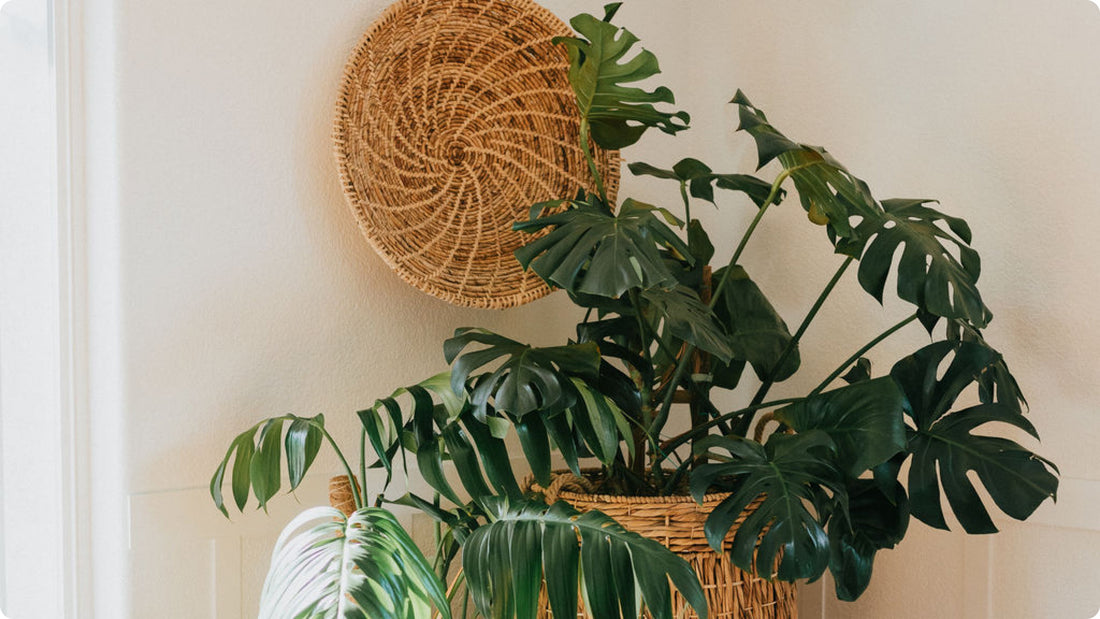
Monstera acuminata, with its eye-catching leaves and easy-going nature, is a popular choice for plant lovers. But if you're a pet parent too, you might be wondering if this beauty is safe for your furry friends. It's a common concern, and rightfully so, as many houseplants can pose risks to cats and dogs.
This article will address the question, "Are Monstera acuminatas pet-friendly?" We'll dive into what makes a plant pet-friendly or not, discuss the specifics of Monstera acuminata in relation to pets, and offer advice on how to keep both your plants and pets happy. We'll also explore alternative plants that are safe for homes with pets, and share tips on creating a harmonious environment where your green and furry family members can co-exist peacefully.
Understanding Pet Safety and Houseplants
Before we get into the specifics of Monstera acuminata, let’s talk about what makes a plant pet-friendly. Not all plants are created equal when it comes to their safety around pets. Some, like the well-loved spider plant, are non-toxic and safe if your pet decides to take a nibble. Others, however, can cause mild to severe reactions.
When considering a plant’s safety, look out for these common symptoms of plant toxicity:
- Vomiting or diarrhea
- Drooling or frothing at the mouth
- Difficulty breathing
- Increased thirst
- Changes in appetite or energy levels
These symptoms can vary based on the plant and the amount ingested. It's always wise to consult your vet if you suspect your pet has ingested a potentially harmful plant. Understanding these signs can help you make informed decisions about which plants to bring into your home.
The Toxicity of Monstera Acuminata
Now, onto the star of the show: Monstera acuminata. Unfortunately, this plant is not considered pet-friendly. Like its cousin, Monstera deliciosa, it contains calcium oxalates. These tiny, needle-like crystals are found in many plants and can cause discomfort if ingested by pets.
When a pet chews on a Monstera acuminata, the calcium oxalate crystals can embed themselves in the soft tissues of the mouth, throat, and stomach. This can lead to:
- Oral irritation
- Excessive drooling
- Pawing at the mouth
- Swelling of the lips and tongue
- Difficulty swallowing
While these symptoms are uncomfortable, they are rarely life-threatening. However, it’s crucial to keep an eye on your pet and contact your vet if you notice any of these signs. Knowing this information, you can decide if you feel comfortable having this plant in a home with pets.
Creating a Pet-Safe Plant Environment
So, if you love Monstera acuminata but also care deeply about your pet’s safety, what can you do? The good news is there are several strategies to keep both your plants and pets happy.
Place Plants Out of Reach
One of the simplest solutions is to place your Monstera acuminata somewhere your pet can’t access. Consider hanging baskets, high shelves, or plant stands. Just ensure the plant still receives adequate light.
Use Pet Deterrents
There are products designed to deter pets from chewing on plants. Bitter sprays can be applied to the leaves to discourage nibbling. Always test these sprays on a small section of the plant first to ensure they don’t damage the leaves.
Provide Alternatives
Sometimes pets chew on plants out of boredom. Make sure your pet has plenty of toys and activities to keep them occupied. Cats, in particular, might enjoy cat grass, which is safe and can satisfy their urge to chew.
Alternatives to Monstera Acuminata
If you’re feeling uneasy about keeping a Monstera acuminata in your pet-friendly home, there are plenty of beautiful alternatives that are non-toxic to pets. Here are a few to consider:
Spider Plant
Spider plants are not only safe for pets but also incredibly easy to care for. Their arching leaves and small, white flowers add a touch of grace to any room. Plus, they’re great for improving air quality.
Bromeliads
These tropical beauties are non-toxic to pets and come in a variety of colors and shapes. Bromeliads are relatively low-maintenance, making them a great choice for busy plant parents.
Boston Fern
Boston ferns are safe for pets and have a classic, elegant look. They thrive in humid environments, so they’re perfect for bathrooms or kitchens with plenty of indirect sunlight.
Balancing Aesthetics and Safety
Creating a beautiful home that’s also safe for your pets doesn't have to be challenging. It’s about finding the right balance between your love for plants and your responsibility as a pet parent. Here are a few tips to help you achieve this:
Mix and Match
Consider mixing toxic and non-toxic plants. Position the safe ones where pets can reach, and keep the toxic ones out of their way. This way, you get the aesthetic diversity without compromising safety.
Design Thoughtfully
Think about the natural pathways your pets use around the house and keep plants clear of these areas. This reduces accidental interactions and keeps both your plants and pets safe.
Stay Informed
Knowledge is power. Stay updated on which plants are toxic and which are safe. Sites like the ASPCA provide comprehensive lists of toxic and non-toxic plants, which can be a handy resource.
Troubleshooting Common Plant and Pet Issues
Despite your best efforts, your pet might still get into your plant collection at some point. Here’s how to handle it:
If Your Pet Eats Your Plant
If your pet nibbles on a Monstera acuminata, observe them closely. Look for symptoms like drooling, vomiting, or signs of discomfort. Contact your vet if symptoms appear, and try to determine how much they ingested.
If Your Plant is Damaged
Pets can sometimes damage plants, whether through chewing or knocking them over. Trim any damaged leaves and ensure the plant is stable. Consider reinforcing plant stands or using heavier pots if your pet has a habit of toppling things over.
If You’re Feeling Overwhelmed
Caring for both plants and pets can feel like a juggling act. Take it one step at a time and remember that it’s okay to make mistakes. Learning from these experiences is part of the process of creating a harmonious home.
The Joy of Coexisting with Plants and Pets
At the end of the day, having plants and pets in your life can bring so much joy. They both add life and energy to your home, each in their unique way. While it may take a little effort to ensure they live harmoniously, it's worth it for the love and happiness they bring.
Embrace the Challenge
Think of the task as a creative challenge. You’re designing a space that suits your lifestyle and provides a safe environment for both your plants and pets.
Share the Love
Involving your pets in your plant care routine can be a fun way to bond. Let them sit with you while you water or prune, and talk to them about what you’re doing. They may not understand, but they’ll enjoy the company!
Celebrate the Small Wins
Every time you notice a new leaf unfurling or catch your pet napping peacefully near your plants, take a moment to appreciate it. These are signs that you’re doing something right!
Final Thoughts
We've explored the relationship between Monstera acuminata and your furry friends, and while it's not the ideal plant for a pet-friendly home, there are ways to manage both your love for plants and your pet's safety. Remember, there are plenty of beautiful, non-toxic alternatives if you'd rather avoid the risk altogether.
At Cafe Planta, we're passionate about helping you create a home that's both beautiful and safe. From houseplants to pet-friendly options, we've got you covered. If you have any questions or need advice, feel free to email us or reach out on Instagram. We're here to share our love for plants and help you cultivate your own green oasis.

















