
Help! How Do I Revive My Dying Monstera Albo Variegata?
Cafe Planta Team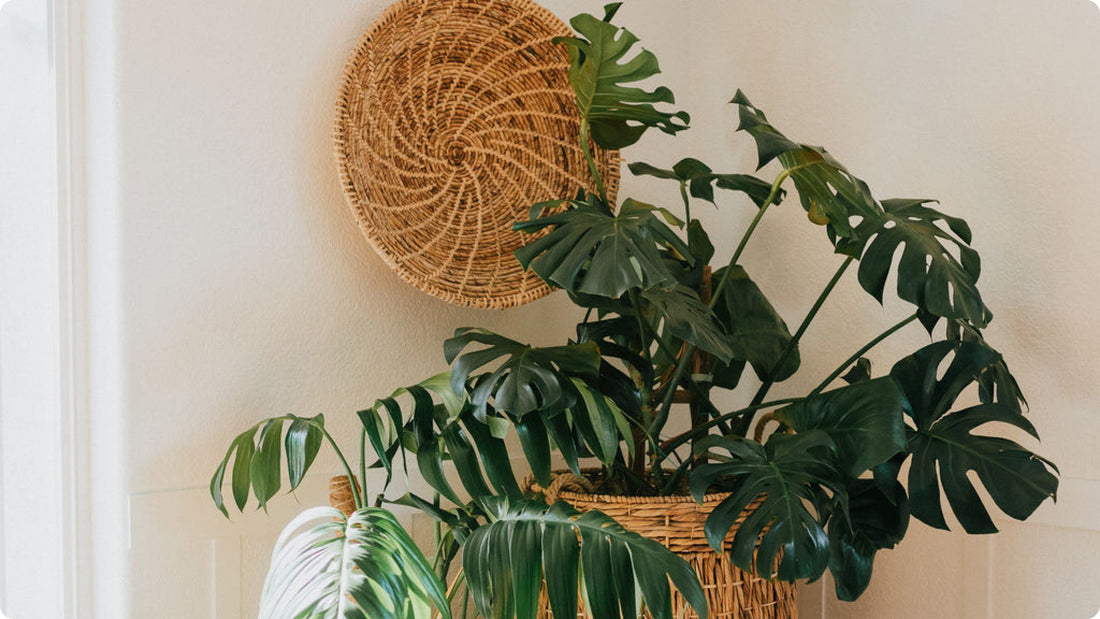
We've all been there—gazing at our once-thriving Monstera Albo Variegata, now looking a little worse for wear. It's alarming to see those beautiful white and green leaves droop or yellow, and it can leave even the most experienced plant parent scratching their head. But don't worry! With a bit of patience and care, you can bring your Monstera back to life.
This article will walk you through understanding what's happening with your plant and how to address various issues like watering mistakes, lighting problems, and pest invasions. We'll also touch on some styling tips to help your Monstera Albo Variegata thrive and look its best. Let's get started on reviving your plant friend!
Understanding Common Problems
First, let's take a closer look at some common issues that might be affecting your Monstera Albo Variegata. These plants, although stunning, are a bit more delicate than their non-variegated cousins due to their lack of chlorophyll in the white parts of the leaves. This makes them more sensitive to environmental changes. Here are a few potential culprits:
- Overwatering: One of the most frequent causes of plant distress. If your Monstera's leaves are yellowing or the soil feels soggy, overwatering could be the issue.
- Underwatering: On the flip side, crispy brown edges on leaves might mean your plant is thirsty.
- Improper Lighting: These plants need bright, indirect light. Too much direct sun can scorch the white parts of the leaves, while too little light can cause the green parts to weaken.
- Pests: Common pests like spider mites or scale can wreak havoc on your plant's health if left unchecked.
- Nutrient Deficiency: A lack of essential nutrients can lead to poor growth and discolored leaves.
Understanding these problems is the first step toward reviving your plant. Once you've identified the issue, it's easier to find a solution.
Watering Wisely
Watering might seem straightforward, but it's a bit of an art when it comes to houseplants. Overwatering and underwatering are both common issues, but they require different approaches to fix. Here's how you can adjust your watering routine to suit your Monstera Albo Variegata's needs.
Check the Soil
Before you water, always check the soil moisture. Stick your finger about an inch into the soil. If it feels dry, it's time to water. If it's still moist, hold off. This simple test can prevent overwatering, which is a common mistake.
Water Thoroughly
When you do water, make sure to do it thoroughly. Water the plant until it drains from the bottom of the pot. This ensures that the roots are getting enough moisture, and it also helps flush out any excess salts from fertilizers.
Adjust for the Seasons
Remember that your plant's watering needs will change with the seasons. During the growing season (spring and summer), your Monstera will likely need more frequent watering. In the dormant season (fall and winter), it will require less.
By paying attention to these details, you can create a watering schedule that's tailored to your plant's needs, which is crucial for its recovery.
The Right Light
Light is another critical factor in your Monstera's health. These plants adore bright, indirect light. However, finding the right spot in your home can sometimes be tricky. Let’s break down how to achieve the perfect lighting conditions.
Bright but Indirect
Place your Monstera near a window where it can receive plenty of light without direct exposure to the sun. A north or east-facing window is often ideal. If your plant is getting too much sun, it might develop brown patches on the variegated parts of the leaves.
Use Sheer Curtains
If you only have south or west-facing windows, consider using sheer curtains to diffuse the light. This helps prevent leaf burn while still providing your plant with the necessary light levels.
Supplemental Lighting
If your home doesn't get enough natural light, don't fret! You can use grow lights to supplement. Aim for full-spectrum lights that mimic natural sunlight. Remember to adjust the distance and duration based on your plant's response.
With the right lighting, your Monstera will have a much better chance of bouncing back to its former glory.
Dealing with Pests
Even the best plant parents encounter pests from time to time. These pesky invaders can sap your Monstera's strength, but with some diligence, you can keep them at bay. Here's how to tackle common pests like spider mites and scale.
Regular Inspections
Make it a habit to inspect your plant regularly. Check the undersides of leaves and along the stems for any signs of pests. Early detection is key to preventing a larger infestation.
Natural Remedies
If you spot pests, try using natural remedies first. Neem oil is a popular choice among plant lovers. Mix it with water and a few drops of dish soap, spray it on the affected areas, and wipe the leaves clean.
Quarantine New Plants
When introducing new plants to your collection, keep them separate for a couple of weeks. This quarantine period helps ensure they’re pest-free before joining your plant family.
By staying vigilant and using these strategies, you can protect your Monstera from unwanted pests.
Feeding Your Monstera
Just like us, plants need a balanced diet to thrive. If your Monstera Albo Variegata isn't looking its best, it might be due to a lack of nutrients. Let's explore how to feed your plant effectively.
Choose the Right Fertilizer
Look for a balanced liquid fertilizer that includes macronutrients like nitrogen, phosphorus, and potassium, as well as micronutrients. During the growing season, fertilize your Monstera every 4-6 weeks.
Avoid Over-Fertilizing
While it's tempting to think more is better, over-fertilizing can damage your plant's roots and cause leaf burn. Always follow the instructions on the fertilizer package and err on the side of caution.
Signs of Nutrient Deficiency
Watch for signs like yellowing leaves or stunted growth, which can indicate a nutrient deficiency. Adjust your feeding schedule if you notice these symptoms, and your Monstera will likely respond positively.
With the right nutrients, your plant will have the energy it needs to recover and thrive.
Repotting for Growth
Sometimes, a Monstera's woes stem from being root-bound. If your plant's roots are peeking out from the bottom of the pot or the soil is drying out too quickly, it might be time to repot.
Choosing the Right Pot
Select a pot that's one size larger than the current one, with good drainage holes. This allows room for growth without overwhelming the roots.
Fresh Soil Mix
Use a well-draining soil mix, ideally one designed for aroids. You can make your own by combining potting soil, perlite, and orchid bark for good aeration and drainage.
Gently Repotting
When repotting, be gentle with the roots. Remove any dead or rotting parts and place your plant in its new pot, filling in with fresh soil. Water it thoroughly and let it settle in its new home.
Repotting can give your Monstera the fresh start it needs to begin growing vigorously again.
Humidity and Temperature
Monstera Albo Variegata, like many tropical plants, thrives in environments with higher humidity and warm temperatures. Understanding and adjusting these conditions can make a significant difference in your plant's recovery.
Boosting Humidity
If your home's air is dry, especially during the winter months, consider increasing humidity around your plant. You could use a humidifier or place a pebble tray with water near the plant.
Ideal Temperature Range
Keep your Monstera in a spot where temperatures range between 65-85°F (18-29°C). Avoid drafty areas or spots with sudden temperature changes, as these can stress the plant.
Grouping Plants
Another way to increase humidity is by grouping your plants together. As they transpire, they'll create a microenvironment with higher humidity levels, benefiting all the plants involved.
By maintaining optimal humidity and temperature, you're setting the stage for your Monstera to regain its health and vibrancy.
Styling Tips for a Happy Monstera
Once you've nursed your Monstera Albo Variegata back to health, you'll want to showcase it in your home. Here are some styling tips to make your plant a focal point in any room.
Choosing the Right Spot
Find a spot where your Monstera can receive enough light and be admired by all. Consider placing it near a window or in a well-lit corner.
Supporting Growth
As your Monstera grows, it might need some support. Use a moss pole or trellis to help it climb and display its leaves beautifully.
Complementary Decor
Pair your Monstera with decorative pots or baskets that complement your interior style. This not only enhances the plant's beauty but also ties your room together.
With these tips, your Monstera will not only be healthy but will also add a splash of elegance to your space.
Final Thoughts
Reviving a Monstera Albo Variegata might seem challenging at first, but with patience and the right care, you can bring it back to life. By understanding its needs for water, light, nutrients, and a pest-free environment, you're well on your way to seeing your plant thrive again.
At Cafe Planta, we believe that everyone can enjoy the beauty of houseplants. Whether you're looking for new plants to add to your collection or need advice on care, we’re here to help. Feel free to email us or reach out via Instagram. Let's grow together!

















