
The Lifespan Of Monstera Borsigianas: How Long Do They Live?
Cafe Planta Team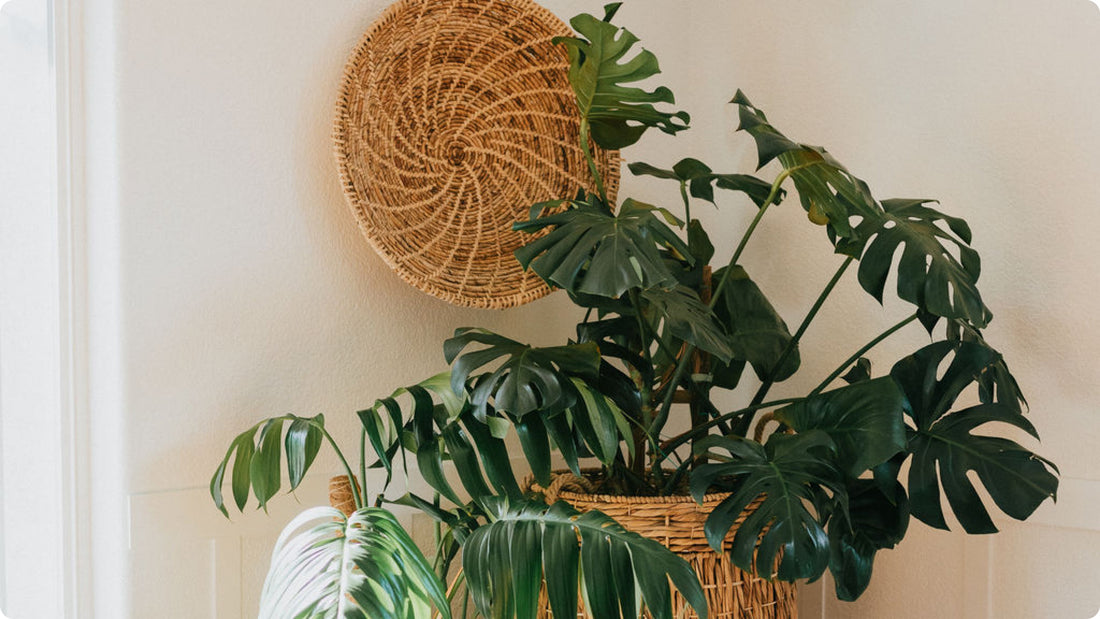
Monstera Borsigiana might sound like a fancy name, but if you've ever admired the lush, holey leaves of a popular houseplant, you've likely encountered it. These tropical beauties, with their striking foliage and impressive growth, are taking over homes and Instagram feeds. But how long can you expect your Monstera Borsigiana to stick around?
In this article, we'll explore the lifespan of Monstera Borsigianas, along with practical tips on caring for them to ensure they thrive for years. We’ll cover everything from ideal growing conditions to common issues and how to handle them. So, let’s get ready to dive deep into the world of this fascinating houseplant.
Understanding Monstera Borsigiana
Before we jump into the specifics of their lifespan, it’s essential to know what makes Monstera Borsigiana special. Often confused with its cousin, Monstera Deliciosa, this plant is a smaller, more manageable version that fits perfectly in any indoor setting. It’s known for its rapid growth and distinctive, perforated leaves that add a touch of the tropics to any space.
Monstera Borsigiana is a type of climbing plant native to the tropical forests of Central America. They are epiphytes, which means they often grow on other plants, using them as support while reaching for sunlight. In their natural habitat, these plants can grow quite large, but indoors, they tend to be more contained.
One of the great things about Monstera Borsigiana is that it’s relatively easy to care for, making it a favorite among plant lovers. It’s forgiving if you miss a watering or two and can adapt to various light conditions, though it prefers bright, indirect light. Understanding these basics sets the stage for ensuring your plant lives a long, healthy life.
The Average Lifespan of a Monstera Borsigiana
So, how long does a Monstera Borsigiana really live? Well, like many things in life, it depends. Under ideal conditions, these plants can thrive for decades. Yes, you heard that right—decades! With proper care, your Monstera can be a long-term companion.
The key to a long life for your Monstera Borsigiana lies in its care. Providing the right amount of light, water, and nutrients can significantly extend its lifespan. It’s not uncommon for well-cared-for plants to live 40 years or more, continuously producing new leaves and even flowers in some cases.
However, it's important to remember that environmental factors, pests, and neglect can shorten a plant's life. Regular maintenance and attention to your Monstera's needs will help ensure it stays healthy and vibrant for as long as possible.
Optimal Growing Conditions
Creating the perfect environment for your Monstera Borsigiana is crucial for its longevity. These plants thrive in conditions that mimic their natural habitat as closely as possible. Here’s what you need to know:
- Light: Monstera Borsigiana loves bright, indirect light. Direct sunlight can scorch its leaves, while too little light will slow its growth. A spot near a window with filtered light is ideal.
- Water: These plants prefer their soil to be consistently moist but not soggy. Water when the top inch of soil feels dry, and make sure your pot has proper drainage to prevent root rot.
- Humidity: Being tropical plants, Monstera Borsigiana enjoys higher humidity levels. If your home is dry, consider using a humidifier or placing your plant on a pebble tray with water.
- Temperature: Keep your Monstera in a warm environment, ideally between 65°F and 85°F. Avoid placing it near drafts or cold windows.
By keeping these factors in balance, you’ll create an environment where your Monstera Borsigiana can flourish, leading to a longer, healthier life.
Common Pests and Diseases
No plant is invincible, and Monstera Borsigiana is no exception. While generally hardy, it can fall victim to pests and diseases if not properly cared for.
Common Pests: Look out for spider mites, mealybugs, and scale insects. These pests can damage your plant by feeding on its sap, leading to discolored leaves and stunted growth. Regularly inspect your plant and use insecticidal soap or neem oil to treat infestations.
Common Diseases: Root rot and leaf spot are the most common diseases affecting Monstera Borsigiana. Root rot occurs when the plant is overwatered, causing the roots to decay. To prevent it, ensure proper drainage and avoid waterlogging the soil. Leaf spot, characterized by brown or yellow spots on the leaves, can be treated by removing affected leaves and improving air circulation around the plant.
By staying vigilant and addressing issues as they arise, you can prevent minor problems from shortening your Monstera’s lifespan.
Propagating Monstera Borsigiana
One of the exciting aspects of caring for Monstera Borsigiana is the ability to propagate them. Not only does this allow you to expand your plant collection, but it also ensures the longevity of your Monstera family.
Propagation is relatively straightforward and can be done through stem cuttings. Here’s a step-by-step guide:
- Select a Healthy Stem: Choose a stem with at least one node (a small, brown bump where leaves and roots grow) and a leaf.
- Cut the Stem: Using clean, sharp scissors or pruning shears, cut the stem just below the node.
- Prepare for Rooting: Place the cutting in a jar of water, ensuring the node is submerged. Change the water every few days to keep it fresh.
- Root Development: After a few weeks, roots should begin to form. Once they’re a few inches long, you can transfer the cutting to soil.
Propagation not only helps in maintaining the lineage of your plant but also serves as a backup in case the mother plant faces issues. Plus, who doesn’t love having more Monstera in their home?
Repotting and Soil Care
As your Monstera Borsigiana grows, it will eventually outgrow its pot. Repotting is essential to provide space for its roots and to refresh the soil, which helps in extending the plant’s lifespan.
Here’s how you can repot your Monstera:
- Choose the Right Time: Spring or early summer is the best time to repot, as your plant is in its active growth phase.
- Select a New Pot: Choose a pot that is 1-2 inches larger in diameter than the current one. Make sure it has drainage holes.
- Prepare the Soil: Use a well-draining potting mix. A mix of peat, perlite, and pine bark works well for Monstera Borsigiana.
- Remove the Plant: Gently take your Monstera out of its current pot. If the roots are tangled, carefully loosen them.
- Repot: Place the plant in the new pot and fill it with soil, ensuring the root ball is covered. Water thoroughly after repotting.
Repotting not only supports healthy growth but also gives you an opportunity to inspect the roots for any signs of disease or pests.
Fertilizing Your Monstera Borsigiana
While Monstera Borsigiana is not a heavy feeder, providing the right nutrients can promote lush growth and longevity. Here’s what you need to know about fertilizing:
Type of Fertilizer: Use a balanced, water-soluble fertilizer. A ratio like 20-20-20 is generally suitable for Monstera Borsigiana.
Frequency: During the growing season (spring and summer), fertilize your plant every 4-6 weeks. Reduce the frequency in fall and winter when the plant’s growth slows down.
Application: Dilute the fertilizer to half strength to avoid over-fertilization, which can damage the roots. Always water your plant before applying fertilizer to prevent root burn.
Proper fertilization ensures that your Monstera gets the nutrients it needs to grow strong and healthy, contributing to a long and vibrant life.
Creating a Beautiful Space with Monstera Borsigiana
Beyond its lifespan, part of the joy of having a Monstera Borsigiana is incorporating it into your home’s decor. These plants are not just nature’s air purifiers but also stunning focal points that can elevate any room.
Here are some ways to style your Monstera:
- Statement Piece: Place your Monstera in a stylish pot in your living room or entryway to create a welcoming atmosphere.
- Jungle Vibe: Pair with other tropical plants like palms and ferns to create a lush, green corner that feels like a mini jungle.
- Hanging Vines: Train your Monstera to climb a moss pole or trellis, allowing its vines to cascade for a dramatic effect.
- Container Gardening: Grow your Monstera in a large container on a balcony or patio, bringing a touch of the tropics outdoors.
By thoughtfully incorporating your Monstera into your home, you not only enhance its visual appeal but also create a space that feels alive and vibrant.
Final Thoughts
Monstera Borsigiana is a remarkable plant that, with the right care, can be a long-lasting addition to your home. From understanding its needs to tackling common challenges, you're now equipped to help your Monstera thrive.
At Cafe Planta, we’re passionate about helping you care for your houseplants. Whether you're searching for a new plant companion or need advice on plant care, we're here to help. Feel free to email us or reach out on Instagram. Let's grow together and cultivate beautiful, thriving plant collections in our homes.

















