
How To Grow Monstera Plants With Hydroponics
Cafe Planta Team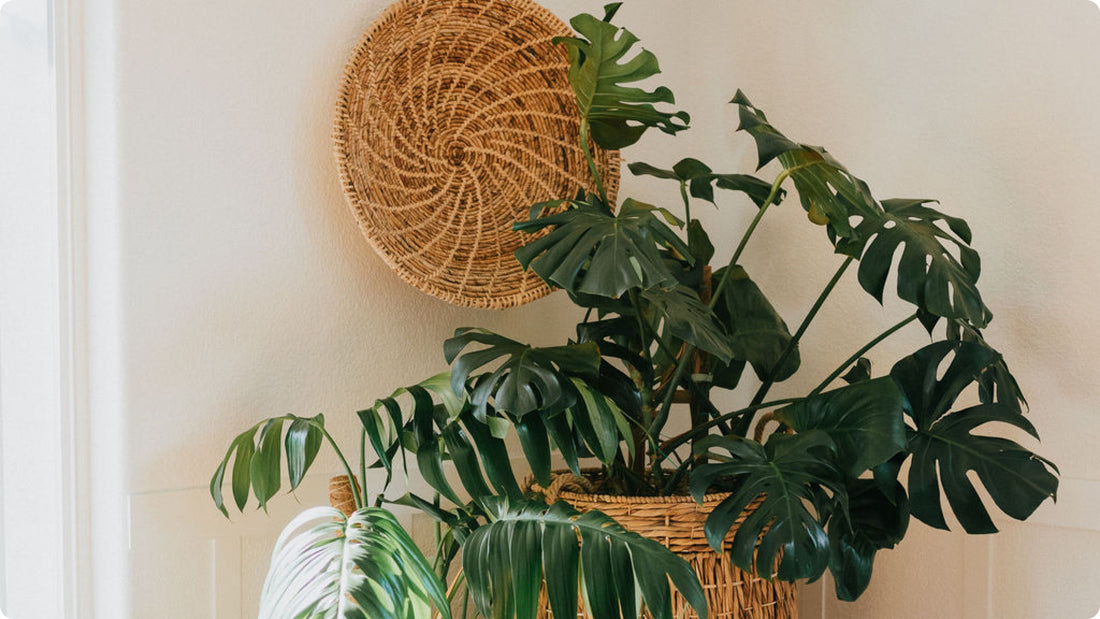
Monstera plants have captured the hearts of plant lovers everywhere with their iconic split leaves and easy-going personality. But have you ever thought about growing these beauties using hydroponics? It's a fascinating way to cultivate plants without soil, and it can be an exciting project for any plant parent willing to try something new.
In this article, we'll explore the ins and outs of growing Monstera plants through hydroponics. We'll cover everything from setting up your hydroponic system to maintaining it, ensuring your plant gets the nutrients it needs, and even some tips on interior design with hydroponic plants. Whether you're a hydroponics newbie or a seasoned pro, there's something here for you.
Why Choose Hydroponics for Your Monstera?
Before we dive into the how-to, let's talk about the "why" of hydroponics. Hydroponics offers several advantages over traditional soil gardening. For starters, it's incredibly clean. No soil means no mess, which is perfect if you're living in an apartment or simply want to keep things tidy.
Moreover, hydroponics allows for more precise control over nutrients. In soil, it's sometimes hard to know exactly what your plant is getting. With hydroponics, you can tailor the nutrient solution to suit your Monstera's needs perfectly. This often leads to faster growth and healthier plants.
Finally, hydroponics can be a real space-saver. Many systems are compact and can fit into small spaces, making it possible to grow Monstera in places where traditional pots wouldn't fit. If you're low on floor space but have room on a shelf or countertop, hydroponics might be the perfect solution.
Setting Up Your Hydroponic System
Getting started with hydroponics might seem daunting, but once you break it down, it's quite manageable. First, you'll need to choose the right system. There are several types to consider:
- Nutrient Film Technique (NFT): This system uses a shallow stream of nutrient solution that flows over the roots, providing them with constant access to oxygen and nutrients.
- Deep Water Culture (DWC): Here, plant roots are submerged in a nutrient-rich solution, with an air pump providing oxygen.
- Drip System: This method involves dripping nutrient solution directly onto the roots at regular intervals.
For Monstera, a DWC or NFT system might be most suitable. They both offer good support and nutrient access for larger plants. Once you've chosen your system, gather the necessary materials: a container or reservoir, air pump (for DWC), net pots, grow medium (like clay pebbles), and nutrient solution.
Set up your hydroponic system according to the instructions specific to your chosen type. Make sure your system is stable and well-lit, as Monstera loves bright, indirect light. If natural light is limited, consider using a grow light to supplement.
Selecting the Right Nutrient Solution
Your Monstera can't thrive without the right nutrients, and in hydroponics, this means using a nutrient solution. These solutions are available pre-mixed or in concentrate form, and they contain all the essential nutrients your plant needs.
When selecting a nutrient solution, look for one specifically designed for leafy plants. Monstera requires a balance of nitrogen, phosphorus, and potassium, along with micronutrients like calcium and magnesium. Many brands offer hydroponic solutions tailored for different plant types, so be sure to read the labels.
Once you have your nutrient solution, mix it according to the instructions provided. It's usually a simple process of adding water to the concentrate. Be sure to measure carefully to avoid over-fertilizing, which can harm your plant.
Maintaining Water and Nutrient Levels
With your hydroponic system up and running, maintaining it becomes crucial. Water and nutrient levels need to be checked regularly to ensure your Monstera is getting what it needs. Start by checking the water level in your reservoir. It should cover the roots but not submerge the entire plant.
Next, monitor the nutrient concentration using a TDS (total dissolved solids) meter, which measures the nutrient levels in your solution. Aim for a moderate reading that aligns with the needs of a leafy plant like Monstera. Adjust your solution by adding more water or nutrients as needed.
Don't forget about pH levels! Monstera prefers a slightly acidic environment with a pH around 5.5 to 6.5. Use a pH meter or test strips to keep track of this and adjust with pH up or down solutions if necessary.
Ensuring Proper Lighting Conditions
Lighting can make or break your hydroponic setup. Monstera thrives in bright, indirect light. In a home setting, this usually means placing your plant near a north or east-facing window. If natural light is sparse, investing in a quality grow light can be beneficial.
Grow lights come in various types, including LED, fluorescent, and HID. LED lights are generally the most energy-efficient and emit less heat, making them a popular choice for indoor gardening. Position the grow light about 12-18 inches above the plant, and keep it on for 12-16 hours a day to mimic natural light cycles.
Remember, too much direct light can scorch your Monstera, while too little can stunt its growth. Adjust the distance and duration of light exposure based on how your plant responds, and you'll soon find the sweet spot that keeps your Monstera happy.
Pruning and Propagating Your Hydroponic Monstera
Pruning is an essential part of keeping your Monstera healthy and encouraging new growth. When your plant starts to look a bit wild, grab a clean pair of scissors and trim back any dead or damaged leaves. You can also prune for shape, cutting just above a leaf node to promote bushier growth.
Interestingly enough, hydroponics makes propagation a breeze. When pruning, save some healthy cuttings and place them in water or directly into a hydroponic system with a rooting hormone. Over time, you'll notice roots developing, and soon enough, you'll have a new baby Monstera ready to grow on its own.
Propagation not only gives you more plants to enjoy but also helps you experiment with different hydroponic setups and placements in your home. You might find it's a fun way to share the love of Monstera with friends and family, too!
Dealing with Common Issues
Even in hydroponics, problems can arise. One common issue is root rot, which can occur if the roots become waterlogged or deprived of oxygen. To prevent this, ensure your system has adequate airflow, and the water level isn't too high.
Pests like spider mites or aphids can occasionally find their way to your Monstera. While less common in hydroponics, they're not impossible to encounter. A gentle spray of neem oil or a diluted soap solution can help keep these critters at bay.
Nutrient deficiencies might show up as yellowing leaves or stunted growth. If you notice these signs, check your nutrient solution's concentration and adjust as necessary. Remember, changes in your plant's environment can affect its nutrient needs, so keep an eye out and be ready to tweak your solution.
Incorporating Hydroponic Monstera into Home Decor
Monstera plants are not only functional but can be a stylish addition to your home decor. Their large, glossy leaves make a statement, and with hydroponics, you can get creative with your displays. Consider using clear glass containers for your system to showcase the intricate root structures, adding an artistic touch.
Place your hydroponic Monstera on a coffee table, bookshelf, or kitchen counter to bring a pop of green into your space. You can even create a living wall by mounting several hydroponic setups vertically for a stunning visual effect.
The versatility of hydroponic Monstera allows you to experiment with different arrangements and styles, making it a delightful addition to any room. Whether your style is modern, bohemian, or traditional, these plants can complement your decor beautifully.
Monitoring Growth and Adjusting Care
One of the joys of growing Monstera in hydroponics is observing its growth over time. Regularly check your plant for signs of new leaves and roots, as these are indicators of health and happiness. If your Monstera seems to be thriving, keep up with your current routine.
However, if growth stalls or the plant looks unhappy, don't be afraid to make adjustments. This could mean altering your nutrient solution, changing the light setup, or even trying a different hydroponic system. Plants are living organisms, and sometimes they need a little trial and error to find what works best.
Keep a journal or take photos to track your Monstera's progress. This can help you identify patterns, successes, and areas for improvement, making your hydroponic journey both rewarding and educational.
Final Thoughts
Growing Monstera plants with hydroponics can be a fun and rewarding experience, offering benefits like cleaner gardening, precise nutrient control, and space-saving solutions. By understanding the setup and maintenance involved, you can enjoy a thriving Monstera in your home.
At Cafe Planta, we're passionate about helping you care for your plants. If you have any questions about Monstera or any other plant, feel free to email us, or reach out on Instagram. We believe in the power of plants to connect and inspire us all, and we're here to support you on your plant journey.

















