
The Lifespan Of Monstera Pinnatipartitas: How Long Do They Live?
Cafe Planta Team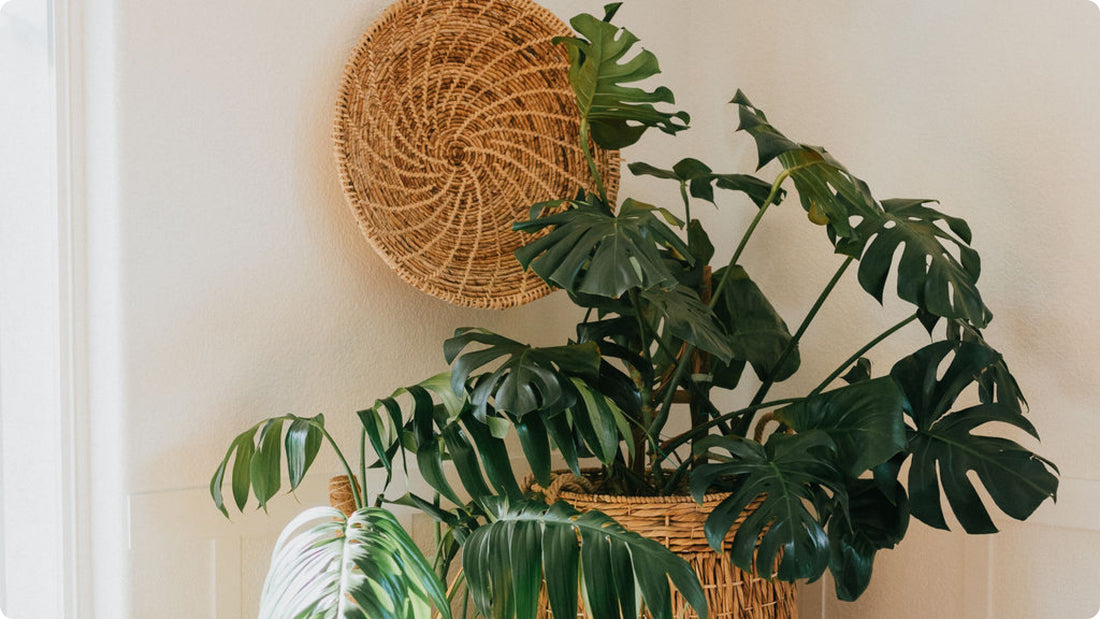
Monstera pinnatipartita, with its strikingly split leaves, is a favorite among plant lovers. While its unique beauty grabs attention, many wonder just how long this plant can thrive. Understanding the lifespan of a Monstera pinnatipartita involves looking at its natural growth patterns, care requirements, and how it responds to its environment.
This article will guide you through various aspects of Monstera pinnatipartita's life journey. From its growth cycle to the factors that influence its longevity, we'll cover everything you need to know. Whether you're a seasoned plant parent or just starting your green collection, this piece will offer insights to nurture your Monstera for years to come.
The Natural Lifespan of Monstera Pinnatipartita
Monstera pinnatipartita, like many houseplants, doesn't come with a definitive expiration date. In their natural habitat, these plants can live for decades, thriving as they climb trees in tropical rainforests. When cared for properly indoors, a Monstera pinnatipartita can easily become a long-term companion, potentially living for 40 years or more.
However, a plant's lifespan isn't just about the number of years it can live. It's also about the quality of those years. A healthy Monstera pinnatipartita should consistently produce new leaves, showing signs of growth and vitality. If you notice a slowdown in growth or other issues, it might be time to reassess its care routine.
While it's hard to predict exactly how long your Monstera will live, providing the right conditions can significantly extend its life. By understanding its needs and creating a suitable environment, you'll help it flourish. So, what are these conditions? Let's break them down.
Light Requirements for Longevity
Light is a vital component in the life of any plant, and Monstera pinnatipartita is no exception. Originating from the dim understories of rainforests, this plant prefers bright, indirect light. Direct sunlight can scorch its leaves, while too little light can stunt its growth and lead to poor health.
To find the sweet spot, place your Monstera near a window with filtered light. If natural light is scarce, especially during winter months, consider using grow lights. These can mimic the sun's rays and help keep your plant happy and growing.
- North or east-facing windows: These spots typically offer gentle morning light, perfect for Monstera pinnatipartita.
- Sheer curtains: If your only option is a south-facing window, use sheer curtains to diffuse the light.
- Rotate the plant: Turn your plant occasionally to ensure all sides receive equal light exposure.
Paying attention to your plant's light conditions can make all the difference in its lifespan. Remember, light is food for plants, so keeping this balance right is crucial.
Watering: A Balancing Act
Getting the watering schedule right for your Monstera pinnatipartita is another important aspect of its care. This plant doesn't love soggy roots, but it also won't thrive if left parched. The key is to find a balance that keeps the soil moist but not waterlogged.
A good rule of thumb is to water your Monstera when the top inch of soil feels dry to the touch. Overwatering can lead to root rot, a common issue that can drastically reduce the plant's lifespan.
- Check the soil moisture: Use your finger or a moisture meter to gauge when it's time to water.
- Ensure proper drainage: Make sure your pot has drainage holes to prevent water from sitting at the bottom.
- Adjust with the seasons: During winter, your Monstera may require less water as it goes dormant.
Being mindful of your watering routine helps your Monstera thrive, contributing to a longer, healthier life.
Soil and Nutrient Needs
The right soil and nutrients are just as crucial as light and water. Monstera pinnatipartita thrives in a well-draining potting mix that retains some moisture while allowing excess water to escape. A mix of peat, perlite, and pine bark is often recommended.
In addition to good soil, nutrition plays a big role in plant health. Regular feeding with a balanced fertilizer can provide your Monstera with the nutrients it needs to grow and produce new leaves. Fertilize during the growing season (spring and summer) for the best results.
- Choose a balanced fertilizer: Look for one with equal parts nitrogen, phosphorus, and potassium.
- Follow the instructions: More isn't always better. Over-fertilizing can harm your plant.
- Repot every few years: Refreshing the soil gives your Monstera a new lease on life with fresh nutrients.
Getting the soil and feeding routine right is essential for your Monstera's longevity. These elements work together to support its growth and resilience.
Temperature and Humidity Preferences
Monstera pinnatipartita hails from tropical regions, so it naturally prefers warm temperatures and high humidity. Mimicking these conditions as closely as possible in your home will support its health and longevity.
Keep your plant in a warm room, ideally between 65°F and 80°F. Avoid cold drafts or sudden temperature changes, which can cause stress. Similarly, maintaining high humidity levels will help your Monstera thrive.
- Use a humidifier: This is a great tool for increasing humidity, especially in dry climates or during winter.
- Mist the leaves: Lightly misting the leaves can provide a humidity boost.
- Group plants together: Plants naturally release moisture into the air, so grouping them can create a more humid microclimate.
By keeping temperature and humidity in check, you're creating an environment where your Monstera can flourish.
Pruning and Maintenance
Pruning is an important part of Monstera care that not only keeps your plant looking its best but also promotes healthy growth. Regularly removing dead or damaged leaves allows the plant to redirect energy to new growth, enhancing its overall vitality.
Pruning isn't just about aesthetics; it's also about plant health. A well-pruned Monstera will have better airflow around its leaves, reducing the risk of fungal infections.
- Use sharp, clean scissors: This prevents damage and the spread of disease.
- Prune during active growth: The best time to prune is during the growing season when the plant can recover quickly.
- Remove yellow or brown leaves: These are often signs of stress or damage.
Regular maintenance keeps your Monstera healthy, contributing to a longer lifespan.
Dealing with Pests and Diseases
Like all plants, Monstera pinnatipartita can occasionally fall victim to pests and diseases. Common culprits include spider mites, aphids, and scale insects. These pests can sap your plant's energy, affecting its growth and overall health.
Detecting and dealing with these issues early is crucial. Regularly inspect your plant for signs of trouble, such as discolored leaves or a sticky residue.
- Wash leaves: A gentle wash with soapy water can remove many pests.
- Use neem oil: This natural pesticide can deter and eliminate many insects.
- Isolate affected plants: Separating a sick plant can prevent pests from spreading to others.
By staying vigilant and addressing problems quickly, you'll help ensure your Monstera's health and longevity.
Propagating Your Monstera Pinnatipartita
Propagation is a rewarding aspect of plant care that allows you to expand your collection or share plants with friends. Monstera pinnatipartita is relatively easy to propagate through stem cuttings.
Not only is propagation a fun project, but it also serves as a backup plan. If anything were to happen to your main plant, having a propagated backup can be a lifesaver.
- Choose a healthy stem: Look for a stem with a few leaves and a node.
- Cut below a node: Make a clean cut just below a node where roots will develop.
- Place in water or soil: You can root your cutting in water or directly in soil, depending on your preference.
Propagation can contribute to the longevity of your Monstera by creating new plants that carry on its legacy.
Creating a Plant-Friendly Space
Part of what makes plant care so enjoyable is creating a space where both you and your plants can thrive. Designing a plant-friendly area in your home can enhance your Monstera's life while also enriching your living environment.
Consider the aesthetics of your space and how your Monstera fits into it. Think about light sources, humidity levels, and temperature, as well as how your plant complements your decor.
- Choose the right pot: A pot that suits your style and provides adequate drainage is essential.
- Incorporate plant stands: Elevating your plants can help them get better light and create visual interest.
- Mix textures and heights: Combine different plants with varying leaf shapes and sizes for a dynamic look.
By thoughtfully arranging your space, you create an environment where your Monstera pinnatipartita can live its best life.
Final Thoughts
Monstera pinnatipartita is more than just a plant; it's a living piece of art that, with the right care, can grace your home for many years. From understanding its natural lifespan to ensuring it has the right light, water, and nutrients, each step you take contributes to its longevity.
At Cafe Planta, we're passionate about helping you care for your plants. Whether you're looking for advice on plant care or want to explore our collection of unique houseplants, we're here for you. Feel free to email us or send us a DM on Instagram. Let's grow together and create beautiful green spaces in our homes!

















