
The Lifespan Of Monstera Tenuis: How Long Do They Live?
Cafe Planta Team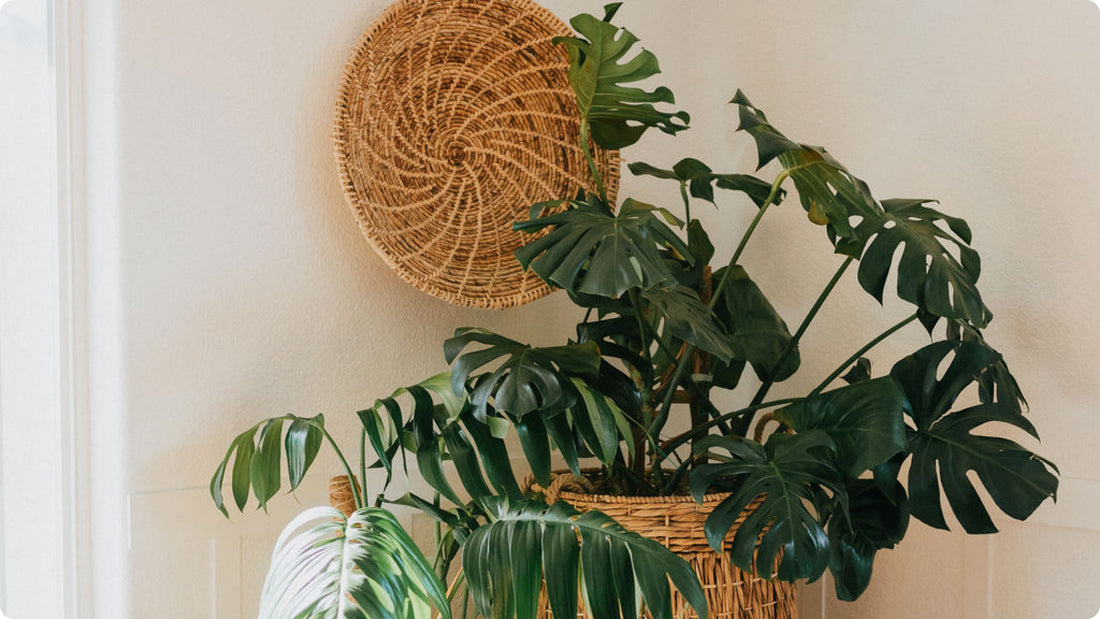
Monstera Tenuis, with its captivating foliage and intriguing growth patterns, is a delightful addition to any plant lover’s collection. But as with any living thing, you might wonder: how long can you expect your Monstera Tenuis to stick around? If you’re curious about the lifespan of this charming plant, you're in the right place.
In this article, we'll take a friendly stroll through the life of Monstera Tenuis, from its growth habits to the factors that influence its longevity. We’ll cover everything from ideal conditions to common challenges, and even sprinkle in some design tips to showcase your Monstera in the best light. So, grab a cup of tea, settle in, and let's chat about keeping your Monstera Tenuis thriving for years to come.
Understanding Monstera Tenuis: A Brief Overview
Monstera Tenuis might not be as famous as its cousin, the Monstera Deliciosa, but it certainly has its own charm. This plant is native to the tropical rainforests of Central and South America. Its natural environment gives us a clue about what it loves: warmth, humidity, and a bit of dappled sunlight. Let's break that down a bit.
The Monstera Tenuis is a climbing plant that uses aerial roots to attach itself to trees in its native habitat. This growth pattern means it appreciates a little support, like a moss pole or trellis, to mimic its natural climbing conditions. Its leaves start off small and develop splits and holes as they mature, a process called fenestration. This not only adds to its appeal but also helps with light penetration in dense forests.
Understanding its background helps us recreate the right conditions at home. Think of it like this: you wouldn’t wear a winter coat on a sunny beach day, right? Similarly, providing the right environment for your Monstera Tenuis is crucial for its longevity.
Optimal Conditions for Longevity
So, how do we keep our Monstera Tenuis happy and healthy for the long haul? It all starts with giving it a home that feels just right.
Light: Monstera Tenuis thrives in bright, indirect light. Direct sunlight can scorch its leaves, while too little light may slow its growth. A spot near an east or north-facing window is usually ideal.
Temperature and Humidity: This plant enjoys temperatures between 65°F and 85°F (18°C to 29°C) and high humidity levels. If your home is on the drier side, consider using a humidifier or a pebble tray to boost moisture in the air.
Watering: Like many tropical plants, Monstera Tenuis doesn't like to sit in water. Water it thoroughly, then allow the soil to dry out slightly before watering again. A good rule of thumb is to check the top inch of soil—if it’s dry, it’s time to water.
By setting up these conditions, you’ll create an environment where your Monstera Tenuis can live its best life. Remember, consistency is key! Plants, much like people, thrive on routine.
The Role of Soil and Potting
Choosing the right soil and pot for your Monstera Tenuis can make a significant difference in its lifespan. This plant prefers well-draining soil to prevent root rot, a common issue with overwatering.
A mix that includes peat, perlite, and orchid bark can provide the drainage and aeration it needs. If you’re using a pre-packaged potting mix, look for one labeled for aroids or tropical plants, which usually offer the right balance.
As for pots, ensure they have drainage holes. A decorative pot without holes might look pretty, but it could lead to soggy roots and an unhappy plant. If you have your heart set on a particular pot, consider using it as a cover pot and placing your Monstera in a plastic nursery pot inside.
Repotting is another factor to consider. As your Monstera grows, it will eventually outgrow its pot. Aim to repot every 1-2 years, or when you notice the roots circling the bottom of the pot. This gives the roots more room to grow and keeps the plant healthy.
Feeding Your Monstera Tenuis
Feeding your Monstera Tenuis is like giving it a little extra boost to keep it thriving. While it doesn’t require a lot of fuss, a bit of fertilizer can go a long way.
During the growing season (spring and summer), feed your Monstera every 4-6 weeks with a balanced liquid fertilizer diluted to half strength. This helps support new growth and keeps the leaves lush and vibrant. When fall and winter roll around, you can ease up on the feeding since the plant's growth slows down.
Over-fertilizing can be just as harmful as under-fertilizing, so moderation is crucial. If you notice yellowing leaves or burned leaf tips, it might be a sign of too much fertilizer. When in doubt, less is more.
Common Pests and Problems
No plant is entirely free from potential pest issues, and Monstera Tenuis is no exception. However, a little vigilance and quick action can keep things under control.
Common Pests: The usual suspects include spider mites, mealybugs, and aphids. Luckily, they’re easy to manage with regular inspections and treatments. A gentle spray of water can dislodge pests, and insecticidal soap or neem oil can help with persistent issues.
Fungal Issues: High humidity can sometimes lead to fungal problems like root rot or leaf spot. Ensuring good air circulation and avoiding waterlogged soil are effective preventive measures.
Regularly checking your plant and catching problems early can prevent them from becoming significant issues. It’s similar to catching a cold early—you can often nip it in the bud with the right care.
Pruning and Propagation
Pruning isn’t just about aesthetics. It can also improve the health and longevity of your Monstera Tenuis. Removing dead or damaged leaves allows the plant to focus its energy on new growth.
When pruning, use clean, sharp scissors or pruning shears to make clean cuts. Remove any yellowing leaves or stems that look unhealthy. You can also trim back overgrown sections to maintain the plant's shape.
Propagation is another exciting aspect of Monstera care. If you want to share your plant with friends or expand your collection, you can easily propagate it through cuttings. Look for a healthy stem with a node (a small bump where leaves and roots grow from) and a few leaves. Cut below the node, place the cutting in water or soil, and wait for new roots to develop. It’s a rewarding process and a fun way to multiply your Monstera family.
Designing with Monstera Tenuis
Monstera Tenuis doesn’t just have to sit in a corner—it can be a stunning feature in your home. Its unique leaf pattern and climbing nature make it a versatile design element.
Consider placing it in a well-lit corner where it can climb up a moss pole or trellis. You can also let it trail from a hanging basket for a dramatic effect. Pair it with complementary plants like ferns or philodendrons to create a lush, tropical vibe.
Incorporating Monstera Tenuis into your decor doesn’t just beautify your space. It also adds a touch of nature that can improve your mood and air quality. Plus, it’s a great conversation starter when guests visit!
Monitoring Growth and Health
Keeping an eye on your Monstera Tenuis’s growth and health is a bit like being a plant detective. Regular observation helps you catch any potential issues early and ensures your plant is growing well.
Look for signs of new growth, like emerging leaves or longer stems. This indicates your plant is happy and thriving. If growth seems slow, consider adjusting the light or feeding schedule.
Pay attention to the leaves, as they can tell you a lot about your plant's health. Yellowing leaves might suggest overwatering, while brown edges could indicate low humidity or too much direct sunlight. Responding to these signals keeps your Monstera in top shape.
Creating a Routine for Success
The secret to a long-lasting Monstera Tenuis is a consistent care routine. Just like you might have a morning routine to start your day, your plant benefits from regular attention.
Set reminders for watering and feeding, and schedule time each week to inspect your plant for any changes or issues. Routine care helps prevent problems and keeps your Monstera looking its best.
Remember, patience is a virtue. Plants grow at their own pace, and while you might not see dramatic changes overnight, consistent care will yield a healthy, long-lived plant.
Final Thoughts
Monstera Tenuis, with the right care and conditions, can be a long-lasting and delightful part of your indoor garden. By providing optimal light, temperature, and humidity, along with regular feeding and monitoring, you can enjoy this plant for many years.
At Cafe Planta, we believe that plants have the power to bring people together and inspire us to connect with nature. Whether you're just starting your plant journey or you're a seasoned plant parent, we’re here to help you create a thriving plant collection. Feel free to email us or DM us on Instagram if you have any questions. We're excited to share our love of plants with you!

















