
How To Grow Nerve Plants With Hydroponics
Cafe Planta Team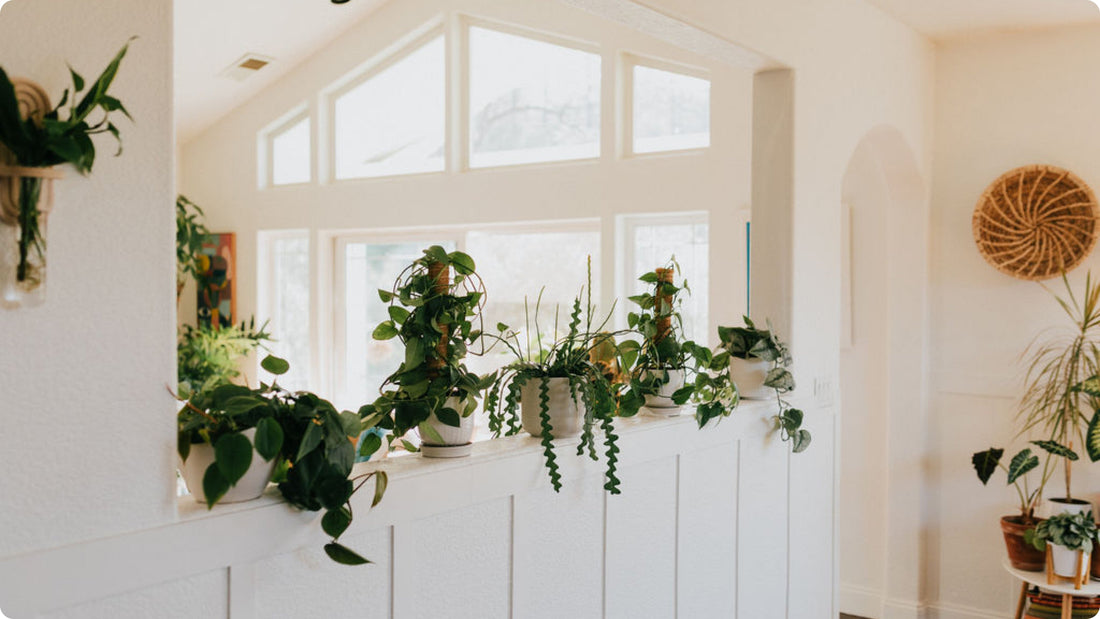
Have you ever been captivated by the striking colors of a nerve plant? These beauties, with their vibrant veined leaves, can add a pop of color and charm to any indoor space. But what if I told you there's a way to grow them without soil? Welcome to the world of hydroponics—an innovative technique that allows you to grow plants in water, providing them with all the nutrients they need without the mess of traditional potting soil.
This article will guide you through the ins and outs of growing nerve plants hydroponically. We'll cover everything from setting up your hydroponic system to troubleshooting common issues. Whether you're a seasoned plant parent or just starting your indoor garden, you'll find tips and tricks that will help you succeed in growing these stunning plants in water.
Why Choose Hydroponics for Nerve Plants?
Hydroponics is an increasingly popular method for growing a wide variety of plants indoors. But why should you consider it for nerve plants specifically? There are a few compelling reasons that make hydroponics an excellent choice.
First off, hydroponics allows for precise control over the nutrients your plants receive. This means you can tailor the nutrient solution to meet the specific needs of your nerve plants, encouraging healthier growth and more vibrant colors. Who wouldn't want their nerve plants to be the talk of the town?
Additionally, hydroponic systems can be more space-efficient than traditional soil-based setups. If you're working with limited space, a compact hydroponic system can fit neatly into your home without sacrificing the health of your plants. Finally, hydroponics often results in quicker growth rates. With the right conditions, you might notice your nerve plants growing faster than you'd expect.
Setting Up Your Hydroponic System
Getting started with hydroponics might seem daunting at first, but it's easier than it looks. Let's break down the essential components you'll need to set up a successful hydroponic system for your nerve plants.
- Container: You'll need a reservoir to hold the nutrient solution. This can be anything from a simple plastic tub to a specially designed hydroponic container.
- Growing Medium: While you're not using soil, you'll still need a medium to support the plant's roots. Options include clay pellets, perlite, or rock wool.
- Net Pots: These hold the growing medium and the plant within the container. They should allow the roots to dangle into the nutrient solution.
- Nutrient Solution: A mix of water and plant nutrients tailored to the needs of nerve plants. You can purchase pre-mixed solutions or create your own blend.
- Air Pump and Air Stone: These keep the water oxygenated, which is crucial for healthy root development.
Once you have your materials, assemble your system by placing the growing medium and plant into the net pot, which then sits in the container filled with the nutrient solution. The air pump ensures that the roots get enough oxygen, preventing root rot and promoting healthy growth.
Choosing the Right Nerve Plant Variety
Nerve plants, or Fittonia, come in a variety of colors and patterns. The choice of variety can affect not just the aesthetics of your indoor garden but also how you manage your hydroponic system.
Some of the most popular varieties include:
- Fittonia albivenis 'Red': Known for its striking red veins, this variety can add a bold touch to your collection.
- Fittonia albivenis 'White': With its crisp white veins, this variety offers a more subdued, elegant look.
- Fittonia albivenis 'Pink': This one's a favorite for its soft pink veins, providing a gentle splash of color.
When choosing a variety, consider your existing décor and the lighting conditions of your space. While all nerve plants thrive in indirect light, some variations may show more vibrant colors when exposed to slightly different light conditions.
Nutrient Solutions: The Lifeblood of Hydroponic Gardening
Nutrient solutions play a crucial role in hydroponic gardening. They provide your nerve plants with all the essential nutrients they would normally obtain from soil. Understanding how to mix and maintain this solution is key to thriving plants.
Here's a basic guide to creating a nutrient solution for your nerve plants:
- Base Nutrients: These include nitrogen, phosphorus, and potassium, which are vital for plant growth.
- Micronutrients: These are equally important and include iron, magnesium, and calcium.
- pH Level: Aim for a pH level between 5.5 and 6.5. This range ensures that your plants can absorb the nutrients effectively.
You can purchase pre-made nutrient solutions designed for hydroponic systems, or you can create your own. If you're new to hydroponics, starting with a pre-mixed solution can save you some trial and error. Remember to regularly check and adjust the pH level of your solution to keep your nerve plants happy and healthy.
Lighting and Temperature Considerations
Proper lighting and temperature are vital for the success of your hydroponic nerve plants. These factors influence growth rates, leaf color, and overall plant health.
Lighting: Nerve plants thrive in bright, indirect light. Direct sunlight can scorch their delicate leaves, while too little light can lead to leggy growth. If natural light is scarce, consider using grow lights to provide the necessary illumination. LED grow lights are a great option as they are energy-efficient and customizable to your plant's needs.
Temperature: Nerve plants prefer a warm environment, ideally between 65°F and 80°F. They can be sensitive to temperature fluctuations, so keep them away from drafts, heaters, or air conditioning vents. Consistency in temperature will help your plants thrive.
Interestingly enough, the right combination of light and temperature can enhance the vividness of your nerve plant's foliage. So, take a moment to observe your plant's response and adjust these factors as needed.
Maintaining Your Hydroponic System
Maintaining your hydroponic system is crucial to ensure the health and vitality of your nerve plants. Regular checks and adjustments can prevent potential issues from arising.
Water and Nutrient Solution: Regularly check the water level in your reservoir. Top it up when necessary and change the nutrient solution every two weeks to prevent nutrient imbalances.
pH Levels: As mentioned earlier, maintaining a pH between 5.5 and 6.5 is essential. You can use a pH meter or test strips to monitor and adjust the pH as needed.
Cleanliness: Keep your system clean to prevent algae growth and other potential problems. Clean the reservoir and other components every few weeks with mild soap and water, rinsing thoroughly before reassembling the system.
By staying on top of these maintenance tasks, you'll create a thriving environment for your nerve plants, allowing them to flourish in your hydroponic setup.
Troubleshooting Common Problems
Even with the best setup, issues can occasionally arise. However, understanding common problems and their solutions can help you keep your nerve plants healthy.
Yellowing Leaves: This can indicate nutrient deficiencies or imbalanced pH levels. Check your nutrient solution and pH, adjusting as needed.
Root Rot: Often caused by over-saturation or poor aeration. Ensure your air pump is working correctly and that the roots have access to oxygen.
Algae Growth: If you notice algae in your system, it might be due to too much light exposure. Consider using opaque containers or covering them to limit light penetration.
Remember, it's normal to face some challenges when growing plants hydroponically. Patience and observation are your best friends. With time, you'll develop an intuitive sense of what your plants need and how to address issues as they arise.
Integrating Nerve Plants into Your Home Décor
Nerve plants aren't just a treat for plant lovers—they also make a beautiful addition to any home décor. Their vibrant foliage can complement a variety of interior styles, from minimalistic to bohemian.
Consider displaying your hydroponic nerve plants in clear glass containers. This not only highlights the colorful leaves but also offers a unique view of their root structure. It's a conversation starter and a piece of living art!
Another idea is to group them with other plants with different textures and colors. This creates a visually appealing contrast and a dynamic display in your living space. Whether on a windowsill, a shelf, or a coffee table, nerve plants can elevate the ambiance of your home.
By experimenting with different placements and combinations, you can create a personalized plant haven that reflects your style and personality.
Final Thoughts
Growing nerve plants hydroponically can be a rewarding experience that adds a splash of color and life to your home. By following the steps outlined in this article, you're well on your way to mastering the art of hydroponics and enjoying the beauty of these vibrant plants.
At Cafe Planta, we're passionate about helping you care for your plants. Whether you're looking for new additions to your plant family or need advice on plant care, we're here to help. Don't hesitate to email us or DM us on Instagram. We believe in the power of plants to bring people together and inspire a connection with nature.

















