
Are Painter's Palettes Pet Friendly?
Cafe Planta Team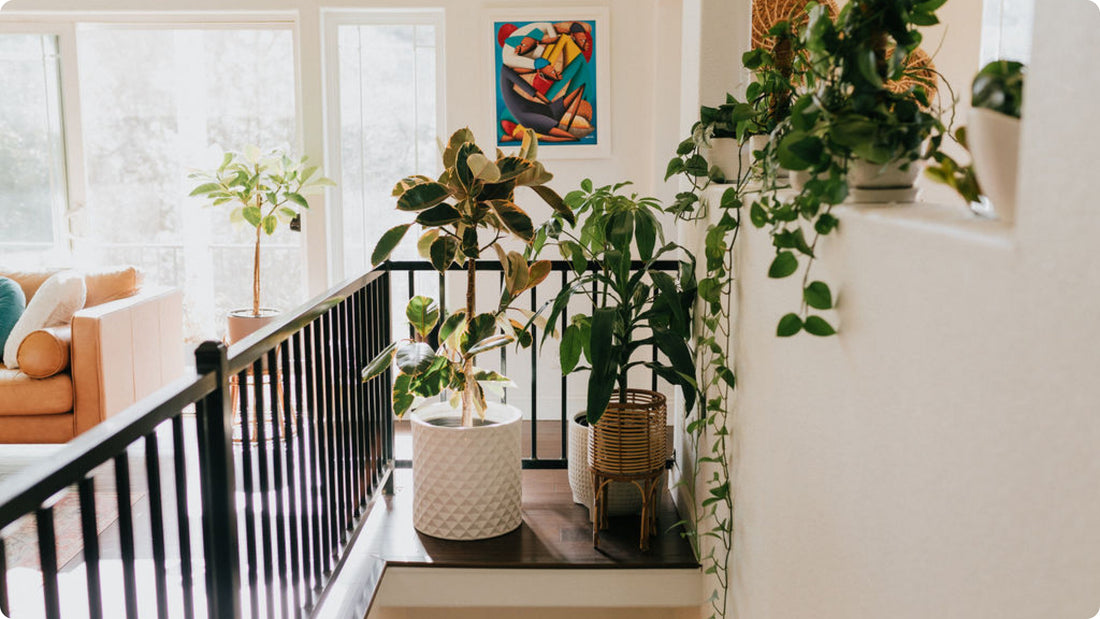
When it comes to adding a splash of green to your home, few plants are as striking as the Painter's Palette. But if you're a pet owner, there's an important question to consider: are these plants safe for your furry friends?
In this article, we'll explore the ins and outs of the Painter's Palette, looking into its pet-friendliness, care requirements, and how you can safely incorporate it into a pet-friendly home. We'll also share some tips on creating a harmonious environment for both your plants and pets.
What is a Painter's Palette?
Before we get into the nitty-gritty of pet safety, let's take a moment to understand what a Painter's Palette actually is. Also known as Anthurium, this plant is famous for its vibrant, waxy-looking leaves and brightly colored spathes, which are often mistaken for flowers. These spathes can come in shades of red, pink, white, and even green, making them a popular choice for those looking to add a pop of color to their indoor spaces.
Native to the tropical regions of Central and South America, the Painter's Palette thrives in warm, humid conditions. They can be a bit finicky, preferring indirect light and consistent moisture levels. This makes them a bit of a challenge for beginners, but with the right care, they can be a stunning addition to any plant collection.
Now, while the Painter's Palette is undeniably beautiful, it does come with a few caveats, especially for pet owners. Let's dive into the specifics of its pet-friendliness.
Are Painter's Palettes Toxic to Pets?
Here's the million-dollar question for pet owners: are Painter's Palettes toxic to pets? Unfortunately, the answer is yes. Like many other houseplants, the Anthurium contains calcium oxalate crystals, which can be harmful if ingested by pets.
These crystals can cause irritation to the mouth and gastrointestinal tract in cats and dogs. Symptoms of ingestion might include drooling, vomiting, difficulty swallowing, and decreased appetite. While it's generally not life-threatening, it can make your pet very uncomfortable, and in some cases, a trip to the vet may be necessary.
So, if you have pets that like to nibble on greenery, you might want to think twice before placing a Painter's Palette within their reach. That said, there are ways to enjoy these beautiful plants while keeping your pets safe.
Creating a Pet-Friendly Space with Painter's Palettes
Just because the Painter's Palette is toxic doesn't mean you have to give up on having one in your home. With a little creativity, you can keep both your plants and pets happy. Here are some strategies to consider:
- Place plants out of reach: Consider hanging your plant in a basket or placing it on a high shelf where curious pets can't reach.
- Create a plant corner: Dedicate an area of your home to plants, and use barriers or furniture to keep pets out of this space.
- Use deterrents: There are sprays available that can deter pets from chewing on plants. These are usually made from bitter-tasting, non-toxic substances.
By implementing one or more of these strategies, you can create a safe environment for your pets while still enjoying the beauty of your Painter's Palette.
Proper Care for Your Painter's Palette
Now that we've covered pet safety, let's talk about caring for your Painter's Palette. Proper care is essential for keeping this plant vibrant and healthy.
Light: Painter's Palettes prefer bright, indirect light. Direct sunlight can scorch the leaves, so it's best to place them near a window with filtered light.
Water: These plants like their soil to be consistently moist but not waterlogged. A good rule of thumb is to water when the top inch of soil feels dry.
Humidity: Coming from tropical regions, Painter's Palettes thrive in high humidity. If your home is dry, consider using a humidifier or placing your plant on a tray filled with pebbles and water.
Soil: A well-draining potting mix is ideal. You can use a regular potting mix with added perlite or orchid bark to improve drainage.
By following these care tips, you can ensure that your Painter's Palette thrives and remains a stunning centerpiece in your home.
Alternatives to Painter's Palettes for Pet Owners
If you're worried about the toxicity of Painter's Palettes but still want a colorful plant, there are pet-friendly alternatives to consider. Here are a few options:
- Spider Plant: Known for its easy care and air-purifying qualities, the spider plant is safe for pets and can add a touch of green to your home.
- Boston Fern: This lush plant is non-toxic to pets and thrives in humid environments, making it perfect for bathrooms or kitchens.
- Areca Palm: With its feathery fronds, the Areca Palm is a pet-safe choice that can give your space a tropical feel.
These alternatives offer the beauty of greenery without the worry of pet toxicity.
Incorporating Plants into Your Home's Design
Plants are more than just pretty decor; they can transform the feel of a room. When incorporating plants like the Painter's Palette into your home, consider the overall design and how they fit into the space.
Think about the color scheme of your room. The Painter's Palette's vibrant colors can complement or contrast with your existing decor. Try pairing them with neutral tones for a pop of color, or match them with similar hues for a cohesive look.
Additionally, consider the size and shape of your plants. A tall, striking plant can serve as a focal point, while smaller plants can be grouped together for an eye-catching display. Don't be afraid to experiment with plant stands, shelves, and hanging baskets to create layers and depth in your space.
By thoughtfully incorporating plants into your home's design, you can create a space that feels both inviting and alive.
Common Pests and Issues with Painter's Palettes
Like any plant, the Painter's Palette can encounter a few issues along the way. Here are some common pests and problems to watch out for:
- Spider mites: These tiny pests thrive in dry conditions. Increase humidity and regularly mist your plant to prevent infestations.
- Root rot: Overwatering can lead to root rot. Ensure your pot has drainage holes and avoid letting the plant sit in water.
- Yellowing leaves: If your plant's leaves are turning yellow, it could be a sign of underwatering, overwatering, or lack of nutrients. Adjust your care routine accordingly.
By keeping an eye out for these issues and addressing them promptly, you can keep your Painter's Palette healthy and thriving.
Creating Harmony Between Pets and Plants
Balancing a love for pets and houseplants can sometimes feel like a juggling act, but it's definitely doable. Here are some tips for creating harmony between your furry friends and your green companions:
- Educate yourself: Understanding which plants are toxic can help you make informed decisions about what to bring into your home.
- Train your pets: Teaching your pets to respect plants can go a long way. Use positive reinforcement when they leave plants alone.
- Supervise introductions: When bringing a new plant into your home, watch how your pets interact with it and adjust its placement if needed.
With a little patience and planning, you can cultivate a home that both your plants and pets love.
Final Thoughts
Painter's Palettes are undeniably beautiful, but they do pose a risk to pets due to their toxicity. By being mindful about placement and care, you can still enjoy their beauty while keeping your furry friends safe. Remember, there are plenty of pet-friendly plant options if you're looking for alternatives.
At Cafe Planta, we're here to help you with all your plant needs, whether you're seeking advice on plant care or looking for the perfect addition to your home. Feel free to reach out to us via email or send us a message on Instagram. We'd love to help you grow a beautiful, thriving plant collection that fits seamlessly into your home and lifestyle.

















