
How To Grow Parlor Palms With Hydroponics
Cafe Planta Team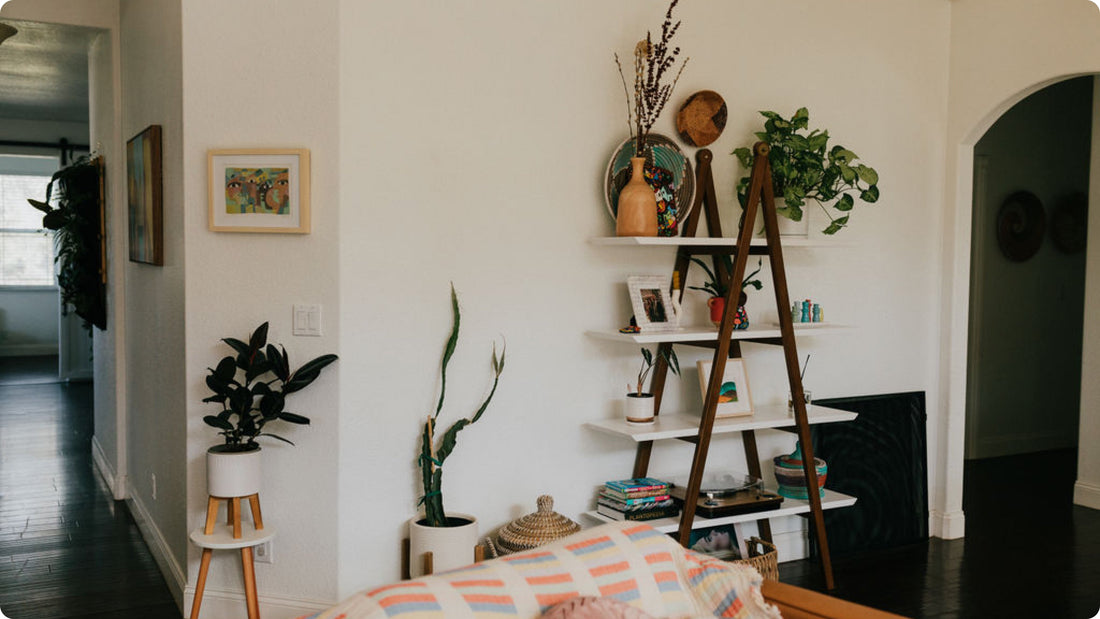
Parlor palms have a way of adding that perfect touch of green to any space, and growing them hydroponically can be a fun twist on traditional plant care. Whether you're a seasoned plant parent or just getting started, this method might be just the change your indoor garden needs.
In this article, we'll unravel the process of growing parlor palms using hydroponics. From selecting the right setup to understanding what these palms need to thrive, we'll cover everything you need to know. By the end, you'll be ready to nurture your parlor palms in a whole new way.
Understanding Hydroponics for Parlor Palms
Hydroponics might sound like something out of a science fiction novel, but it's actually a straightforward process. At its core, hydroponics is the art of growing plants without soil, using nutrient-rich water instead. This method can be particularly beneficial for parlor palms, as it allows for precise control over nutrients and water intake.
Parlor palms, known for their elegant and lush appearance, are naturally suited for indoor environments. They're not too fussy about light and can thrive in moderate conditions, making them ideal candidates for hydroponic setups. With hydroponics, you can provide them with consistent nutrients, ensuring they grow healthy and vibrant.
The benefits of hydroponics are numerous. For one, it can lead to faster growth and healthier plants since they receive the exact nutrients they need. Plus, it reduces the risk of soil-borne diseases and pests, which can be a common issue in traditional soil planting. That said, it might take some getting used to if you're new to this method, but don't worry—once you get the hang of it, you'll see why it's such a popular choice among plant lovers.
Choosing the Right Hydroponic System
The first step in starting your hydroponic journey with parlor palms is selecting the right system. There are several types to choose from, each with its own set of advantages. Here are a few options:
- Deep Water Culture (DWC): This system keeps plant roots submerged in nutrient-rich water. It's straightforward and ideal for beginners.
- Nutrient Film Technique (NFT): In this setup, a thin film of nutrient solution flows over the roots. It's efficient but requires a bit more monitoring.
- Wick System: This passive system uses a wick to draw nutrients to the plant roots. It's simple and low-maintenance, perfect if you're just starting.
For parlor palms, a Deep Water Culture system might be the easiest to manage. It provides consistent access to water and nutrients, which these plants will appreciate. However, if you're up for a little challenge, trying an NFT system can also be rewarding, as it encourages strong root development.
When choosing your system, consider the space you have available and how much time you can dedicate to maintenance. Some systems require more frequent monitoring and adjustments, while others are more forgiving. It's all about finding what works best for your lifestyle and your plants.
Nutrient Solutions: What Parlor Palms Need
Just like humans need a balanced diet, parlor palms require a mix of nutrients to thrive. In hydroponics, this comes in the form of a nutrient solution. You'll want to look for one that's specifically formulated for leafy greens and foliage plants, as these will have the right balance of nitrogen, phosphorus, and potassium.
When preparing your nutrient solution, follow the instructions on the package carefully. Over-fertilizing can be just as harmful as under-fertilizing, so it's important to get the balance right. Regularly check the pH levels of your solution as well, aiming for a range between 5.5 and 6.5, which is optimal for parlor palms.
Interestingly enough, parlor palms can be a bit sensitive to certain minerals, like fluoride. If you notice browning tips on the leaves, it might be a sign that there's too much fluoride in the water. In such cases, using distilled or rainwater for your nutrient solution can help mitigate the issue.
Remember, consistency is key. Regularly check your plants for signs of nutrient deficiencies or excesses, such as discoloration or stunted growth, and adjust your solution accordingly. With a bit of attention and care, your parlor palms will flourish in their hydroponic habitat.
Setting Up Your Hydroponic System
Once you've chosen your hydroponic system and prepared your nutrient solution, it's time to set everything up. This step involves a bit of assembly and patience, but it's also where the magic happens.
Step-by-Step Setup:
- Assemble the System: Follow the manufacturer's instructions to put your system together. Ensure all parts are securely connected, and the system is stable.
- Fill with Water: Add water to the reservoir, then mix in your nutrient solution according to the package instructions.
- Check the pH Levels: Use a pH meter to ensure the solution is within the 5.5-6.5 range. Adjust as necessary.
- Place Your Parlor Palm: Gently remove your parlor palm from its pot, carefully washing off any soil from the roots. Place it in the hydroponic system, ensuring the roots are well-positioned to absorb nutrients.
- Monitor and Adjust: Once everything is set up, turn on the system and let it run. Keep an eye on your plant and the system, making adjustments as needed.
Setting up takes time, but once you're done, you'll have a self-sustaining system that's both efficient and fascinating to watch. Plus, seeing your parlor palms thrive in a hydroponic environment is incredibly satisfying. Just make sure your system is in a location with appropriate light levels, as parlor palms prefer indirect sunlight.
Light and Temperature Considerations
Parlor palms are known for their adaptability to indoor conditions, but that doesn't mean they don't have preferences. Light and temperature play significant roles in their growth, especially in a hydroponic setup.
While parlor palms can tolerate low light, they thrive best in bright, indirect sunlight. Placing your hydroponic system near a window with filtered light is ideal. If natural light is limited, consider using grow lights to provide the necessary illumination. Aim for about 8-10 hours of light per day to keep your palms happy.
As for temperature, parlor palms prefer a range between 65°F and 80°F (18°C to 27°C). They don't fare well in cold drafts or sudden temperature changes, so try to maintain a consistent environment. If you notice your palm's leaves turning yellow or brown, it might be reacting to temperature stress.
On the other hand, too much direct sunlight can cause leaf burn, so it's all about finding that sweet spot. Keep an eye on your plant's leaves for any signs of distress and adjust its location or lighting as needed. Creating a stable environment will help your parlor palms flourish in their new hydroponic home.
Maintaining Your Hydroponic System
One of the great things about hydroponics is that once your system is up and running, maintenance is relatively straightforward. However, consistency is crucial to ensure your parlor palms stay healthy.
Here are some tips for maintaining your hydroponic system:
- Regularly Check Nutrient Levels: Every two weeks, drain the old nutrient solution and replace it with a fresh batch. This prevents mineral build-up and ensures your plants get the nutrients they need.
- Monitor pH Levels: Keep a close eye on the pH of your nutrient solution. Parlor palms prefer a slightly acidic environment, so adjust the pH if it drifts out of the 5.5-6.5 range.
- Inspect for Pests and Diseases: Although hydroponics reduces the risk of soil-borne issues, pests can still find their way in. Regularly check your plants for any signs of infestation or disease, and take action promptly if needed.
- Keep the System Clean: Periodically clean your hydroponic system to prevent algae growth and blockages. A clean system is less likely to harbor problems and will keep your plants thriving.
By staying on top of these tasks, you'll ensure your parlor palms remain vibrant and healthy in their hydroponic setup. It's also a great opportunity to observe your plants closely and learn more about their needs and behaviors.
Dealing with Common Issues
Even with the best care, sometimes things don't go as planned. Yellowing leaves, slow growth, or root problems can occur, but don't worry—these issues are usually fixable with a bit of troubleshooting.
If you notice yellowing leaves, it could be due to nutrient imbalances, poor lighting, or temperature stress. Check your nutrient solution and pH levels first, as these are common culprits. Ensure your plant is receiving enough, but not too much, light, and that the temperature is within the preferred range.
Root rot can also be a problem if the roots are constantly submerged in water. Ensure your system is providing adequate aeration, and consider using a root treatment product to promote healthy root growth.
On the other hand, if your parlor palm seems to be growing slowly, it might be time to refresh your nutrient solution or adjust your lighting setup. Sometimes, a bit of experimentation is needed to find the right balance.
Remember, every plant is unique, and what works for one might not work for another. Pay attention to your parlor palm's specific needs and be willing to make adjustments as necessary. With patience and care, you'll be able to resolve most issues and enjoy a thriving plant.
Integrating Parlor Palms into Your Interior Design
Once your parlor palms are thriving in their hydroponic setup, it's time to think about how they can enhance your interior design. These elegant plants can bring a touch of nature into your home, adding both beauty and a sense of tranquility.
Consider the following ideas when incorporating parlor palms into your decor:
- Create a Green Corner: Set up a dedicated plant nook in your living room or office. Arrange your parlor palm alongside other indoor plants to create a lush, natural vibe.
- Use Stylish Containers: Choose decorative pots or containers that complement your interior style. Even though your plant is in a hydroponic system, decorative outer pots can add an extra layer of design flair.
- Play with Heights: Use plant stands or hang your parlor palm at different levels to add visual interest. Varying the height of your plants can create a dynamic and engaging display.
Think of your parlor palm as a living piece of art. Its graceful fronds and rich green color can soften the lines of modern furniture or add a natural touch to a more traditional space. No matter how you style it, a parlor palm is sure to bring joy and life to any room.
Final Thoughts
Growing parlor palms with hydroponics can be an exciting and rewarding endeavor. By choosing the right system, maintaining proper nutrient levels, and integrating these beautiful plants into your home, you can create a thriving indoor garden that brings joy and tranquility to your space.
At Cafe Planta, we're passionate about helping you care for your plants. Whether you're looking for new houseplants or need advice on plant care, we're here to support you. Feel free to reach out to us via email or connect with us on Instagram. Let's grow together and create beautiful, thriving plant collections in our homes.

















