
How To Grow Peperomias With Hydroponics
Cafe Planta Team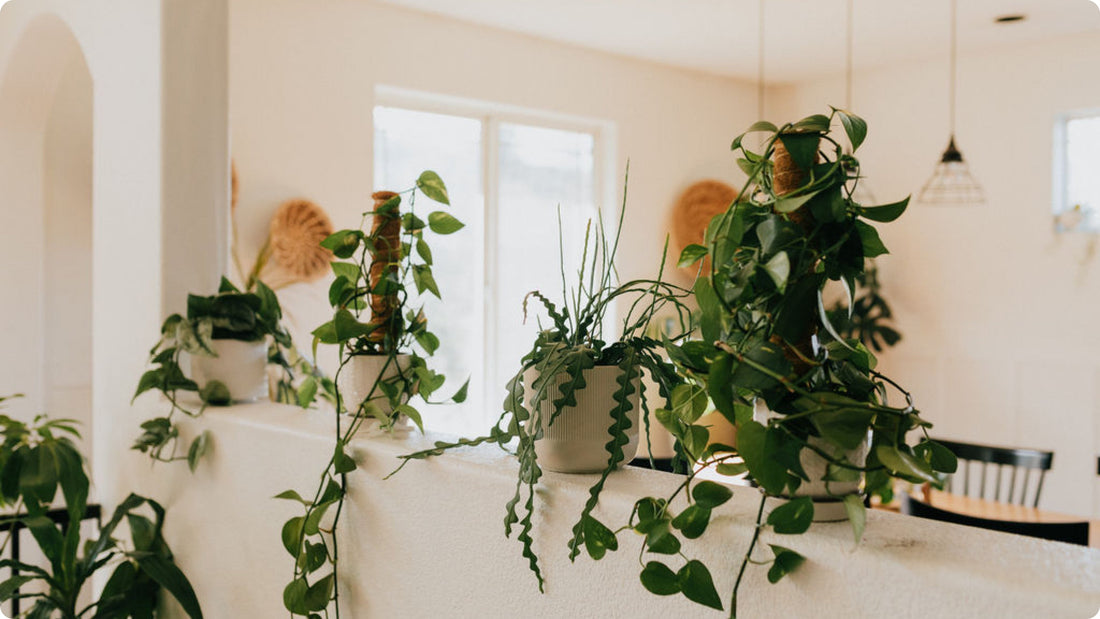
Have you ever thought about growing Peperomias using hydroponics? This method is a fun and innovative way to cultivate these charming plants, offering benefits like faster growth and fewer soil-related pests. Plus, it's a fantastic conversation starter for when you have guests over!
In this post, we'll walk you through everything you need to know about growing Peperomias hydroponically. From setting up your system to maintaining healthy plants, we'll cover the essential steps and tips to help you succeed. Whether you're new to hydroponics or a seasoned pro, you'll find helpful insights to make your Peperomia thrive.
Getting to Know Peperomias
Peperomias are a diverse group of small houseplants loved for their unique foliage and easy care requirements. With over 1,000 species, these beauties come in various shapes and colors, making them perfect for almost any space. Common varieties include the Radiator Plant, Watermelon Peperomia, and Peperomia obtusifolia.
What makes Peperomias ideal candidates for hydroponics is their adaptability. They don't require a lot of space and can thrive in different environments. Plus, they're generally low maintenance, which means less fuss for you. Imagine having a mini-jungle of Peperomias without the mess of soil!
Before we dig into the how-tos, let's briefly touch on why you'd want to grow these plants hydroponically. Hydroponics allows you to control nutrients and water precisely, providing optimal conditions for growth. It also reduces the risk of soil-borne diseases and pests, which is a huge plus!
Choosing the Right Hydroponic System
So, you're ready to start your hydroponic journey with Peperomias. But where do you begin? First, you'll need to choose the right hydroponic system. There are several types available, but not all are suitable for Peperomias. Let's explore a few options:
- Kratky Method: This is a simple, passive system perfect for beginners. It involves a container filled with nutrient solution and a net pot to hold the plant. As the plant grows, it absorbs the nutrients and water, creating an air gap for oxygen exchange.
- Deep Water Culture (DWC): In this system, plants are suspended in a nutrient-rich solution with their roots submerged. An air pump provides oxygen, promoting healthy root growth.
- Nutrient Film Technique (NFT): This method involves a thin film of nutrient solution flowing over the roots. It's more advanced and requires careful monitoring but can work well for Peperomias.
For most plant lovers, the Kratky Method or DWC are great choices for Peperomias. They are straightforward to set up and maintain, making them ideal for those just getting started with hydroponics.
Setting Up Your Hydroponic System
Now that you've chosen your system, it's time to set it up. Don't worry—it's simpler than it sounds. Here's a step-by-step guide to get you started:
1. Gather Your Supplies
You'll need a few basic items:
- A container or reservoir for the nutrient solution
- Net pots to hold the plants
- Hydroponic growing medium, like clay pebbles or rock wool
- An air pump (for DWC systems)
- Hydroponic nutrients tailored for leafy greens
- A pH meter and pH adjusters
2. Prepare the Reservoir
Fill your container with water and add the hydroponic nutrients according to the package instructions. It's important to get the nutrient concentration right, as Peperomias are sensitive to over-fertilization.
3. Check the pH
Peperomias prefer a slightly acidic environment, with a pH around 5.5 to 6.5. Use a pH meter to test the solution and adjust it if necessary using pH up or down solutions.
4. Set Up the Plants
Place your Peperomia cuttings or young plants in the net pots filled with your chosen growing medium. Ensure the bottom of the pots is in contact with the nutrient solution, allowing the roots to access water and nutrients.
Once everything is set up, you're ready to let your Peperomias grow. Remember to monitor the water level and replenish the nutrient solution as needed.
Maintaining Your Hydroponic Peperomias
Growing Peperomias hydroponically is mostly a hands-off process, but there are a few things to keep in mind to ensure healthy, thriving plants. Here are some maintenance tips:
- Monitor Water Levels: Make sure your reservoir doesn't dry out. Peperomias need consistent access to nutrients and water.
- Check Nutrient Solution: Replace the nutrient solution every two to three weeks to prevent nutrient imbalances.
- Keep an Eye on pH: Regularly test the pH and adjust it if necessary. A stable pH is crucial for nutrient uptake.
- Inspect for Pests and Diseases: While hydroponics reduces the risk of soil-borne issues, it's still important to watch for pests like spider mites or aphids.
With these tips in mind, your Peperomias should flourish in their hydroponic setup, offering vibrant foliage and a lush appearance all year round.
Lighting Requirements for Hydroponic Peperomias
Lighting plays a crucial role in the success of your hydroponic Peperomias. These plants thrive in bright, indirect light, but they can also adapt to lower light conditions. Here’s how to ensure your plants get the right amount of light:
- Natural Light: Place your hydroponic setup near a bright window, but avoid direct sunlight, which can scorch the leaves.
- Artificial Light: If natural light is limited, consider using grow lights. LED grow lights are a great option as they’re energy-efficient and provide the full spectrum of light needed for growth.
- Light Duration: Aim for about 12-16 hours of light per day. Using a timer can help automate this process, ensuring consistency.
Providing the right lighting conditions will help your Peperomias grow strong and healthy, with vibrant foliage that brightens up your space.
Pruning and Propagation
Pruning and propagation are important aspects of Peperomia care, even in a hydroponic setup. Regular pruning helps maintain the plant's shape and encourages new growth, while propagation is a fun way to expand your collection.
Pruning Tips:
- Use clean, sharp scissors or pruning shears to cut back leggy or overgrown stems.
- Trim off any yellow or damaged leaves to keep the plant looking its best.
- Pruning in the spring or summer promotes bushier growth.
Propagation Steps:
Peperomias are easy to propagate through stem cuttings. Here’s how you can do it:
- Choose a healthy stem with at least a few leaves.
- Cut just below a node (where the leaf meets the stem).
- Place the cutting in a net pot with hydroponic medium and ensure the node is submerged in the nutrient solution.
- Keep the cutting in a warm, bright spot until roots develop.
Propagation is not only satisfying but also a sustainable way to share your love of Peperomias with friends and family.
Dealing with Common Issues
Even with the best care, you might encounter some common issues while growing Peperomias hydroponically. Here are a few to watch out for and how to address them:
- Yellow Leaves: Often a sign of nutrient imbalance or overwatering. Check the nutrient levels and adjust your feeding schedule.
- Root Rot: Caused by poor oxygenation or stagnant water. Ensure your system has adequate aeration and refresh the nutrient solution regularly.
- Pest Infestations: Occasionally, pests like spider mites or aphids can appear. Use insecticidal soap or neem oil to manage them.
By staying vigilant and addressing issues promptly, you can keep your hydroponic Peperomias healthy and vibrant.
Integrating Peperomias into Your Home Decor
With their striking foliage and compact size, Peperomias are perfect for adding a touch of greenery to your home decor. Here are some ideas for incorporating them into your space:
- Cluster Arrangement: Group different Peperomia varieties together for a lush, botanical display on a shelf or windowsill.
- Hanging Planters: Use hanging planters to showcase trailing varieties like Peperomia prostrata, adding visual interest at eye level.
- Table Centerpiece: Place a few Peperomias in decorative containers as a centerpiece for your dining or coffee table.
Not only do Peperomias enhance your interior design, but they also bring a sense of calm and natural beauty to your home.
Benefits of Hydroponic Gardening
Hydroponic gardening offers several advantages that make it an attractive option for growing Peperomias. Here are some benefits to consider:
- Efficient Use of Space: Hydroponic systems can be compact, making them ideal for small apartments or homes with limited space.
- Faster Growth: Plants grown hydroponically often grow faster than those in soil due to optimal nutrient delivery.
- Less Mess: Without soil, there's less mess to clean up, making it a cleaner option for indoor gardening.
- Reduced Pest Issues: Hydroponics reduces the risk of soil-borne pests, leading to healthier plants.
These benefits make hydroponics an appealing choice for plant lovers looking to expand their indoor gardens.
Final Thoughts
Growing Peperomias with hydroponics is a rewarding experience that combines the beauty of these plants with the efficiency of a soil-less system. We've covered everything from choosing the right system to maintaining and styling your plants, ensuring you're well-equipped to succeed.
At Cafe Planta, we're passionate about helping you care for your plants. We offer a variety of houseplants, accessories, and plant-themed apparel. If you have any questions, feel free to email us or reach out on Instagram. Let's connect through our shared love of plants and create beautiful spaces together!

















