
Are Peperomias Pet Friendly?
Cafe Planta Team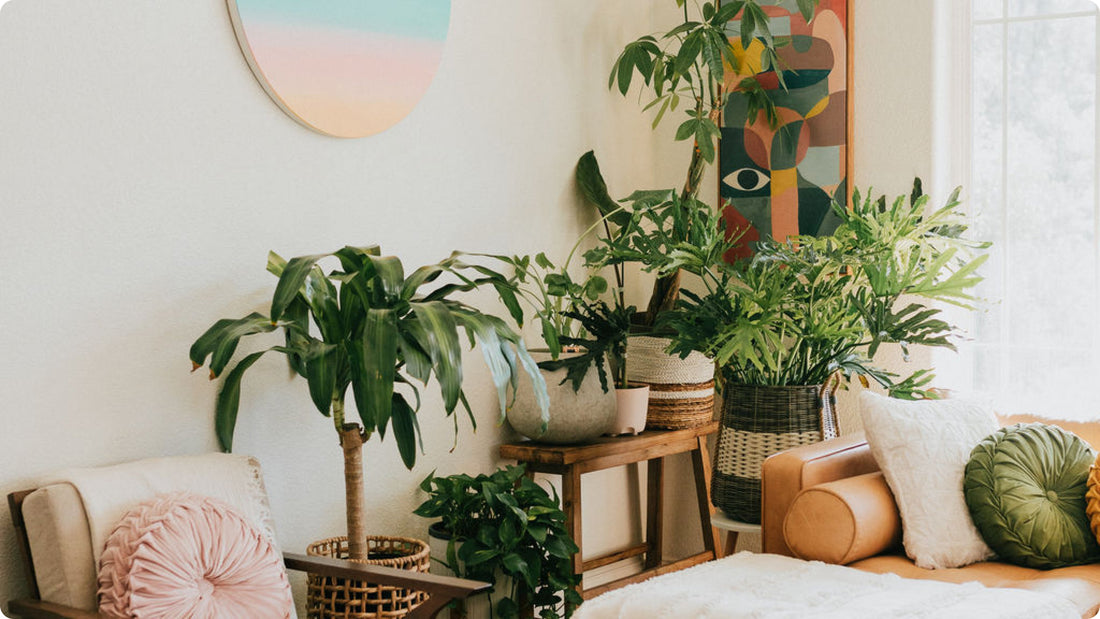
When you're a plant lover with pets, you often find yourself in a bit of a pickle. You want your home to be filled with greenery, but you also want to make sure it's a safe haven for your furry friends. That's where the question of whether Peperomias are pet-friendly comes into play. Let's clear up any confusion and see how these charming plants fit into a pet-friendly household.
In this article, we'll unpack everything you need to know about Peperomias and their compatibility with pets. From understanding potential safety concerns to tips on integrating these plants into your home, we've got you covered. So, let's get started!
Understanding Peperomias
Peperomias are a popular choice among plant people for their variety and ease of care. With over 1,000 species, there's a Peperomia for every taste, from the classic Peperomia obtusifolia with its glossy leaves to the striking Peperomia caperata with its crinkled foliage. These plants are not only visually appealing but also quite forgiving, making them perfect for both seasoned plant parents and beginners.
One of the standout features of Peperomias is their small size and compact growth habit. They rarely exceed 12 inches in height, which makes them perfect for desks, windowsills, or any spot where space is at a premium. Plus, they thrive in indirect light, so you won't need to worry about finding the perfect sunny spot for them.
Interestingly, Peperomias are part of the Piperaceae family, which also includes the black pepper plant. This doesn't mean they produce spice, but they do share a certain resilience, adapting well to varied indoor conditions. Their thick, fleshy leaves store water, meaning they're relatively drought-tolerant, a blessing for those of us who occasionally forget to water our plants!
Are Peperomias Safe for Pets?
Now, the million-dollar question: are Peperomias safe for your pets? The good news is, yes, Peperomias are generally considered non-toxic to both cats and dogs. According to the ASPCA, these plants are safe, which means if your curious kitty or playful pup decides to take a nibble, they shouldn't suffer any ill effects.
That said, while they aren't toxic, it's still essential to discourage pets from munching on them. Eating any plant material can potentially lead to digestive upsets, like vomiting or diarrhea, simply due to the unusual fiber intake. It's always best to keep an eye on your pets and ensure they're not turning your Peperomia into a snack.
Incorporating Peperomias into a home with pets can be a delightful experience. Not only do they add a pop of green to your decor, but they also offer peace of mind for pet parents concerned about plant toxicity. Let's explore some practical ways to keep both your plants and pets happy.
Creating a Pet-Friendly Plant Space
Bringing plants and pets together harmoniously is an art form, but it can be done with a few thoughtful strategies. Start by selecting a variety of non-toxic plants, like Peperomias, and placing them in spots that are less accessible to your pets. Hanging baskets or shelves are great choices for keeping plants out of reach.
For floor plants, consider using plant stands of varying heights. Not only does this add visual interest to your space, but it also helps keep plants away from curious noses. You might also try training your pets with gentle deterrents, like citrus peels, which they tend to dislike, placed around your plant pots.
Another option is to create a designated plant area or "plant corner" where you can place multiple plants together. This can deter pets from approaching, especially if it's an area they don't frequently visit. Remember to rotate your plants occasionally to ensure they all get enough light and to keep your decor fresh.
Basic Care Tips for Peperomias
Peperomias are known for being low-maintenance, but they still need a bit of TLC to thrive. Watering is one of the most critical aspects of their care. Since they store water in their leaves, it's better to err on the side of underwatering. Allow the soil to dry out completely between waterings to prevent root rot.
Lighting also plays a crucial role. While Peperomias can tolerate low light, they prefer bright, indirect light. Too much direct sunlight can scorch their leaves, while too little light can cause leggy growth. If your plant's leaves start drooping or turning yellow, it might be signaling a need for more light.
Regarding soil, Peperomias aren't too picky. A well-draining potting mix is all they need, often a standard mix with added perlite or orchid bark to enhance drainage. Fertilize them sparingly, perhaps once a month during the growing season with a balanced houseplant fertilizer.
Dealing with Common Peperomia Pests
Even easy-care plants like Peperomias aren't immune to pests. The most common culprits are spider mites, mealybugs, and fungus gnats. Fortunately, they're usually not a severe problem if caught early. Regularly inspecting your plants can help you spot any unwelcome visitors before they become a full-blown infestation.
If you do notice pests, there are several natural remedies you can try. A simple solution of water and dish soap can be effective against many pests. Just spray it on the affected areas and gently wipe it off after a few minutes. Neem oil is another good option, acting as both a preventative and a treatment.
For fungus gnats, the issue often stems from overwatering. Allowing the soil to dry out more thoroughly between waterings can help reduce their numbers. You might also consider adding a layer of sand or gravel on top of the soil to deter them from laying eggs.
Incorporating Peperomias into Interior Design
Beyond their pet-friendly nature, Peperomias offer a versatile aesthetic that can enhance any home decor. Their varied leaf shapes and colors can complement different styles, from modern minimalism to bohemian chic. Try mixing Peperomias with other plants of different heights and textures for a dynamic display.
Peperomias are also well-suited for terrariums, where their compact size and humidity tolerance shine. A closed terrarium can create a mini ecosystem, providing a humid environment that Peperomias love. Plus, terrariums can serve as a stunning centerpiece for your coffee table or desk.
Consider using decorative pots or hanging planters to showcase your Peperomias. These not only elevate your plants but also add a personal touch to your decor. Whether you prefer a sleek, modern pot or a rustic, handmade design, there's a planter out there to match your style.
Peperomias and Air Quality
While Peperomias are not the most powerful air purifiers compared to some other houseplants, they do contribute to a healthier indoor environment. Like all plants, they help increase humidity and can absorb certain toxins from the air, making your home a fresher place to be.
Especially in dry climates or during winter months when heating can dry the air, Peperomias can help maintain a more comfortable humidity level. This can be beneficial not just for your plants but for your skin and respiratory health as well.
Even though their air-purifying capabilities might be modest, every little bit helps. Plus, they offer the added benefit of being safe around pets, which makes them a valuable addition to any plant collection aimed at improving indoor air quality.
Expanding Your Peperomia Collection
Once you've fallen for one Peperomia, it's hard to resist adding more to your collection. With so many species and varieties, you can enjoy experimenting with different looks and care requirements. The Peperomia argyreia, or watermelon Peperomia, with its striking leaf pattern, is a favorite for its visual appeal.
Another interesting variety is the Peperomia prostrata, or string of turtles. Its trailing habit and small, turtle-shell-like leaves make it a standout in hanging baskets or cascading over shelves. Each Peperomia brings its unique charm to your home.
Propagation is a fun and rewarding way to expand your collection or share your love of Peperomias with friends. Most Peperomias propagate easily through leaf or stem cuttings. Simply place the cuttings in water or directly in soil, and in a few weeks, you'll have new plants to enjoy.
Final Thoughts
Peperomias are an excellent choice for pet owners who want to enjoy the beauty of houseplants without worrying about their furry friends' safety. Their non-toxic nature, combined with their variety and ease of care, makes them a delightful addition to any home.
At Cafe Planta, we love helping you find the perfect plants for your space. Whether you're looking for a popular favorite or a unique find, our shop offers a wide range of houseplants to suit your taste. If you have any questions or need advice on plant care, feel free to email us or send us a message on Instagram. We're here to support your plant journey and help you create a beautiful, thriving collection that brings joy to your home.

















