
Help! How Do I Revive My Dying Philodendron Black Cardinal?
Cafe Planta Team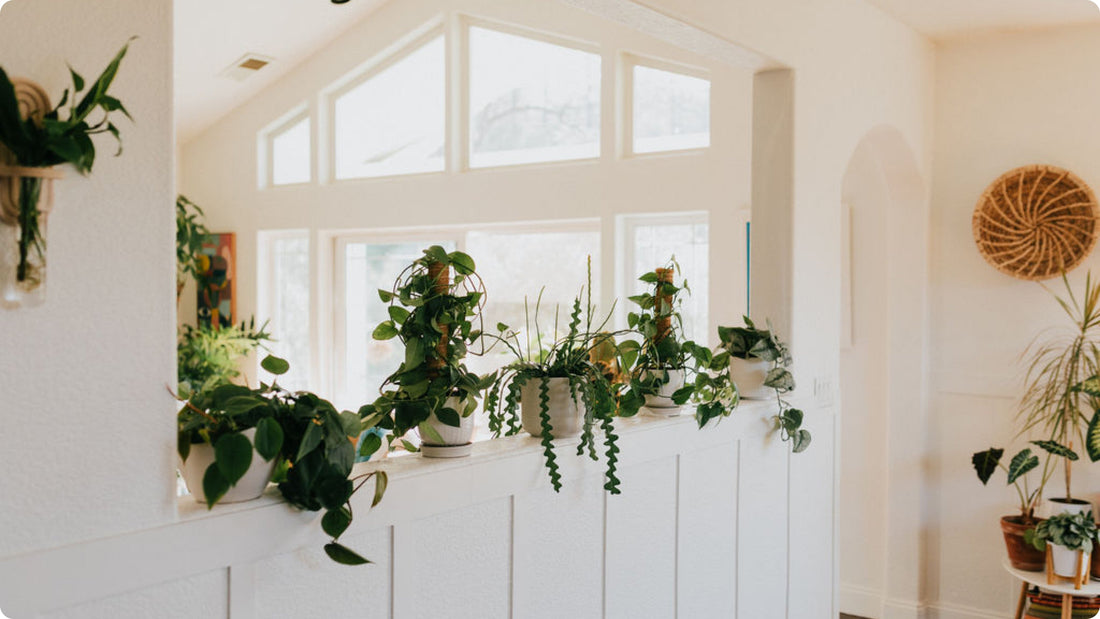
If you've noticed your Philodendron Black Cardinal looking a bit under the weather, you're not alone. This stunning plant with its deep, dark leaves can sometimes give us plant parents a run for our money. But fear not! With a little patience and the right approach, you can bring your beloved plant back to its former glory.
In this article, we'll dive into the various aspects of caring for your Philodendron Black Cardinal, focusing on what might be causing it to droop and how you can help it bounce back. From assessing the environment to tackling pests and diseases, we'll cover everything you need to know to revive your plant.
Understanding the Philodendron Black Cardinal
The Philodendron Black Cardinal is a striking plant known for its dark, glossy leaves that can range in color from deep green to almost black. It's a popular choice among plant lovers for its unique appearance and relatively easy care. However, like many plants, it has its specific needs and preferences.
First, let's talk about its natural habitat. This plant hails from the tropical regions of South America, where it enjoys warm temperatures and high humidity. In your home, it thrives in bright, indirect light and appreciates a warm, humid environment. Understanding where your plant comes from can give you clues about how to care for it.
Knowing the basics about your Philodendron Black Cardinal makes it easier to spot when something is amiss. The leaves might start to yellow, brown, or droop if the plant is stressed. Identifying the cause early on can make all the difference in your revival efforts.
Assessing the Environment
Before diving into specific remedies, it's crucial to assess your plant's environment. Start by considering the light, temperature, and humidity levels. The Philodendron Black Cardinal prefers bright, indirect light. Direct sunlight can scorch its leaves, while too little light can lead to leggy growth.
If your plant isn't getting enough light, try moving it closer to a window where it can bask in soft, filtered sunlight. On the flip side, if it's sitting in a sunbeam, consider pulling it back a few feet or adding a sheer curtain to diffuse the light.
Temperature is another important factor. This plant is happiest in temperatures ranging from 65°F to 80°F. Cold drafts from windows or air conditioning can stress the plant, so make sure it's in a stable environment.
Humidity plays a significant role in the plant's health. If your home is on the dry side, especially during winter, consider using a humidifier or placing a pebble tray with water under the plant's pot. Misting the leaves occasionally can also help, but be cautious not to overdo it, as this can lead to fungal issues.
Watering Wisely
Watering is a balancing act for many plant parents, and the Philodendron Black Cardinal is no exception. Overwatering is a common culprit for many plant woes, so it's essential to get it right.
To determine if your plant needs water, check the top inch of soil. If it feels dry to the touch, it's time to water. If it's still moist, wait a few more days and check again. When you do water, make sure to water thoroughly until it drains out of the bottom of the pot. This ensures the roots can soak up what they need.
If you've been a little too generous with the watering can, and your plant is showing signs of overwatering (like yellowing leaves or mushy stems), it might be time to let the soil dry out a bit. In severe cases, you may need to repot the plant in fresh soil to give it a fresh start.
Remember, it's always better to underwater slightly than to overwater. This plant can tolerate a bit of drought, but it won't forgive soggy roots.
Checking the Soil
The type of soil your Philodendron Black Cardinal is planted in can significantly affect its health. These plants prefer a well-draining potting mix, often a blend formulated for houseplants or tropical plants. The key is to ensure the soil retains some moisture but doesn't stay soggy.
If you're using a standard potting mix, consider adding some perlite or orchid bark to improve drainage. This will help prevent the roots from sitting in water, which can lead to root rot.
When repotting, choose a pot with drainage holes to allow excess water to escape. If you notice your plant's soil is compacted or not draining well, it's time to refresh the soil and maybe even upgrade to a slightly larger pot.
Repotting is also an opportunity to check the root system. Healthy roots should be white or light tan and firm. If you spot any mushy or dark roots, trim them away with sterilized scissors to prevent the spread of rot.
Dealing with Pests
Pests can be a real headache for plant parents. Common offenders for the Philodendron Black Cardinal include spider mites, aphids, and mealybugs. These pests can sap the plant's vitality, causing leaves to yellow or wilt.
If you suspect pests, inspect your plant carefully. Look for tiny webs (a sign of spider mites), clusters of small insects (aphids), or fuzzy white blobs (mealybugs). Catching these early can save your plant a lot of stress.
To treat an infestation, start by isolating the affected plant to prevent the pests from spreading. Then, spray the plant with a mixture of water and insecticidal soap. You can also use neem oil as a natural pesticide. Be sure to cover both the tops and bottoms of the leaves, as well as the stems.
Repeat the treatment every week until you're sure the pests are gone. For a more hands-on approach, you can also use a cotton swab dipped in alcohol to remove visible pests. Regularly checking your plants for signs of pests is a good preventive measure to keep them healthy.
Managing Diseases
Diseases can be another challenge when caring for plants. The Philodendron Black Cardinal can be susceptible to bacterial and fungal infections, especially if the conditions are too damp.
Common signs of disease include brown spots on the leaves, a musty smell from the soil, or wilting despite proper care. If you notice any of these, it might be time to take action.
First, remove any affected leaves to prevent the disease from spreading. Make sure to use clean, sterilized scissors or pruners. Improving air circulation around the plant can also help, so consider spacing your plants out a bit more if they're crowded.
If you're dealing with a fungal issue, a fungicide might be necessary. Follow the instructions on the product carefully, and apply it in a well-ventilated area. Always wear gloves and wash your hands afterward to avoid skin irritation.
Preventing diseases is often about maintaining balance. Keep the plant's environment stable, avoid overwatering, and ensure good airflow to reduce the risk of infections.
Nourishing Your Plant
Fertilizing your Philodendron Black Cardinal can give it the nutrients it needs to grow strong and healthy. However, like with water, too much of a good thing can be harmful. It's important to feed your plant appropriately.
During the growing season (spring and summer), you can fertilize your plant once a month with a balanced, water-soluble fertilizer. Dilute it to half the recommended strength to avoid overfeeding, as this can burn the roots and damage the plant.
In the fall and winter, when the plant's growth slows down, you can cut back on fertilizing or stop it altogether. The plant won't need as much nutrition when it's not actively growing.
If you notice the leaves are pale or the plant is not growing as expected, it might be time to reassess your fertilizing routine. Just remember, it's easier to add more fertilizer later than it is to correct over-fertilization.
Pruning and Maintenance
Regular pruning can help keep your Philodendron Black Cardinal in top shape. Not only does it encourage healthy growth, but it also helps you spot any issues early on.
Use clean, sharp scissors or pruning shears to trim away any dead or yellowing leaves. This not only improves the plant's appearance but also prevents it from wasting energy on damaged parts.
Pruning can also help shape the plant and control its size. If your plant is getting a bit unruly, trim back the longer stems to maintain a more compact form. Be careful not to remove more than a third of the plant at a time, as this can stress it out.
After pruning, give your plant a good once-over to check for pests, diseases, or other issues. This regular maintenance can go a long way in keeping your plant healthy and thriving.
Creating a Plant-Friendly Space
Finally, let's talk about creating a space where your Philodendron Black Cardinal can really shine. This isn't just about the plant's health—it's also about how your plant fits into your home.
A well-placed plant can transform a room, adding life and color to your space. Consider placing your Philodendron Black Cardinal in a spot where it can receive the right amount of light and where you can enjoy its beauty every day.
Think about the plant's pot, too. A decorative pot that complements your decor can make your plant a focal point in any room. Just ensure that the pot has proper drainage to keep your plant happy.
Grouping your Philodendron with other plants can create a lush, tropical vibe. Just make sure they have similar care requirements to make your plant care routine easier.
Remember, plants can be a reflection of your personal style. Experiment with different arrangements and find what works best for you and your home.
Final Thoughts
Reviving a struggling Philodendron Black Cardinal takes time and patience, but with the right care and attention, your plant can thrive once again. By understanding its needs and adjusting its environment, you'll be well on your way to bringing it back to life.
At Cafe Planta, we're passionate about helping you care for your plants. If you have any questions or need advice, please reach out to us via email or connect with us on Instagram. We believe in the power of plants to bring joy and connection into our lives, and we're here to support you on your plant journey.

















