
Are Philodendron Lickety Splits Pet Friendly?
Cafe Planta Team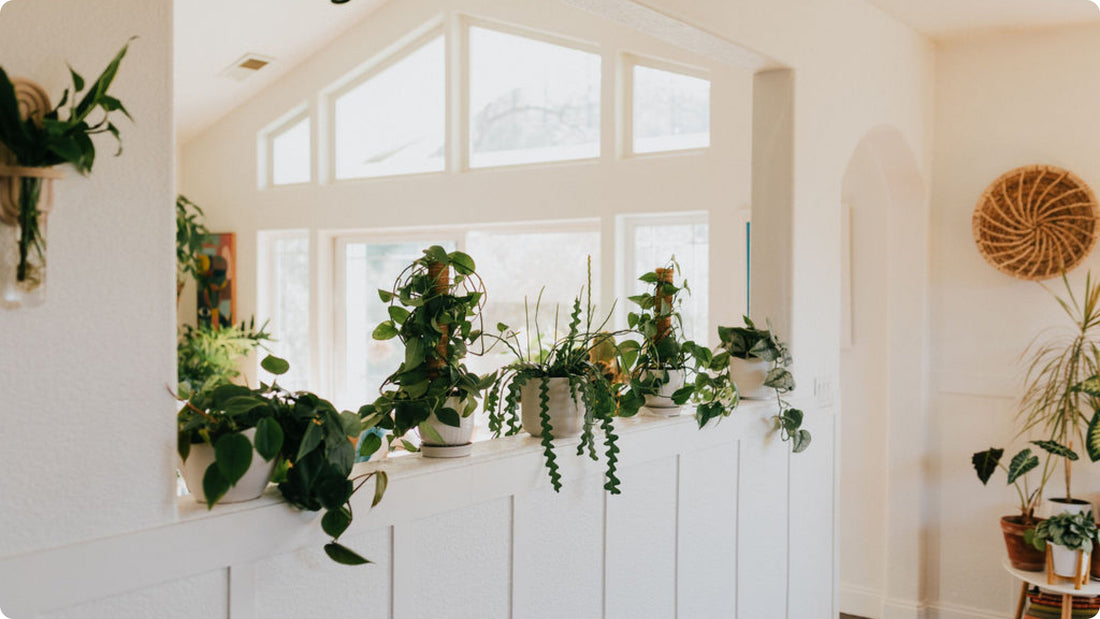
Philodendrons are a favorite among plant lovers for their easy-going nature and striking foliage. The Philodendron Lickety Split, with its unique leaf shape and lush greenery, is no exception. But if you're a pet owner, you might be wondering if this plant is a safe choice for your furry friends.
In this blog post, we'll discuss whether the Philodendron Lickety Split is pet-friendly. We'll also cover how to care for this lovely plant, offer tips on keeping your pets safe, and share ideas on how to incorporate it into your home decor.
Understanding Philodendron Lickety Split
Philodendron Lickety Split is a captivating houseplant known for its deeply lobed, glossy leaves that look like they’ve been meticulously cut with a pair of crafty scissors. This plant is a variety of the Philodendron bipinnatifidum, and it can make an impressive statement in any room. Its vibrant green leaves offer a tropical feel that can brighten up even the dullest corners of your home.
Despite its beauty, the Philodendron Lickety Split is surprisingly low-maintenance, making it a great choice for both seasoned plant parents and beginners. It doesn't demand much attention, thriving in a variety of lighting conditions and requiring minimal watering. But, as is often the case with plants that look too good to be true, there's a catch—this plant isn’t friendly to curious pets.
Is Philodendron Lickety Split Safe for Pets?
Unfortunately, the answer is no. Philodendron Lickety Split is not safe for pets. Like many other Philodendron species, it contains calcium oxalate crystals. These crystals can cause irritation and discomfort if ingested by pets such as cats and dogs.
If your pet chews on the leaves of a Philodendron Lickety Split, they may experience symptoms like drooling, oral swelling, vomiting, and difficulty swallowing. In severe cases, it might even affect their breathing. Therefore, it's important to keep this plant out of reach from your furry companions.
If you suspect your pet has ingested any part of the plant, contact your veterinarian immediately. While it's not usually life-threatening, quick action can help alleviate your pet's discomfort and prevent more serious complications.
How to Keep Pets Safe Around Philodendron Lickety Split
As much as we love our houseplants, our pets’ safety comes first. Here are a few strategies to keep both your pets and your plants happy:
- Placement: Place your Philodendron Lickety Split in areas that are difficult for your pets to access. High shelves, hanging planters, or rooms where pets don't frequent are ideal.
- Training: Train your pets to stay away from plants. Consistent reinforcement can teach them that plants are off-limits. You can use pet deterrent sprays around the base of the plant to discourage chewing.
- Pet-safe Alternatives: Consider adding pet-safe plants to your home that your pets can interact with without any risk. Spider plants, Boston ferns, and Calatheas are a few options that are safe for pets.
- Distraction: Provide your pets with plenty of toys and distractions to keep them occupied and less interested in your houseplants.
Caring for Your Philodendron Lickety Split
While ensuring your plant is safe for pets is crucial, you also want your Philodendron to thrive. The good news is that these plants are relatively easy to care for, but they do have a few preferences:
- Light: Philodendron Lickety Split prefers bright, indirect light. It can tolerate lower light conditions, but this might slow its growth. Avoid direct sunlight, which can scorch the leaves.
- Watering: Allow the top inch of soil to dry out between waterings. Overwatering can lead to root rot, so make sure your pot has good drainage.
- Humidity: This plant loves humidity, so consider misting it occasionally or placing it near a humidifier, especially in drier climates.
- Soil: Use a well-draining potting mix. You can add perlite or orchid bark to improve aeration.
- Fertilizing: Feed your Philodendron with a balanced houseplant fertilizer every month during the growing season (spring and summer).
Dealing with Pests and Fungal Issues
Philodendrons are generally resistant to pests, but they can occasionally fall victim to unwanted visitors such as aphids, spider mites, or mealybugs. Regularly inspecting your plants can help you catch any infestations early.
If you notice any pests, you can try:
- Neem oil: This natural pesticide is effective against a variety of pests. Spray it on the affected areas.
- Insecticidal soap: This is a safe option for treating pests without harming your plant.
- Manual removal: If the infestation is small, you might be able to remove pests manually with a damp cloth.
Fungal issues usually arise from overwatering or poor air circulation. Ensure your plant is in a well-ventilated area and avoid letting water sit on the leaves.
Incorporating Philodendron Lickety Split into Your Home Decor
Now that we’ve covered the basics of keeping your Philodendron Lickety Split healthy and your pets safe, let’s talk about style. This plant’s dramatic foliage can make a bold statement in any room. Here are a few ideas for incorporating it into your home decor:
- Accent Piece: Use it as a centerpiece on a large table or stand it alone on the floor to let its natural beauty shine.
- Grouping: Combine it with other houseplants of varying heights and textures to create an indoor jungle feel.
- Containers: Choose a stylish pot that complements your interior. A ceramic pot in a contrasting color can make the green leaves pop.
- Vertical Space: If floor space is limited, consider a hanging basket or a wall-mounted planter.
Alternatives to Philodendron Lickety Split for Pet Owners
If you're a pet owner and still want to enjoy the beauty of houseplants, consider opting for pet-friendly alternatives. Here are a few suggestions:
- Spider Plant: This is a resilient and pet-safe option that looks great in hanging baskets.
- Boston Fern: With its delicate fronds, the Boston fern can add a touch of elegance to any space and is non-toxic to pets.
- Areca Palm: This palm is safe for pets and can give your home a tropical vibe.
- Calathea: Known for its striking leaf patterns, Calathea is safe for pets and adds a splash of color.
These plants offer similar aesthetic benefits without posing a risk to your pets, making them excellent choices for pet-friendly homes.
Conclusion: Balancing Plant Love and Pet Care
As plant lovers, many of us also share our homes with beloved pets. Balancing the two can sometimes be a challenge, but with a bit of planning and creativity, it’s definitely possible. The key is to be mindful of the plants you choose and where you place them.
Remember, the Philodendron Lickety Split is a beautiful addition to any home, but it’s essential to ensure it doesn’t become a hazard for your pets. With the right care and placement, you can enjoy the lush greenery of your plant while keeping your furry friends safe.
Final Thoughts
We've covered a lot of ground today, from understanding the risks of Philodendron Lickety Split to ensuring your pets' safety and incorporating this stunning plant into your home. Balancing plant care with pet safety doesn't have to be a daunting task, and we hope you found these tips helpful.
At Cafe Planta, we believe in the power of plants to bring joy and connection. Whether you're an experienced plant parent or just beginning your plant journey, we're here to help. Feel free to reach out via email or on Instagram with questions or to share your plant experiences. Let's grow together!

















