
How To Grow Philodendron Moonlights With Hydroponics
Cafe Planta Team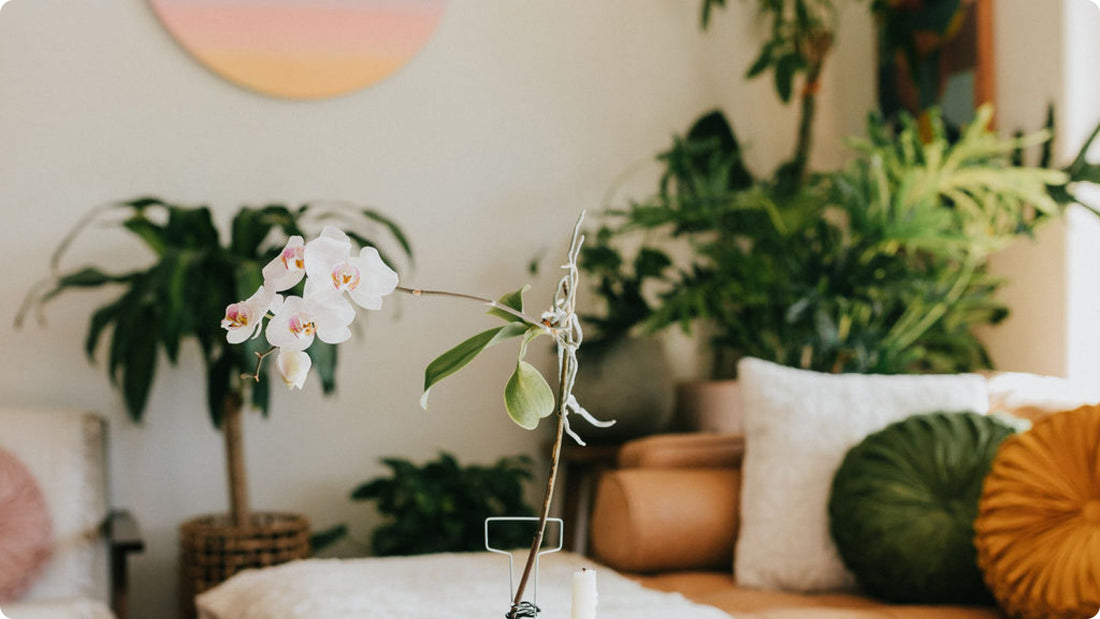
Philodendron Moonlight is a stunning plant with its bright lime-green leaves that can light up any space. If you’re looking to grow this beauty using hydroponics, you’re in for a treat. Hydroponics is a soil-free way of growing plants that can be incredibly rewarding and surprisingly straightforward once you get the hang of it.
In this blog post, we’ll explore everything you need to know about growing Philodendron Moonlight with hydroponics. From setting up your system to keeping your plant healthy and vibrant, I’ll guide you through the basics and beyond. Whether you're new to hydroponics or just looking to add a splash of greenery to your setup, there’s something here for you.
Understanding Hydroponics: A Quick Overview
Before we jump into the specifics of growing Philodendron Moonlight hydroponically, it’s helpful to have a basic understanding of what hydroponics actually is. Simply put, it’s a method of growing plants without soil. Instead, plants are grown in a nutrient-rich water solution, which can often lead to faster growth and more control over plant health.
Why choose hydroponics? For starters, it can be a cleaner option than traditional soil-based growing. There’s no mess from soil, and it can be easier to manage pests and diseases. Plus, with the right setup, you can grow plants indoors year-round, regardless of the weather outside. It's like giving your plants a spa day every day!
The basic components of a hydroponic system include a reservoir for the nutrient solution, a grow tray or net pots to hold the plants, and a light source if you're growing indoors. The nutrient solution provides everything your Philodendron Moonlight needs, from nitrogen and phosphorus to essential micronutrients.
Setting Up Your Hydroponic System
Setting up your hydroponic system might feel a bit like assembling a piece of IKEA furniture, but don’t worry, it’s easier than it looks. You’ll need a few essentials to get started:
- Reservoir: This holds your nutrient solution. You can use anything from a simple plastic tub to a more elaborate hydroponic tank.
- Grow Tray or Net Pots: These hold your plants in place. Net pots are great because they allow the roots to dangle into the nutrient solution.
- Growing Medium: While hydroponics doesn’t use soil, you’ll need a medium like clay pebbles or coconut coir to support the plants.
- Air Pump and Air Stone: These keep the nutrient solution aerated, ensuring your plant roots get enough oxygen.
- Nutrient Solution: This is the lifeline of your plants, providing all the essential nutrients they need.
- Light Source: If you’re growing indoors, a full-spectrum LED grow light will mimic sunlight.
Once you've gathered your materials, it's time to assemble. Start by filling the reservoir with water and adding your nutrient solution according to the instructions. Place the grow tray or net pots above the reservoir, ensuring the roots can reach the solution. Finally, set up your air pump and air stone in the reservoir to keep the water oxygenated.
Selecting the Right Nutrients
Your Philodendron Moonlight will thrive on the right balance of nutrients. Hydroponic nutrient solutions are available in liquid or powdered form, and it’s crucial to choose one that’s suited for leafy greens or houseplants. These solutions typically contain a balanced mix of macronutrients like nitrogen, phosphorus, and potassium, along with essential micronutrients such as calcium, magnesium, and iron.
It’s important to follow the manufacturer’s instructions when mixing your nutrient solution to avoid overfeeding or underfeeding your plants. Too much of a good thing can lead to nutrient burn, while too little can stunt growth or cause deficiencies.
Keep an eye on the pH levels of your nutrient solution as well. Philodendron Moonlight prefers a slightly acidic to neutral pH range, around 5.5 to 6.5. You can easily monitor and adjust the pH using a pH meter or pH test strips, along with pH up or down solutions available from garden centers.
Lighting and Temperature Considerations
Light and temperature are critical factors in hydroponic gardening. Philodendron Moonlight loves bright, indirect light. If you’re growing indoors, a full-spectrum LED grow light can provide the necessary light intensity without the risk of scorching the leaves. Aim for about 12 to 14 hours of light per day.
Temperature-wise, keep your grow area between 65°F and 80°F (18°C to 27°C). This range mimics the tropical conditions that Philodendrons naturally thrive in. Avoid placing your plants too close to heaters or air conditioners, as sudden temperature changes can stress them out.
If you're using grow lights, they can also contribute some heat, which can be a bonus in cooler environments. Just be sure to monitor the temperature to keep it within the ideal range. Remember, plants are a bit like Goldilocks—they like things just right!
Monitoring and Adjusting pH and EC Levels
When it comes to hydroponics, maintaining the right pH and electrical conductivity (EC) levels is crucial. The pH level affects how well your plant can absorb nutrients. For Philodendron Moonlight, keep the pH between 5.5 and 6.5, as mentioned earlier.
EC levels measure the concentration of nutrients in your solution. A higher EC means a higher concentration of nutrients. For Philodendron Moonlight, aim for an EC range of 1.5 to 2.0. You can measure EC with an EC meter, which is a handy tool for any hydroponic grower.
Regularly check these levels, ideally once a week, and adjust as necessary. If the pH is off, use pH up or down solutions to bring it back to the desired range. If the EC is too low, you might need to add more nutrients. If it’s too high, dilute the solution with water.
Watering and Maintaining Your System
One of the beauties of hydroponics is that it takes the guesswork out of watering. Your Philodendron Moonlight's roots will have constant access to water and nutrients, so you won’t have to worry about over or under-watering.
However, you’ll need to maintain your system to keep it running smoothly. Check the water level in your reservoir regularly and top it up as needed. Plants can drink a surprising amount of water, especially in warmer conditions.
It’s also a good idea to change the nutrient solution every two to three weeks. This prevents the buildup of salts and ensures your plants have access to fresh nutrients. When changing the solution, take the opportunity to clean the reservoir, air stone, and any other components to keep things hygienic.
Troubleshooting Common Problems
Even with the best setup, things don’t always go according to plan. Here are some common issues and how to fix them:
- Yellowing Leaves: This could indicate a nutrient deficiency, often nitrogen. Check your nutrient solution's balance and adjust as necessary.
- Root Rot: If your roots look brown and mushy, they might not be getting enough oxygen. Ensure your air pump and stone are functioning correctly, and consider increasing aeration.
- Stunted Growth: This could be due to incorrect pH or EC levels. Double-check these and make adjustments to bring them back into the optimal range.
Remember, like any hobby, hydroponics involves a bit of trial and error. Don’t be discouraged by setbacks. Each issue is an opportunity to learn and improve your setup.
Pruning and Propagation Tips
Pruning is an important part of keeping your Philodendron Moonlight happy and healthy. Regularly remove any dead or yellowing leaves to prevent disease and encourage new growth. Use clean, sharp scissors or pruning shears to make clean cuts, which help the plant heal quickly.
If your plant is thriving and you want more of them, propagation is easy. Simply cut a healthy stem with at least one node (where the leaves join the stem) and place it in a separate hydroponic system or in water. It should develop roots in a few weeks, and voilà – you have a new plant!
Propagation is also a great way to share plants with friends. Who doesn’t love a plant gift? Plus, it’s a wonderful way to expand your collection without spending a dime.
Integrating Philodendron Moonlight into Your Decor
Philodendron Moonlight isn't just a plant—it's a design element. Its vibrant color can complement a variety of interior styles, from modern and minimalist to boho and eclectic.
Consider placing your plant in a spot where its striking leaves can pop, like against a darker wall or alongside more muted decor. Hanging planters or wall mounts can also showcase your Philodendron Moonlight at eye level, adding a bit of drama and interest to your space.
By experimenting with different containers and arrangements, you can create a unique look that reflects your personal style. Plants are more than just decoration—they're part of your home’s personality.
Final Thoughts
Growing a Philodendron Moonlight with hydroponics can be a fun and fulfilling journey. From setting up your system to caring for your plant, each step adds up to a rewarding experience. Remember to balance the pH and nutrient levels, provide adequate light, and keep an eye out for any signs of trouble. With a little patience and dedication, you'll have a thriving Philodendron Moonlight in no time.
At Cafe Planta, we believe that plants have the power to bring people together and inspire us to connect with nature. Whether you're looking for new plants to add to your collection or need some plant care tips, we’re here to help. Feel free to email us or reach out on Instagram. Let’s grow together!

















